The axolotl itself cost $30–$80. The vet visit when something goes wrong? Closer to $150 — and that’s if you can even find someone who treats aquatic salamanders.
Axolotls have become one of the most sought-after exotic pets in the US. Google Trends data shows a fourfold increase in axolotl-related searches over the past five years, and the APPA’s exotic pet tracking confirms strong growth in aquatic and amphibian pet ownership. The problem: the veterinary infrastructure hasn’t kept up. Finding a vet who actually treats axolotls is harder than keeping one alive — and the costs are higher than most new owners expect.
The Exotic Vet Problem
This is the first challenge you’ll face: not every vet sees axolotls. Most exotic vets focus on birds, reptiles, small mammals (ferrets, rabbits, chinchillas). Aquatic species require additional training in water chemistry, amphibian physiology, and appropriate handling.
When you call to make an appointment, ask specifically: “Do you have experience treating aquatic amphibians or axolotls?” Don’t assume that “we see exotic pets” means they’re comfortable with your axolotl.
Where to find them:
- University veterinary schools often have exotic animal departments with aquatic species experience
- Exotic vet directories: the Association of Reptilian and Amphibian Veterinarians (ARAV) has a vet finder
- Aquatic veterinary practices: some practices specialize in fish and aquatic species — they’re excellent for axolotls
- Telehealth exotic vets: for non-urgent questions and water quality guidance, virtual consultations ($40–$100) are increasingly available
What Axolotl Vet Visits Cost
| Service | Typical Cost | Notes |
|---|---|---|
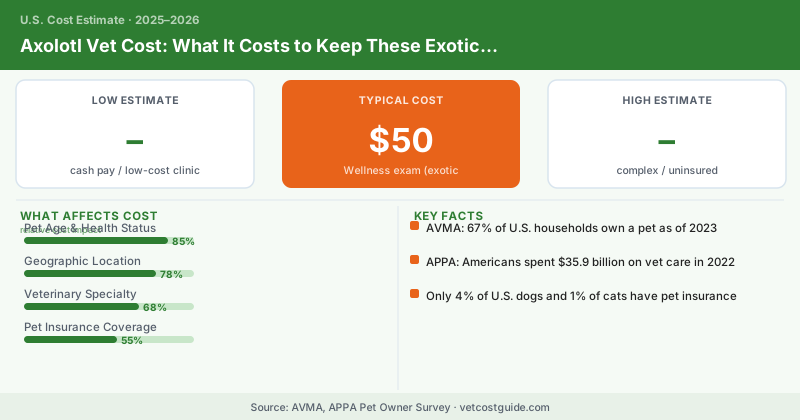
| Wellness exam (exotic vet) | $50–$150 | Includes visual assessment; varies by provider |
| Water quality consultation | $40–$100 | Often combined with exam or via telehealth |
| Bacterial infection treatment | $75–$200 | Antibiotics (enrofloxacin, metronidazole) + exam |
| Fungal infection treatment | $60–$150 | Salt bath protocols + antifungals if severe |
| Fecal exam | $30–$60 | Rules out parasites |
| Bloodwork (basic panel) | $100–$200 | Rarely needed; reserved for serious illness |
| Prolapse (cloaca/bowel) | $150–$400 | Requires sedation and manual reduction or surgery |
| Impaction surgery | $300–$800 | Uncommon but high-stakes when it occurs |
| Telehealth consultation | $40–$100 | Non-emergency questions; increasingly available |
Most Common Health Problems and What They Cost
Fungal Infections (Saprolegnia)
White, fluffy growths on the skin, gills, or limbs. This is by far the most common axolotl health complaint. It’s almost always triggered by poor water quality — high ammonia, inadequate cycling, or water temperatures above 72°F.
First response: Before calling a vet, try a refrigerated water change (get tank temp to 60–65°F) and a salt bath (non-iodized salt, 1–3 tsp per gallon for 10–15 minutes). Many mild fungal cases resolve within 48–72 hours with proper water management.
When to call a vet: If the infection spreads to the gills, involves open sores, or doesn’t respond after 3–5 days of salt bath treatment.
Vet treatment: antifungal medications (methylene blue, tea tree oil-based treatments under vet guidance) plus diagnostics. Cost: $75–$200 including exam.
Bacterial Infections
Red sores, skin ulcerations, or lethargy with unusual posture. Often follows an injury, fungal infection, or prolonged poor water quality.
Treatment involves antibiotics — enrofloxacin is commonly used at an exotic-vet-calculated dose for amphibians. Tetracycline is also used. These require vet prescriptions. Treatment course: 5–14 days. Total cost: $100–$250.
Impaction (Substrate Ingestion)
Axolotls will swallow gravel, sand, and substrate. Coarse gravel is the main culprit — this is why serious hobbyists use bare-bottom tanks or very fine sand (grain size under 1mm).
Signs: bloating, loss of appetite, floating at the surface, constipation. Mild impaction sometimes resolves with temperature reduction (helps gut motility) and feeding live blackworms or daphnia.
Surgical impaction: rare but expensive. When conservative management fails, surgical removal under anesthesia costs $300–$800. Avoid coarse substrate — this is entirely preventable.
Most axolotl health problems trace back to water quality. Before any vet call, test your water: ammonia should be 0 ppm, nitrite 0 ppm, nitrate below 20 ppm, pH 7.0–8.0, temperature 60–68°F. A $15 liquid test kit will catch the cause of most problems before you spend $150 at an exotic vet. Keep a log — water chemistry patterns are diagnostic.
Prolapse
Protrusion of the cloaca, bowel, or hemipenes (in males). This requires veterinary attention — manual reduction under sedation and sometimes suturing. Emergency presentation.
Cost: $150–$400 depending on severity and whether sedation is needed. Don’t attempt manual reduction at home.
Telehealth as a Cost-Saving Option
For non-urgent conditions — mild gill fungus, appetite changes, behavioral questions — exotic animal telehealth services are genuinely useful and significantly cheaper than an in-person visit.
Services like VetNOW, PetCoach (PetSmart), or veterinarians who offer aquatic telehealth can review photos/videos of your axolotl and make management recommendations. Typical cost: $40–$100 per consultation.
This doesn’t replace an in-person exam for serious conditions, but for initial assessment and water quality troubleshooting, it’s a reasonable first step.
If your axolotl is floating upside down, has a severely bloated abdomen, shows extensive skin sloughing, or has a visible prolapse, this is a veterinary emergency. Don’t attempt home treatment first — call an exotic vet or emergency exotic clinic immediately. Delay significantly worsens outcomes for acute conditions.
Building Your Axolotl Emergency Fund
Pet insurance for axolotls is essentially unavailable through mainstream providers. Nationwide’s avian and exotic policy is the closest option, but coverage terms for aquatic amphibians vary and should be verified before purchase.
The practical approach: self-insure. Keep $300–$500 in a dedicated pet emergency fund before you bring your axolotl home. Most issues cost under $200 to treat. Surgical emergencies are rare but can run $400–$800 — having the funds available means you won’t face an impossible decision if your axolotl needs urgent care.
Annual Ownership Cost Estimate
Beyond veterinary care, realistic annual ownership costs:
- Water quality testing supplies and treatments: $30–$80/year
- Live or frozen food (bloodworms, daphnia, earthworms): $100–$200/year
- Equipment maintenance (filter media, heater): $30–$60/year
- Routine vet wellness exam: $75–$150/year (if doing annual check-ins)
Total annual cost (excluding unexpected illness): approximately $235–$490/year. Budget an additional $200–$500 as an emergency reserve for health issues.
Axolotls are remarkable animals — genuinely personable, fascinating to watch, and long-lived (10–15 years in captivity with good care). The vet costs are manageable if you find the right exotic vet and stay ahead of water quality issues. The key investment isn’t veterinary — it’s the $20 liquid test kit you use every week.
Frequently Asked Questions
An axolotl wellness exam at an exotic vet typically costs $50–$150. If diagnostics (water quality testing, fecal, bloodwork) are included, the visit can run $100–$250. Emergency visits for conditions like prolapse or severe infection cost $150–$400 depending on treatment needed.
Most general practice vets don't have training in aquatic species. You'll need an exotic vet — ideally one who lists fish or amphibians in their specialty. Large-city practices and university veterinary schools are your best bets. Telehealth exotic vets are an increasingly viable option for non-emergency consultations.
Fungal infections (Saprolegnia) are the most common issue and often water-quality-related. Other frequent problems include bacterial infections (red sores, skin ulceration), constipation or impaction from substrate ingestion, metabolic bone disease, and prolapse. Many issues can be resolved with water changes and salt baths before requiring veterinary intervention.
Standard pet insurance plans don't cover axolotls. A small number of exotic pet insurance providers (like Nationwide's avian and exotic policy) may include amphibians — but verify before purchasing. Most axolotl owners self-insure by keeping an emergency fund of $300–$500.