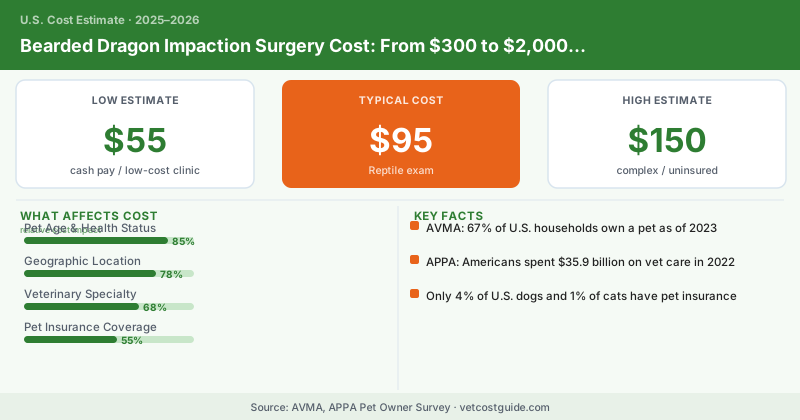
In 2010, a sick bearded dragon was something most vets shrugged at. Today, with reptiles among the fastest-growing pet categories in the U.S., specialized reptile surgery is real, and so is its price. Treating impaction in a beardie ranges from about $150 for a mild medical case to $2,000 for full surgery.
Impaction means your dragon’s gut is blocked, usually by loose substrate it swallowed, undigested insect parts, or food eaten in a too-cold enclosure. The classic signs are no bowel movements, a swollen belly, dragging back legs, and a dragon that just stops eating.
Medical Case vs. Surgical Case
The single biggest cost factor is whether the blockage clears on its own with treatment, or whether it has to come out surgically. Mild impaction often resolves with warm baths, fluids, and a gut-motility medication. A true obstruction that won’t pass means anesthesia and an abdominal surgery, which is where the bill jumps.
| Item | Low | High | Typical |
|---|---|---|---|
| Reptile exam | $55 | $150 | $95 |
| X-rays | $120 | $400 | $240 |
| Fluids + motility meds | $60 | $250 | $140 |
| Enema/manual treatment | $80 | $300 | $160 |
| Surgery (obstruction removal) | $500 | $1,500 | $900 |
| Anesthesia + monitoring | $150 | $400 | $250 |
| Hospitalization (per day) | $60 | $250 | $130 |
A mild case treated medically might total $150 to $500. A dragon needing surgery, anesthesia, and a few days of hospitalized recovery commonly runs $1,200 to $2,000.
Why Reptile Vets Charge More
Finding a vet who’ll even examine a bearded dragon can be a challenge. The Association of Reptilian and Amphibian Veterinarians (ARAV) represents a relatively small group of practitioners nationwide, and reptile surgery requires both specialized anesthesia protocols and the willingness to operate on a cold-blooded patient. That scarcity is why reptile care so often costs more than equivalent work on a dog or cat.
- Bearded dragon impaction treatment runs $150–$2,000 depending on surgery.
- Most mild cases clear with fluids, heat, and motility meds.
- Loose substrate and cold enclosures are the leading causes.
- Proper husbandry prevents the majority of cases entirely.
This One Is Largely Preventable
Here’s the encouraging part: impaction is mostly a husbandry problem, which means it’s mostly avoidable. The two big triggers are loose particulate substrate (sand, walnut shell, loose soil) that gets swallowed, and a basking temperature that’s too low to digest food properly. Fix both and you sharply cut the odds of ever needing this surgery.
A bearded dragon with dragging or paralyzed back legs may have a severe impaction pressing on the spine, this is an emergency. Get to a reptile vet immediately. Delaying surgery in a true obstruction can be fatal.
Lowering the Risk and the Bill
- Switch substrate. Use tile, reptile carpet, or paper towel instead of loose sand for at-risk dragons.
- Check your temps. A proper basking spot (often 95–110°F for adults, per your vet’s guidance) lets food digest before it can impact.
- Catch it early. A mild case treated medically is a fraction of the cost of surgery, so see a vet at the first missed bowel movement plus swelling.
- Plan funding. Exotic pet insurance and CareCredit both help with the surgical end.
For routine cost context, see our bearded dragon vet cost and broader reptile vet care cost guides.
The Bottom Line
Bearded dragon impaction can cost anywhere from $150 to $2,000, and the difference usually comes down to how early you act. Catch it while it’s still a medical case and you’ll spend far less than if it reaches the operating table. Better still, dial in the substrate and temperatures and you may never face this bill at all.
Frequently Asked Questions
Bearded dragon impaction surgery typically costs between $1,000 and $2,000, though less severe cases treated with medication alone run $150 to $400. The final bill depends on your vet's expertise in reptile surgery, whether imaging (X-rays or ultrasound) is needed beforehand, and your geographic location—urban areas with specialized reptile clinics tend to charge more.
Most standard pet insurance plans exclude reptiles entirely, so impaction surgery is typically an out-of-pocket expense with no insurance reimbursement. Some specialty exotic pet insurance providers may offer coverage, but you'll need to confirm reptile surgery is included before enrolling and check for any breed or condition exclusions.
Delaying treatment for impaction can lead to organ damage, sepsis, or death within days, so early intervention is critical. Mild cases may resolve with enemas, increased hydration, warm baths, and prescribed medications like stool softeners ($150–$400 range), but surgery becomes necessary if the blockage is complete or the dragon shows signs of organ failure or tissue necrosis.