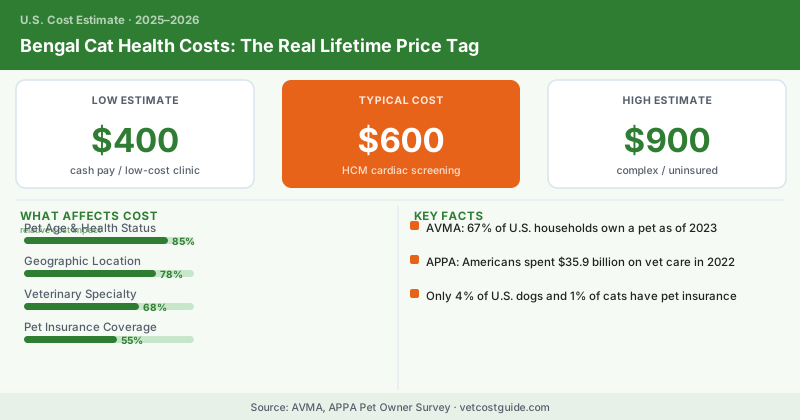
$2,000 to $3,000 just to buy the kitten — that’s the going rate for a quality Bengal, and people pay it gladly for that leopard-spotted coat. What fewer buyers calculate is the second price tag: a lifetime of breed-specific vet care that can run another $8,000 to $14,000.
Bengals are a relatively young breed, developed from crossing domestic cats with the Asian leopard cat. The Cat Fanciers’ Association only granted them championship status in recent decades. That hybrid history left them athletic and intense — and prone to a specific cluster of genetic problems.
What goes wrong, and what it costs
Three issues dominate Bengal health. Hypertrophic cardiomyopathy (HCM) thickens the heart. Progressive retinal atrophy (Bengal PRA-b) slowly blinds them and is testable by DNA. And pyruvate kinase deficiency (PK-Def) causes anemia — also DNA-testable. On top of the genetics, Bengals are famous for sensitive stomachs and chronic diarrhea.
| Condition | Low | High | Typical |
|---|---|---|---|
| HCM cardiac screening | $400 | $900 | $600 |
| HCM lifetime treatment | $1500 | $6000 | $3000 |
| PRA-b / PK-Def DNA panel | $60 | $150 | $100 |
| Chronic GI/diarrhea workup | $500 | $2500 | $1200 |
| Patellar luxation surgery | $1200 | $3500 | $2200 |
| Routine care (lifetime) | $3500 | $7000 | $5000 |
That heart number should look familiar — HCM is the same costly road described in our heart-disease guidance, and managing it means recheck echos plus daily meds for years.
The gut problem nobody warns you about
Bengals have notoriously touchy digestive systems. Many deal with chronic loose stool, food intolerances, or inflammatory bowel disease. Diagnosing it isn’t cheap — you’re often looking at bloodwork, fecal panels, diet trials, and sometimes ultrasound or biopsy. Once you find a food that works, you stick with it religiously.
They’re also prone to patellar luxation (slipping kneecaps), thanks to all that jumping and climbing. Mild cases manage fine; severe ones need surgery.
- Beyond the high purchase price, budget $8,000–$14,000 in lifetime vet care.
- HCM, PRA-b, and PK-Def are all DNA-testable — demand parent test results.
- Chronic GI issues are common and can mean expensive diagnostics and prescription diets.
- Start insurance before any condition appears; Bengals are flagged as higher-risk.
How to avoid the worst bills
The single best money move happens before you buy: only work with breeders who DNA-test for HCM, PRA-b, and PK-Def and show you clean results for both parents. A few of those tests cost the breeder under $200 total and can save you thousands in heartbreak and bills.
After purchase, insurance is the play. Bengals carry enough genetic risk that a single HCM diagnosis can justify years of premiums. Compare plans through pet insurance how it works and lock it in early — read is pet insurance worth it if you’re on the fence.
A “bargain” Bengal from a breeder with no DNA testing is the most expensive cat you’ll ever buy. Untested lines pass on HCM, blindness, and anemia. Pay more upfront for tested parents, or expect to pay it later at the specialist.
The yearly grind
Plan on annual exams (average vet visit cost), cat vaccination cost, and consistent dental care. Spay or neuter early — cat neuter cost is far cheaper than the behavioral and health problems intact Bengals develop.
The energy bills you didn’t plan for
A Bengal isn’t a cat that lounges. They climb, leap, and get into things, which means a higher rate of accidental injuries than a couch-potato breed — falls, swallowed objects, scrapes from acrobatics gone wrong. A swallowed hair tie or a string can mean emergency surgery running into the thousands, and Bengals are exactly the curious, mouthy cats that do it. Cat-proofing your home is genuinely a cost-control measure.
Their intelligence also drives behavioral needs. A under-stimulated Bengal can develop stress-linked urinary issues or destructive habits that lead to vet visits. Vertical space, puzzle feeders, and daily play aren’t luxuries for this breed — they’re cheaper than the conditions boredom produces.
Keep a funding plan ready for the GI flare or the heart scare. A CareCredit for vet bills account costs nothing to set up and gives you breathing room when a Bengal’s dramatic system throws you a curveball. These cats are spectacular — just budget like the wild thing in your house is also a high-maintenance one.
Frequently Asked Questions
A quality Bengal kitten typically costs $2,000 to $3,000 from a reputable breeder. This initial purchase price is separate from lifetime veterinary care costs, which can add another $8,000 to $14,000 over the cat's life.
Most pet insurance plans cover Bengal cats, but many exclude or charge higher premiums for breed-specific conditions like heart disease and progressive retinal atrophy. You should expect out-of-pocket costs of $1,500 to $3,000 annually for preventive screenings and treatment of common Bengal health issues even with coverage.
Vets recommend initial cardiac and ophthalmologic screening between 8 weeks and 6 months of age, with follow-up exams every 1 to 2 years throughout the cat's life. These preventive screenings typically cost $300 to $600 per visit and can catch hereditary conditions early before they become expensive to treat.