Your cockatiel has been sitting on the bottom of the cage for two days. You call your regular vet — sorry, they don’t do birds. You call the “exotic” clinic across town and the next available appointment is three weeks out. Welcome to avian veterinary care in America.
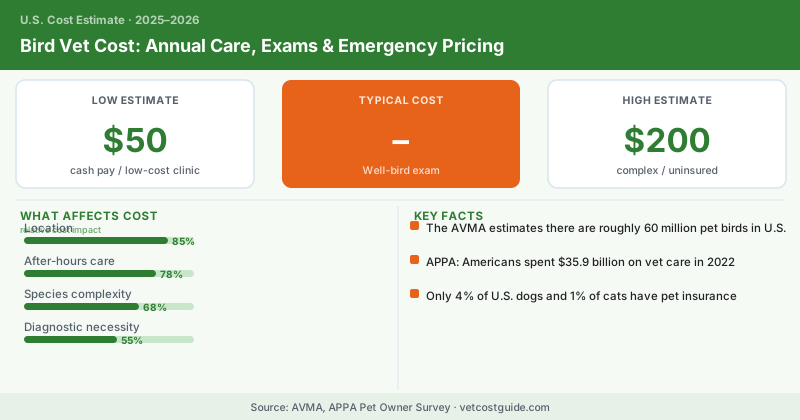
The AVMA estimates there are roughly 60 million pet birds in U.S. households, but most never see a vet — not because owners don’t care, but because the system makes it genuinely hard to navigate. Bird vet costs run higher than most people expect, qualified specialists are thin on the ground, and a bird that “seems fine” can be hiding serious illness for weeks. Here’s the real breakdown.
- A well-bird exam at an avian vet costs $50–$200 depending on species size and location.
- Annual care including bloodwork, nail/beak trim, and fecal testing runs $200–$600+.
- Emergency avian vet visits cost $500–$2,000 — often more than dog or cat emergencies because avian specialists charge a premium.
- Parakeets and cockatiels are the least expensive to maintain. African grey parrots, macaws, and cockatoos carry significantly higher ongoing costs.
Well-Bird Exam & Routine Care Costs
Birds aren’t on vaccine schedules the way dogs and cats are. Their annual care costs center on a physical exam, basic diagnostics, and grooming — but here’s the thing that trips people up: you need an avian-certified vet, or at minimum someone with documented exotic animal experience. A general-practice vet who sees maybe three birds a year will miss illness signs that an avian specialist catches during a two-minute hands-on exam. That’s not a knock on general practice vets — it’s just what specialization does.
| Service | Low End | High End | Notes |
|---|---|---|---|
| Well-bird exam | $50 | $200 | Higher for large parrots/specialty clinics |
| Annual bloodwork (CBC + chemistry) | $100 | $300 | Critical — birds hide illness |
| Fecal parasite screen | $30 | $75 | Recommended annually |
| Gram stain (bacterial screen) | $25 | $60 | Checks for bacterial overgrowth |
| Beak trim | $20 | $60 | Varies by species and beak condition |
| Nail trim | $15 | $40 | Often bundled with beak trim |
| Wing clip | $15 | $45 | Optional; frequency varies by owner preference |
| Chlamydiosis (Psittacosis) test | $40 | $90 | Required if bird shows respiratory signs |
| X-rays (1–2 views) | $150 | $400 | For illness diagnosis or annual screening |
Annual bloodwork is where many bird owners push back — until they understand why it matters so much. Birds are prey animals wired by evolution to hide weakness. By the time a bird looks sick, it’s typically been sick for two to three weeks. A blood panel catches organ dysfunction, anemia, and infection before any behavioral changes show up. For a bird, it’s arguably more important than bloodwork is for your dog.
Cost by Species
Two factors drive cost more than anything else: how big the bird is, and how rare the vet is who treats them.
| Species | Annual Care Range | Notes |
|---|---|---|
| Parakeet (budgie) | $150–$300 | Smaller panels; shorter appointments |
| Cockatiel | $175–$350 | Common; most avian vets comfortable |
| Conure | $200–$450 | Active birds; exam can be labor-intensive |
| African Grey Parrot | $300–$650 | Complex diagnostics; psittacosis-prone |
| Cockatoo | $300–$700 | Feather destructive behavior adds cost |
| Macaw | $350–$750 | Large body = larger blood draw, longer exam |
| Lovebird | $150–$300 | Similar to budgie pricing |
| Amazon Parrot | $250–$600 | Hardy but prone to obesity-related issues |
Emergency Avian Vet Costs
This is where the financial shock hits. An avian emergency — respiratory distress, egg binding, heavy metal toxicity, trauma from a fall or another pet — often requires a specialty emergency hospital. Most standard 24-hour ERs don’t have avian-trained staff. The APPA’s 2023–2024 industry data shows pet bird ownership has grown steadily, but the supply of emergency-capable avian facilities hasn’t kept pace.
Egg binding is a life-threatening emergency in female birds and requires immediate veterinary care. A bird straining to lay an egg for more than 24–48 hours needs a vet today — delays can be fatal. Emergency treatment typically runs $400–$1,500 depending on whether medical management works or surgery is needed.
| Emergency Condition | Estimated Cost | What's Included |
|---|---|---|
| Respiratory distress workup | $400–$900 | Exam, x-rays, oxygen support |
| Egg binding (medical management) | $400–$800 | Calcium injection, heat support, monitoring |
| Egg binding (surgery) | $800–$1,500 | Salpingohysterectomy if medical fails |
| Heavy metal toxicity (lead/zinc) | $500–$2,000 | Chelation therapy, supportive care |
| Trauma (cat attack, fall) | $300–$800 | Wound care, antibiotics, pain management |
| Feather cyst removal | $200–$600 | Surgical excision under anesthesia |
| Proventricular Dilatation Disease | $400–$1,200 | Diagnostics, supportive care (no cure) |
Avian Specialist vs. General Vet Pricing
Avian board-certified specialists — those with an ABVP Avian Practice certification — charge 30–50% more than a general vet who occasionally sees birds. A well-bird exam that runs $75 at a general practice may cost $150–$175 at a dedicated avian clinic. The tradeoff is diagnostic accuracy and the ability to catch problems that a less experienced clinician misses entirely.
For routine grooming (nails, beak, wing clips), a general vet or even a bird-knowledgeable groomer can handle it at lower cost. For bloodwork interpretation, illness investigation, or anything surgical, the specialist premium is worth every dollar.
Finding an avian vet: the Association of Avian Veterinarians (AAV) maintains a searchable directory at aav.org. Board-certified avian specialists are listed separately with the ABVP designation.
What Drives Costs Up
- Location: Urban avian specialists in NYC, LA, or Seattle charge 40–70% more than rural general vets who see birds.
- After-hours care: Avian emergency surcharges of $150–$300 are standard.
- Species complexity: A macaw exam is longer and more involved than a parakeet exam — expect to pay accordingly.
- Diagnostic necessity: A bird that isn’t eating needs x-rays and bloodwork. Those add $250–$700 to any visit.
For more on managing unexpected vet bills, see our guide on vet payment plans and CareCredit for vet bills.
Bottom Line
Budget $200–$400/year for a small bird like a cockatiel or parakeet with a basic annual exam and grooming. For a medium or large parrot — African grey, cockatoo, macaw — realistic annual care costs run $400–$750 with bloodwork included. Emergency care can add $500–$2,000 on top of that in a bad year. Pet insurance for exotic birds is limited but available through Nationwide’s avian/exotic plan; see our exotic pet insurance cost guide for details. The cost is real, but birds with annual vet care consistently live longer and present fewer expensive emergencies down the line.
Frequently Asked Questions
A routine well-bird exam typically costs $50–$200, depending on whether you visit a general veterinarian or a specialized exotic animal clinic. Annual preventive care for birds runs $200–$600 or more when you factor in exams, diagnostics, and basic treatments.
Most standard pet insurance plans exclude birds or offer very limited avian coverage, so you'll likely pay 100% out-of-pocket for vet visits. A few specialized exotic pet insurers exist, but coverage is sparse and policies often have high deductibles and low benefit caps.
Emergency visits for sick or injured birds cost $500–$2,000 depending on diagnostics and treatment, and you may face long waits since few clinics handle avian emergencies after hours. Many bird owners struggle to find emergency care at all, making it critical to locate an avian vet before a crisis occurs.