What actually happens once you’re in the exam room with your parrot? Most bird owners have no idea until their first visit — and knowing in advance makes the cost make a lot more sense.
A bird vet visit isn’t a shorter, cheaper version of a dog or cat exam. It’s a different process entirely, built around a species that has evolved specifically to conceal illness. In the wild, a bird that looks sick becomes a target for predators — so pet birds carry that same instinct, performing normalcy right up until they physically can’t anymore. That’s exactly why avian vets structure their exams the way they do, and why the visit costs what it costs.
- Weight check (critical — weight loss is often the first detectable sign of illness)
- Beak, eye, and nares examination
- Feather condition and skin assessment
- Crop palpation and body condition scoring
- Fecal exam (often included or offered as add-on)
- Owner history: eating, vocalization, and activity pattern changes
Full Cost Breakdown
| Component | Low End | High End | Notes |
|---|---|---|---|
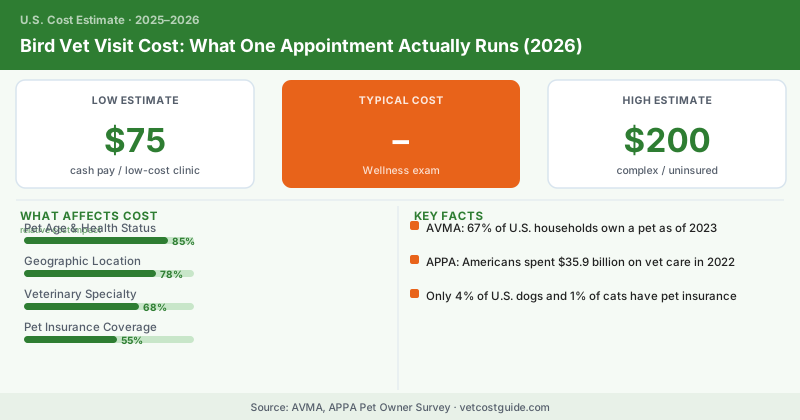
| Wellness exam | $75 | $200 | Base visit cost, species dependent |
| Fecal exam | $25 | $55 | Often bundled or add-on |
| Blood panel (parrots) | $80 | $200 | Recommended annually for larger species |
| Psittacosis testing | $50 | $100 | Zoonotic disease screening |
| Beak/nail trim | $20 | $50 | Routine maintenance |
| Emergency visit (exam + stabilization) | $150 | $400 | Initial emergency workup |
| Hospitalization (per day) | $200 | $500 | Avian intensive care, not all facilities offer this |
Why the Weight Check Matters So Much
Every avian vet visit starts with a weight check, and it’s not a formality — weight loss is frequently the very first measurable sign that something is wrong, appearing before any visible behavioral change. A healthy adult bird’s weight should stay remarkably stable, and even a 5-10% drop can indicate a developing problem. This is exactly why avian vets ask owners to track weight at home between visits using a gram scale, since catching a downward trend early — before the bird looks or acts sick — is one of the few genuine early-warning tools available for a species built to hide illness.
The History-Taking Is Longer Than You’d Expect
Because physical exam findings can lag behind actual illness in birds, a good avian vet spends real time asking about changes at home: Is your bird eating the same amount? Vocalizing normally? As active as usual? Any change in droppings? These questions aren’t small talk — they’re diagnostically meaningful in a species where the physical exam alone often isn’t enough to catch early disease. Come prepared with specific observations rather than a general “seems fine,” since specific detail (exact food intake, timing of any behavior change) genuinely changes what your vet can conclude.
When a Visit Becomes an Emergency
By the time a bird shows obvious signs of illness — fluffed feathers, tail bobbing with breathing, sitting at the bottom of the cage, closed eyes during the day — the underlying condition has often been progressing for days already. This is why avian emergency visits ($150-$400) frequently reveal more advanced disease than the sudden onset would suggest, and why hospitalization or aggressive treatment is often needed immediately rather than a wait-and-see approach.
- Fluffed feathers combined with lethargy or closed eyes during the day
- Tail bobbing with each breath, or open-mouth breathing
- Sitting at the bottom of the cage instead of the usual perch
- Any change in droppings combined with reduced appetite
Finding the Right Vet for the Visit
Not every general practice veterinarian has avian training — birds are anatomically and physiologically distinct from mammals in ways that matter clinically, from air sac respiratory anatomy to unique drug metabolism. The Association of Avian Veterinarians (aav.org) maintains a searchable directory of avian-experienced vets, and for the most complex cases, board-certified avian specialists (Diplomate ABVP, Avian Practice) offer the highest level of expertise, though not every region has one within a reasonable drive.
Making the Visit Worth the Cost
Track your bird’s weight weekly at home with an inexpensive gram scale — this single habit gives your vet genuinely useful data at every visit and can flag a developing problem before obvious symptoms appear. Bring specific notes on eating habits, vocalization, and activity changes rather than general impressions. And budget for an annual wellness visit even when your bird seems perfectly fine — given how effectively birds mask illness, “seems fine” and “is fine” aren’t always the same thing.
Frequently Asked Questions
A typical bird wellness visit includes weighing the bird, examining the beak, eyes, nares, and feather condition, palpating the crop and body for masses, and often includes a fecal exam and sometimes bloodwork for parrots. Because birds instinctively hide illness, the vet also asks detailed questions about your bird's normal eating, vocalization, and activity patterns to catch subtle changes.
An emergency bird vet visit typically costs $150–$400 for the exam and initial stabilization, with additional costs for diagnostics or hospitalization if needed. Because birds hide illness so effectively, many 'sudden' emergencies are actually advanced presentations of conditions that had been developing for days or weeks.