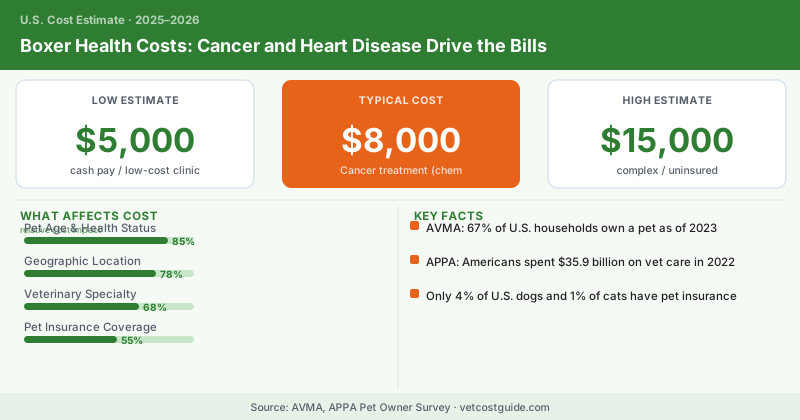
What’s the catch with Boxers? They’re funny, athletic, and endlessly loyal — and they carry two of the heaviest medical risks in dogdom: cancer and a breed-specific heart disease. Boxers are consistently flagged in veterinary literature as one of the most cancer-prone breeds, with a meaningful share of dogs developing tumors during their lifetime. If you own one, the smart move is understanding those risks early.
- Cancer is a leading cause of death — treatment runs $5,000–$15,000+
- Boxer cardiomyopathy (ARVC) is a breed-specific heart disease
- Bloat, hip dysplasia, and degenerative myelopathy add to the bill
- Lifetime spending commonly lands in the $13,000+ range
The Cancer Risk
Boxers are predisposed to mast cell tumors, lymphoma, and brain tumors, among others. Mast cell tumors in particular show up as skin lumps that always deserve a quick check — some are benign, some aggressive, and you can’t tell by looking. Treatment depends on type and stage but can climb fast. Our dog cancer treatment cost guide breaks down chemo, surgery, and radiation pricing.
The practical takeaway: get every new lump on a Boxer aspirated. Early detection genuinely changes outcomes and costs.
The Cost Landscape
| Condition | Low | High | Typical |
|---|---|---|---|
| Cancer treatment (chemo/surgery) | $5000 | $15000 | $8000 |
| Mast cell tumor removal | $500 | $2500 | $1200 |
| ARVC cardiac workup + lifelong meds | $800 | $3500 | $1800 |
| Bloat/GDV emergency surgery | $1500 | $7500 | $4000 |
| Hip dysplasia surgery (per hip) | $1700 | $6000 | $4000 |
| Routine annual care | $400 | $900 | $650 |
A Heart Condition With the Breed’s Name on It
Arrhythmogenic right ventricular cardiomyopathy — usually called Boxer cardiomyopathy or ARVC — causes dangerous heart rhythm abnormalities. It can lead to fainting episodes or, devastatingly, sudden death. Diagnosis often involves a Holter monitor (a 24-hour ECG), and affected dogs need lifelong medication. There’s a genetic test that helps identify at-risk dogs.
If your Boxer ever faints, collapses, or has an episode of sudden weakness, treat it as urgent and mention the breed’s cardiac risk to your vet. Catching ARVC early and starting anti-arrhythmic medication can be lifesaving.
Bloat and Joints
As a deep-chested breed, the Boxer is at real risk for bloat (GDV) — that twisted-stomach emergency that’s fatal without fast surgery. Read dog bloat surgery cost and learn the warning signs, because minutes matter. Some owners elect a preventive gastropexy during spay or neuter to lower the risk. Hip dysplasia and degenerative myelopathy also appear in the breed, adding orthopedic and neurologic costs over a lifetime, and the OFA tracks elevated dysplasia rates in Boxers worth checking before you buy.
Thyroid and Eyes
Hypothyroidism is fairly common in Boxers and, thankfully, one of the cheaper chronic conditions to manage — a daily pill plus periodic bloodwork keeps it in check. Left undiagnosed, though, it drives weight gain, lethargy, and coat problems that owners often mistake for “just getting older.” The breed also gets corneal issues like Boxer ulcerative keratitis, a stubborn, slow-healing corneal erosion that can need a minor procedure to resolve. Neither is catastrophic, but both add to the running tally.
Why Breeding Source Matters
Because so many Boxer problems are heritable — the cardiomyopathy, the cancers, the joints — where you get the dog genuinely shapes its medical future. Responsible breeders screen for ARVC genetics and cardiac function, and they screen hips. It doesn’t eliminate risk, but it meaningfully lowers your odds of an early, expensive diagnosis.
Routine Care Pays Off Double
Because cancer and heart disease are the big threats, regular vet visits — ideally twice a year for adult Boxers — are where early catches happen. Keep vaccinations and dental care current, and don’t skip senior bloodwork. The earlier a problem surfaces, the more affordable and survivable it usually is.
The Insurance Decision
Given the cancer and cardiac profile, Boxers are strong insurance candidates. Premiums reflect the risk, but a single cancer course or cardiac workup can outweigh years of payments. Enroll while your dog is young and healthy — review pet insurance how it works so you understand exclusions before you sign.
Planning for a Boxer’s Lifetime
Boxers typically live 10 to 12 years, and the most expensive diagnoses — cancer and cardiomyopathy — tend to surface in the second half of that span. That timing actually helps you plan: the puppy and young-adult years are relatively affordable, giving you a window to build savings or lock in insurance coverage before the high-cost conditions appear. Owners who use that early runway wisely are far better positioned when a hard diagnosis arrives.
Bottom Line
Boxers love hard and live big, and they ask their owners to be financially and emotionally ready for serious illness. Aspirate every lump, watch the heart, fund the worst case, and enjoy one of the most joyful breeds out there.
Frequently Asked Questions
Cancer treatment for Boxers typically ranges from $3,000 to $8,000+ depending on the type and stage, with chemotherapy alone costing $1,500–$5,000 over several months and surgery ranging from $2,000–$4,000. Diagnostic imaging and biopsies add an additional $500–$1,500 before treatment begins. Given that Boxers have one of the highest cancer rates among dog breeds, budgeting $4,000–$6,000 for treatment is a realistic baseline for owners.
Most pet insurance plans cover cancer and breed-specific heart conditions like Boxer cardiomyopathy if the policy is purchased before diagnosis, with typical reimbursement rates of 70–90% after your deductible. However, many insurers exclude pre-existing conditions or charge higher premiums for known breed risks, and some policies cap annual or lifetime payouts at $10,000–$15,000. Out-of-pocket costs for Boxer owners with insurance are typically 10–30% of total treatment bills, but uninsured owners face the full cost.
Veterinarians recommend annual screening starting at age 6–7 for Boxers, since both cancer and heart disease (Boxer cardiomyopathy) become more common in middle age and beyond. Baseline cardiac ultrasounds and electrocardiograms cost $300–$600 and should be done every 1–2 years once a dog reaches senior years. Early detection through regular screening can catch treatable tumors and heart conditions at less expensive stages, potentially saving thousands in emergency care later.