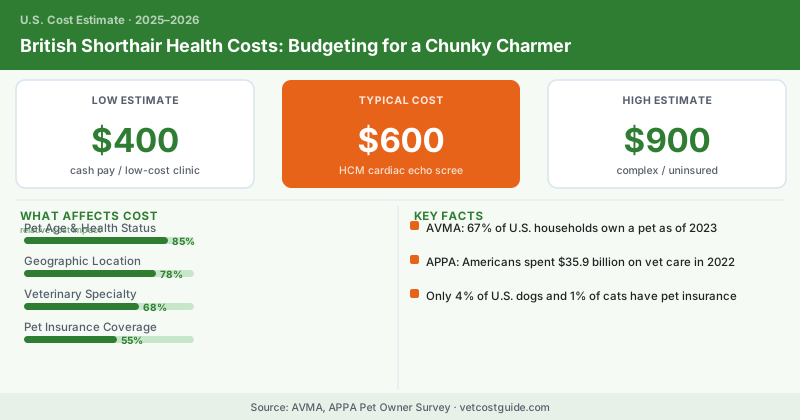
Round face, plush coat, build like a little tank — the British Shorthair looks indestructible. And honestly, they’re one of the hardier pedigreed breeds. But “hardier than a Sphynx” still isn’t “problem-free,” and two inherited conditions can quietly run up bills if you’re not screening for them. Lifetime care lands around $8,000 to $13,000.
British Shorthairs are among the oldest English cat breeds and consistently rank high in registrations on both sides of the Atlantic. They’re calm, independent, and low-drama — which is exactly why owners sometimes skip the screening that catches their two big risks early.
The conditions worth screening for
Two inherited problems matter most. Hypertrophic cardiomyopathy (HCM) — the thickened-heart disease seen across many breeds — appears in British Shorthairs, and breeders should echo-screen for it. Polycystic kidney disease (PKD) also shows up in the line, and it’s DNA-testable. Beyond those, this breed’s biggest practical threat is obesity, because they’re laid-back, food-motivated, and prone to packing on weight.
| Condition | Low | High | Typical |
|---|---|---|---|
| HCM cardiac echo screening | $400 | $900 | $600 |
| HCM lifetime treatment | $1500 | $5500 | $3000 |
| PKD DNA test | $50 | $120 | $80 |
| Kidney disease management | $2000 | $7000 | $4000 |
| Obesity-related diabetes care | $1000 | $4000 | $2000 |
| Dental & routine care (lifetime) | $3500 | $6500 | $5000 |
If PKD progresses, you’re into the long-term territory of our cat kidney disease treatment cost guide — special diets, fluids, and monitoring. And an overweight British Shorthair has elevated odds of developing the kind of feline diabetes detailed in our cat diabetes treatment cost breakdown.
Why weight is the real budget killer
Here’s the thing about this breed: their easygoing nature is a trap. They’d rather lounge than chase a toy, and they love their food. An obese cat faces higher risks of diabetes, joint problems, and heart strain — three of the most expensive chronic conditions a cat can develop. Keeping a British Shorthair lean is the single highest-return investment you can make, and it’s free.
- Lifetime vet care for a British Shorthair runs $8,000–$13,000 — moderate for a pedigreed breed.
- HCM and PKD are the inherited risks; both are screenable, so demand parent test results.
- Obesity is the practical wild card and the gateway to diabetes and joint disease.
- A lean cat is your cheapest insurance policy — but real insurance helps too.
Smart money strategy
Buy from a breeder who echo-screens for HCM and DNA-tests for PKD. Clean parent results dramatically lower your odds of the two priciest scenarios. The PKD test costs the breeder under $100 — there’s no excuse to skip it.
Insurance is worth considering for the HCM and kidney risk, especially if you don’t keep a big emergency fund. Compare pet insurance cost per month and weigh the math in is pet insurance worth it before any condition is on record.
Don’t let a British Shorthair get fat because they’re “supposed to be chunky.” There’s a difference between a stocky build and obesity. An overweight cat is far more likely to develop costly, lifelong diabetes — measure food portions and skip the free-feeding.
The yearly rhythm
Standard care applies: cat vaccination cost and a cat spay cost or neuter as a kitten, annual exams (average vet visit cost), and regular dental cleanings. Add a weight check at every visit — catching creeping pounds early prevents the expensive cascade.
Where the lifetime spend actually goes
For a well-bred, well-managed British Shorthair, the lifetime total skews toward routine care rather than catastrophic events — which is good news. Most of the spend is annual exams, vaccines, and dental cleanings spread across a 12-to-17-year life. The big-ticket items (HCM treatment, kidney management, diabetes care) are risks, not certainties, and a buyer who screens the parents and keeps the cat lean tilts the odds heavily toward the lower end of every range.
That makes the British Shorthair one of the more predictable pedigreed cats to budget for. The trap is complacency: because they look indestructible and rarely complain, owners skip dental cleanings and let weight creep up. Those two lapses — not the exotic genetic diseases — are what turn an average lifetime bill into a high one.
Folded into the typical annual cost of owning a cat, a British Shorthair sits right around average year to year. Screen the parents, keep the cat lean, and this sturdy charmer is one of the more affordable pedigreed breeds to own over a lifetime.
Frequently Asked Questions
HCM screening typically costs $300–$600 per cat and usually includes an echocardiogram performed by a veterinary cardiologist. Early screening before breeding or adoption can prevent thousands in emergency care if the condition goes undetected.
Most pet insurance plans exclude pre-existing conditions and congenital/hereditary disorders like polycystic kidney disease (PKD), meaning kidney-related treatment costs often fall entirely on the owner. You can expect $2,000–$5,000 annually for managing chronic kidney disease with medications, specialized diets, and regular monitoring.
Screening for HCM should ideally occur between 6 months and 1 year of age, and PKD genetic testing can be done as early as 8 weeks via DNA cheek swab ($150–$250). Early screening allows owners to plan for long-term care costs and helps breeders make informed breeding decisions.