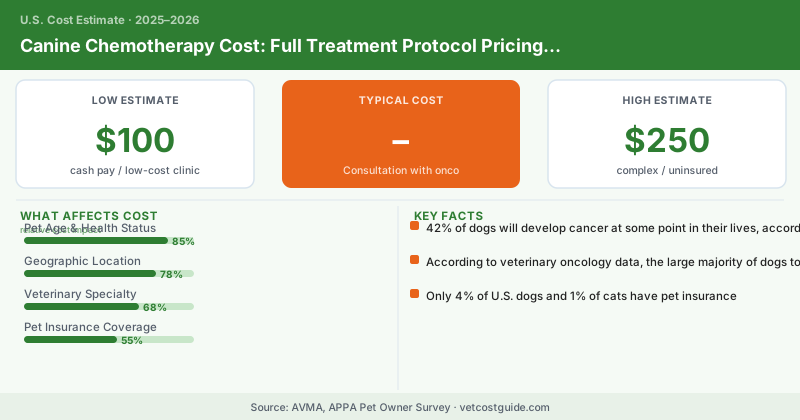
42% of dogs will develop cancer at some point in their lives, according to veterinary oncology estimates — a number that surprises most owners the first time they hear it. If your dog was just diagnosed, chemotherapy is probably on the table as a treatment option, and you need real numbers, not vague reassurance that “it varies.”
Canine chemotherapy costs vary enormously by cancer type, protocol, and how many cycles your dog needs — but most complete protocols land somewhere between $3,000 and $10,000. That’s a wide range, and which end you land on depends heavily on the specific diagnosis.
- Lymphoma (CHOP protocol, full course): $5,000–$10,000
- Lymphoma (single-agent, e.g., prednisone + one drug): $1,500–$4,000
- Mast cell tumor (post-surgery chemo): $3,000–$6,000
- Osteosarcoma (post-amputation chemo): $3,000–$6,000
- Hemangiosarcoma (post-surgery chemo): $2,500–$5,000
- Per-visit cost during an active protocol: $200–$800
Full Cost Breakdown by Cancer Type
| Cancer Type | Protocol | Total Cost Range | Typical Duration |
|---|---|---|---|
| Lymphoma | CHOP (multi-drug) | $5,000 | $10,000 |
| Lymphoma | Single-agent or prednisone-based | $1,500 | $4,000 |
| Mast cell tumor | Post-surgical chemo | $3,000 | $6,000 |
| Osteosarcoma | Post-amputation chemo | $3,000 | $6,000 |
| Hemangiosarcoma | Post-surgery chemo | $2,500 | $5,000 |
| Transitional cell carcinoma | Oral chemo (e.g., Palladia) | $2,000 | $5,000 |
| Multiple myeloma | Oral chemo protocol | $2,000 | $4,500 |
What’s Included in Each Chemotherapy Visit
| Visit Component | Low End | High End | Notes |
|---|---|---|---|
| Consultation with oncologist | $100 | $250 | Initial and periodic recheck visits |
| Bloodwork before each treatment | $60 | $150 | Required to confirm safe blood counts |
| Chemotherapy drug administration | $150 | $600 | Varies enormously by drug used |
| Anti-nausea medication | $20 | $60 | Given proactively, not just as needed |
| Imaging to monitor response (periodic) | $200 | $500 | CT or ultrasound at intervals |
Why Lymphoma Protocols Cost the Most
The CHOP protocol — named for the combination of drugs used (cyclophosphamide, doxorubicin/hydroxydaunorubicin, vincristine/Oncovin, and prednisone) — is considered the gold standard for canine lymphoma and involves weekly or biweekly visits over roughly 16-25 weeks. Each visit requires bloodwork to confirm your dog’s white blood cell count is safe for the next dose, plus the drug administration itself. Doxorubicin in particular is expensive and requires careful IV administration to avoid tissue damage if it leaks outside the vein.
This adds up: 16-25 visits at $200-$500 each is where the $5,000-$10,000 total comes from. Dogs that respond well and complete the full protocol get the best outcomes, but the financial commitment is real and sustained over roughly six months.
Why Some Protocols Are Cheaper
Not every cancer requires the intensive multi-drug approach. Oral chemotherapy drugs like toceranib (Palladia), used for mast cell tumors and some other cancers, are taken at home rather than administered via IV at the clinic, dramatically reducing the number of in-person visits and associated costs. Single-agent protocols for lymphoma — using one drug, often combined with prednisone, instead of the full CHOP combination — cost less upfront but generally provide a shorter remission time, a trade-off your veterinary oncologist will discuss with you based on your dog’s specific situation and your budget.
- Ask for the total protocol cost upfront, not just the per-visit price — a 20-visit protocol adds up fast even at $250/visit
- Ask what percentage of dogs on this specific protocol experience significant side effects requiring hospitalization
- Ask whether a less intensive, lower-cost protocol is a reasonable option given your dog’s specific cancer type and stage
- Ask about the realistic expected remission time and survival benefit for the recommended protocol versus alternatives
Do Dogs Tolerate Chemotherapy Well?
This is the question most owners actually want answered before committing financially and emotionally. Veterinary chemotherapy protocols are deliberately designed with lower relative doses than human protocols, prioritizing quality of life over maximum tumor kill. According to veterinary oncology data, the large majority of dogs tolerate chemotherapy well, with only 5-15% experiencing notable side effects like vomiting, diarrhea, or reduced appetite — and severe reactions requiring hospitalization are uncommon. Most dogs continue normal activities, eating, and playing throughout treatment.
Managing the Financial Commitment
Given the multi-month nature of most protocols, ask the oncology practice about payment plan options at the outset rather than after you’re several visits in — many specialty oncology practices have financing conversations built into their intake process. Pet insurance purchased before a cancer diagnosis typically covers a significant portion of chemotherapy costs; this is one of the strongest arguments for enrolling healthy dogs in comprehensive insurance while you still can, since cancer diagnosed after enrollment is generally covered, but a diagnosis made before you apply will be excluded as pre-existing.
Frequently Asked Questions
A complete chemotherapy protocol for dogs typically costs $3,000–$10,000 depending on the cancer type, the specific drug protocol, and how many treatment cycles are required. Lymphoma protocols using the CHOP combination tend to run toward the higher end due to the number of drugs and visits involved, while single-agent protocols for other cancers can cost less.
No — according to veterinary oncology data, most dogs tolerate chemotherapy far better than human patients because veterinary protocols prioritize quality of life over maximum tumor kill, using lower relative doses. Roughly 5-15% of dogs experience notable side effects like vomiting or reduced appetite, and severe reactions requiring hospitalization are uncommon.