A cat fight looks like a few seconds of hissing and flying fur. What follows — three days later, when you’re finding a swollen, hot lump under your cat’s fur — is an abscess. It’s one of the most common reasons cats end up at the vet, and one of the most expensive “minor” problems when left too long.
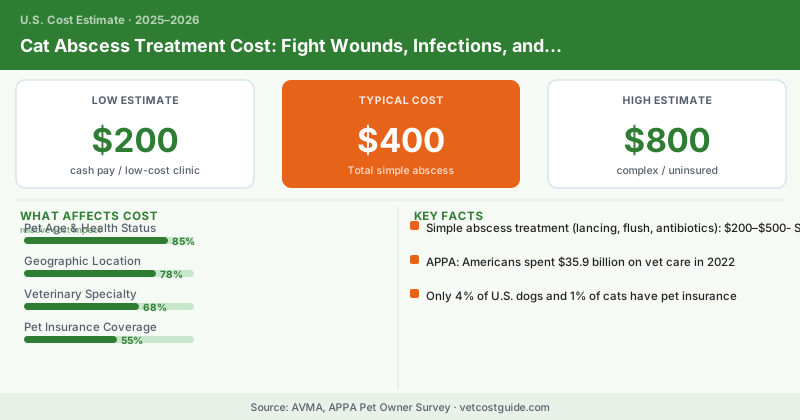
- Simple abscess treatment (lancing, flush, antibiotics): $200–$500
- Severe abscess requiring surgery or hospitalization: $600–$1,500
- Recurring abscesses in intact male cats signal a need for neutering: $200–$500
- AVMA data shows that fight wounds and abscesses account for approximately 8% of all feline emergency visits
- The American Association of Feline Practitioners (AAFP) notes that intact male cats are 3–5x more likely to develop fight-wound abscesses than neutered males
- Abscesses near the head, neck, or chest carry higher risk of spreading to critical structures — these cases cost more
Cat Abscess Treatment Cost Breakdown
| Service | Low | Average | High |
|---|---|---|---|
| Exam + wound assessment | $60 | $100 | $200 |
| Sedation or anesthesia (if needed) | $100 | $200 | $400 |
| Abscess lancing + flush | $80 | $150 | $300 |
| Placement of drain (Penrose) | $100 | $200 | $400 |
| Oral antibiotics (2–3 week course) | $40 | $80 | $150 |
| Pain medication (3–5 days) | $30 | $60 | $100 |
| E-collar | $10 | $20 | $40 |
| Hospitalization (severe cases, per day) | $200 | $400 | $700 |
| Follow-up to remove drain | $50 | $80 | $150 |
| Total simple abscess | $200 | $400 | $800 |
| Total complex/hospitalized case | $600 | $1,000 | $1,500 |
What an Abscess Actually Is
A cat’s claws and teeth are full of bacteria. When a bite or scratch puncture seals over before the bacteria are eliminated, the infection is trapped under the skin. White blood cells rush in, pus accumulates, and within 2–5 days you have a firm, swollen pocket of infected material — an abscess.
Without treatment, abscesses either:
- Rupture spontaneously — messy, painful, and relieves pressure but doesn’t cure the infection
- Spread systemically — bacteria enter the bloodstream, causing septicemia, fever, and potentially life-threatening illness
The Location Problem
Where the abscess forms determines how complicated — and expensive — treatment gets.
Skin-level abscesses (flank, leg, back): lancing, flushing, and antibiotics usually resolve these. Simple, lower-cost.
Head and neck abscesses: more dangerous because nearby structures include the salivary glands, lymph nodes, ear canals, and jawbone. These sometimes require referral to a surgeon or a CT scan if there’s concern about depth of spread.
Tooth root abscesses: treated entirely differently — the infected tooth must be extracted, not just lanced. Dental extraction costs $150–$500 per tooth plus anesthesia.
Chest wall abscesses or pyothorax (infection spreading into the chest cavity): rare but serious. Treatment involves chest drain placement, possible surgery, and 3–7 days of hospitalization — $2,000–$5,000.
Drain Placement: Why It Matters
For large abscesses, vets often place a Penrose drain — a soft rubber tube that keeps the wound open and allows continued drainage over several days. Without a drain, the wound seals over prematurely and the abscess can reform. Drain placement adds $100–$200 to the initial treatment but significantly reduces the chance of a second visit with a recurrence.
The drain comes out at a follow-up appointment 3–5 days later. Don’t skip this — a forgotten drain is an infection risk.
The Intact Male Cat Factor
Here’s the connection most owners don’t make: unneutered (intact) male cats fight significantly more often than neutered ones. Testosterone drives territorial behavior, roaming, and aggression. The AAFP notes that intact males are 3–5 times more likely to develop fight-wound abscesses. If your cat has had multiple abscesses, neutering — $200–$500 — is almost certainly the most cost-effective intervention. One neuter versus three or four abscess treatments per year changes the math quickly.
What About FIV?
This is the question vets ask when they see a fight-wound abscess: has this cat been tested for FIV (Feline Immunodeficiency Virus)? FIV spreads primarily through bite wounds. If your cat hasn’t been tested recently, the vet will likely recommend a SNAP test ($50–$80) at the same visit. An FIV-positive cat isn’t a death sentence — many live long, healthy lives — but it does change how you manage outdoor exposure, and it means you need to be more vigilant about wound infections that take longer to resolve.
Don’t try to squeeze or “pop” an abscess at home. The wound needs proper cleaning from the inside out, and oral bacteria can include Pasteurella multocida — a species that spreads aggressively in tissue. What looks like a simple lump can have deep pockets you can’t see. Home treatment delays professional care and risks spreading the infection.
Signs an Abscess Needs Same-Day Care
Call your vet today (not next week) if your cat has:
- A swollen, painful lump — especially if warm to the touch
- Fever (normal cat temp is 100.5–102.5°F; over 103°F is a concern)
- Lethargy, hiding, or not eating
- A wound that’s already draining foul-smelling liquid
- Any swelling near the face, jaw, or neck
Does Pet Insurance Cover Cat Abscesses?
Yes. Abscesses are classified as illness/injury under all comprehensive pet insurance policies. Most plans reimburse 80–90% after your deductible. If your cat is an indoor-outdoor cat prone to fighting, having insurance in place before the first abscess saves significant money on repeated treatments.
The Bottom Line
A simple cat abscess costs $200–$500 and resolves cleanly with prompt treatment. Let it go too long, or deal with location complications, and you’re looking at $1,000–$1,500. The single most effective prevention for male cats is neutering — it’s cheaper than two abscess treatments, and it makes your cat calmer, healthier, and less likely to come home with puncture wounds.
Frequently Asked Questions
Simple abscess treatment involving lancing, flushing, and antibiotics typically costs $200–$500, while severe cases requiring surgery or hospitalization can range from $600–$1,500. The final cost depends on abscess size, location, and whether complications like infection or recurrence develop.
Most pet insurance plans cover abscess treatment as an accident or illness claim, though you'll typically pay 10–30% out-of-pocket after meeting your deductible. Some policies exclude claims for fight-related injuries or have waiting periods, so review your specific plan before treatment.
A cat abscess that goes untreated for more than a few days can rupture, spread infection through the bloodstream, or require emergency surgery costing $1,000+. Early treatment within 3–5 days of noticing swelling typically keeps costs at the lower end ($200–$500) and prevents serious complications.