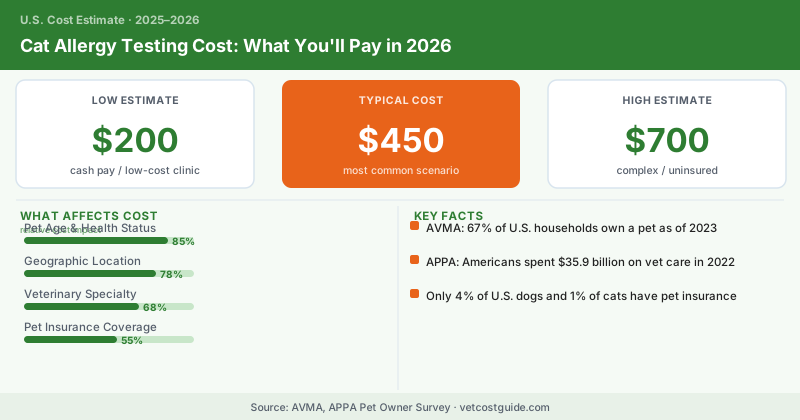
Your cat won’t stop scratching behind her ears, she’s chewing her paws raw, and the vet just said the word “allergies.” Now you’re staring down a bill for testing before anyone even knows what’s causing it. Cat allergy testing typically costs $200–$700, depending on whether your vet uses a blood panel or refers you to a dermatologist for skin testing.
Feline allergies are more common than most owners realize. The Cornell Feline Health Center notes that allergic skin disease is among the top reasons cats are brought in for chronic itching, and food or environmental triggers are usually to blame. Getting a real diagnosis instead of guessing is what actually saves you money long term.
The two testing paths
Serum (blood) allergy testing is the option most general practice vets order first. A blood sample gets sent to a lab like IDEXX or Antech, which screens for reactions to dozens of pollens, molds, dust mites, and other environmental allergens. This runs $200–$400 and results come back in 1–2 weeks. No sedation needed — just a routine blood draw.
Intradermal skin testing is the gold standard but far less accessible. A veterinary dermatologist shaves a small patch of fur, injects tiny amounts of dozens of allergens under the skin, and watches for reactions. Cats need light sedation for this, which pushes the cost to $300–$600, sometimes higher with specialist consultation fees layered on top.
| Test Type | Low Cost | High Cost | Turnaround |
|---|---|---|---|
| Blood/serum panel | $200 | $400 | 1–2 weeks |
| Intradermal skin test | $300 | $600 | Same day |
| Food elimination trial | $0 (diet only) | $150 (prescription diet),8–12 weeks | |
| Combined blood + skin | $450 | $900 | 1–2 weeks |
Why food allergies need a different approach
Not every itchy cat has an environmental allergy, and no blood or skin test reliably diagnoses food allergies in cats. Instead, your vet will likely recommend a strict elimination diet trial — feeding a novel protein or hydrolyzed prescription food for 8 to 12 weeks with zero treats or table scraps. Prescription diets run $60–$150 per month, but there’s no separate “test” fee, just the cost of the food itself and a follow-up exam.
- Blood allergy panels cost $200–$400 and are the most common first step.
- Skin testing costs $300–$600, requires sedation, and needs a veterinary dermatologist.
- Food allergies are diagnosed through an 8–12 week elimination diet, not a blood or skin test.
- Ongoing treatment after diagnosis adds $250–$900/year for medication or immunotherapy.
What actually drives the price
Location matters — a dermatology referral in a major metro area costs more than a general practice blood draw in a rural clinic. The number of allergens tested also shifts price: a basic 20-allergen regional panel costs less than a comprehensive 60+ allergen screen. And if your cat needs sedation for skin testing, add pre-sedation bloodwork ($80–$150) to confirm she’s a safe candidate.
Don’t skip the pre-testing basics. Many “allergy” symptoms in cats are actually flea allergy dermatitis or a skin infection, both of which are far cheaper to treat than a chronic environmental allergy. Ask your vet to rule out fleas and secondary infections with a skin scrape ($40–$80) before paying for a full allergy panel.
What happens after the diagnosis
If your cat tests positive for specific environmental allergens, your vet may recommend allergen-specific immunotherapy — essentially allergy shots tailored to what your cat reacts to. This runs $30–$75 per month and is typically a years-long commitment, but it treats the underlying cause rather than just masking symptoms. Cheaper alternatives include daily antihistamines ($10–$30/month, though effectiveness varies widely in cats) or a move to an anti-inflammatory prescription diet.
For cats with confirmed food allergies, the fix is usually simpler and cheaper: a permanent switch to a hypoallergenic or novel-protein diet, which just becomes part of your regular cat food budget rather than an ongoing medical expense.
Is testing worth the cost?
If your cat’s itching is mild and seasonal, some vets will suggest a trial of medication first rather than jumping straight to testing. But for cats with year-round symptoms, recurrent ear infections, or skin damage from constant scratching, testing pays for itself by pointing you toward a targeted treatment instead of an expensive trial-and-error cycle of creams, antibiotics, and steroid shots that only treat symptoms.
Talk to your vet about your cat’s specific pattern of symptoms before committing to the more expensive skin-test route — for many cats, a blood panel plus a food trial answers the question for a fraction of the price.
Frequently Asked Questions
Skin (intradermal) testing is generally considered more accurate for identifying environmental allergens in cats, but it requires sedation and a veterinary dermatologist, which is why it costs more and isn't as widely available. Blood serum testing is more accessible and non-sedating, making it the more common first step, even though it can produce more false positives.
Most accident-and-illness pet insurance plans cover allergy testing once your cat is showing symptoms, as long as the itching or skin issue wasn't diagnosed before your policy's effective date. You'll typically pay your deductible and coinsurance percentage, so a $500 test might cost you $100–$150 out of pocket after reimbursement.
Once allergens are identified, ongoing management with allergy shots (immunotherapy) runs $30–$75 per month, while daily antihistamines or prescription diets cost $20–$60 per month. Most cat owners spend $250–$900 per year on top of the initial test to keep symptoms controlled.