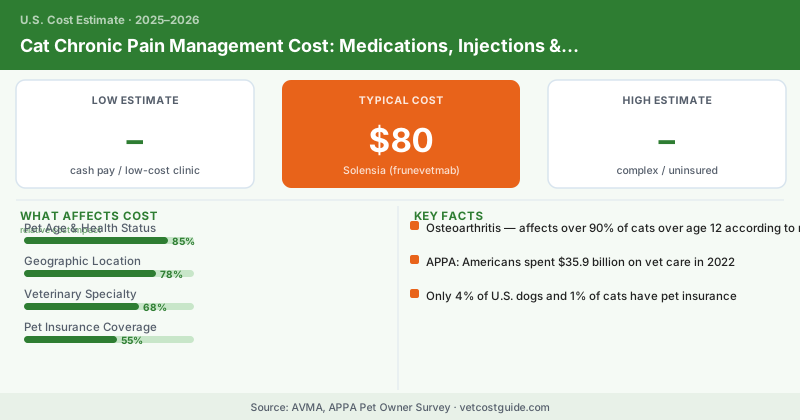
42% of cats over age 6 show radiographic evidence of arthritis — yet a 2011 study published in the Journal of Feline Medicine and Surgery found fewer than 4% of owners suspected their cat was in pain. That gap exists because cats are masters at hiding discomfort. By the time most owners notice a problem, the pain has been going on for months. Managing it properly isn’t cheap — but it’s also not as expensive as letting it go unmanaged until a crisis.
Expect to spend $80–$400 per month for ongoing feline pain management, depending on the source of pain and which treatments your vet recommends.
What Causes Chronic Pain in Cats?
The most common sources of long-term feline pain are:
- Osteoarthritis — affects over 90% of cats over age 12 according to research from North Carolina State University College of Veterinary Medicine
- Dental disease / stomatitis — oral pain often missed until teeth are fully extracted
- Cancer — bone tumors, oral squamous cell carcinoma, lymphoma
- Interstitial cystitis / FLUTD — chronic bladder inflammation
- Neuropathic pain — post-surgical, diabetic neuropathy, spinal disease
The type of pain drives the cost significantly because each requires different medications and monitoring.
Monthly Cost Breakdown
| Treatment | Monthly Cost | Best For |
|---|---|---|
| Solensia (frunevetmab) injection | $80–$150 | Osteoarthritis pain |
| Gabapentin | $20–$50 | Neuropathic & musculoskeletal pain |
| Buprenorphine (transmucosal) | $60–$150 | Moderate-to-severe acute flare |
| Meloxicam (short-term, vet-monitored) | $20–$40 | Inflammatory pain — NOT long-term |
| Robenacoxib (Onsior) | $40–$80 | Short-course inflammatory pain |
| Adequan injections | $40–$100 | Joint lubrication, OA support |
| Monthly monitoring bloodwork | $60–$150 | Required with most long-term meds |
The Real Monthly Budget
Most cats with well-managed chronic pain land in one of three tiers:
Mild pain (gabapentin + supplements + 2 vet check-ins/year): $50–$100/month Moderate pain (Solensia + gabapentin + quarterly bloodwork): $150–$280/month Severe or complex pain (multiple drug protocol + monthly monitoring): $300–$500/month
Most NSAIDs that work safely in dogs are dangerous for cats. Long-term NSAID use can cause acute kidney failure in cats — your vet will avoid it or use extreme caution. Solensia (FDA-approved January 2022) is the first drug specifically approved for feline OA pain, and it’s genuinely changed what’s possible. Gabapentin is inexpensive and well-tolerated. These two form the backbone of most chronic pain protocols in cats today.
Diagnostic Costs Before Treatment Starts
Before putting a cat on long-term pain medications, your vet needs a baseline. Expect:
- Physical exam with mobility assessment: $60–$120
- Radiographs (2–4 views): $200–$400
- Bloodwork (CBC + chemistry): $120–$250
- Urinalysis: $40–$80
Total diagnostic startup: $400–$850
This is a one-time cost, but it’s important to budget for it separately from ongoing monthly expenses.
Environmental Modifications (Often Overlooked)
Pain management isn’t just about pills. Cats with arthritis benefit significantly from:
- Orthopedic beds: $30–$80
- Low-sided litter boxes: $15–$40
- Ramps or steps to favorite resting spots: $25–$80
- Raised food and water bowls: $15–$35
These modifications can meaningfully reduce your cat’s pain levels and may let you use lower doses of medication — which saves money long-term.
Monitoring Costs: Don’t Skip These
Long-term pain management requires regular check-ins. If your cat is on gabapentin or Solensia, your vet will likely recommend:
- Bloodwork every 6 months: $120–$250 per panel
- Urinalysis every 6 months: $40–$80
- Mobility reassessment at each visit: included in exam fee ($60–$120)
Skipping monitoring isn’t a cost-saving move — undetected organ changes from any medication can turn a manageable condition into an emergency.
Never give your cat human pain medications — acetaminophen (Tylenol), ibuprofen, aspirin, or naproxen. All are toxic to cats. Even a single regular-strength Tylenol can be fatal. Cats lack the liver enzyme needed to metabolize these drugs safely.
Making It Work Financially
- Pet insurance: If your cat is young and pain-free now, insurance that covers chronic conditions is worth it. IMHA, OA, and stomatitis claims routinely run $3,000–$10,000 over a cat’s lifetime.
- Ask about compound pharmacies: Gabapentin from a compounding pharmacy in a transdermal gel (rubbed on the ear flap) often costs less than the capsule form and is easier to give to difficult cats.
- Solensia discount programs: Zoetis (the manufacturer) offers loyalty pricing programs — ask your vet’s office if they participate.
Chronic pain in cats is manageable. The cats who do best are the ones whose owners spotted the subtle signs early and committed to consistent treatment — not a single expensive intervention.
Frequently Asked Questions
Monthly medication costs typically range from $30–$150 depending on the drug type and dosage. NSAIDs like meloxicam average $40–$80/month, while gabapentin or tramadol can run $50–$120/month; combination therapy with multiple medications pushes costs toward the higher end of the $80–$400/month overall management range.
Most pet insurance plans cover chronic pain medications and injections like steroid or hyaluronic acid treatments, but many insurers exclude pre-existing conditions or impose waiting periods of 14–30 days. Out-of-pocket costs typically fall between 10–30% after insurance, meaning owners pay $24–$120/month depending on their deductible ($250–$1,000) and coverage percentage.
Initial assessment requires 1–2 visits in the first month ($100–$300 each), followed by check-up visits every 3–6 months ($80–$150 per visit) to monitor medication effectiveness and adjust dosages. Cats on injectable therapies like joint injections may need visits every 4–6 weeks for administration, adding $50–$100 per injection visit to annual costs.