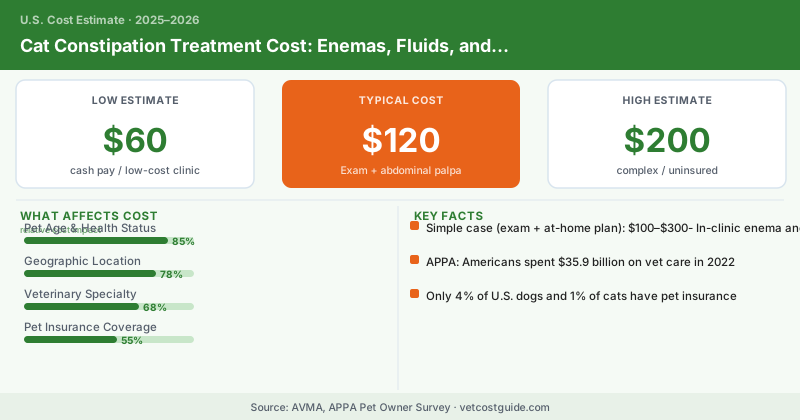
The $200 vet visit for a constipated cat feels like a lot for what seems like a simple problem — until you realize that the $200 problem becomes a $1,500 problem if you wait too long. Constipation is one of those conditions where acting fast genuinely saves money, because a backed-up cat that’s left alone can spiral into a medical emergency that needs hospitalization, IV fluids, and manual disimpaction under sedation.
Constipation is common enough that it’s a routine reason cats land at the vet, and it climbs with age. The good news? Caught early, it’s cheap and quick to fix. The trick is knowing when “my cat hasn’t pooped” crosses into “this is urgent.”
- Simple case (exam + at-home plan): $100–$300
- In-clinic enema and fluids: $200–$600
- Manual disimpaction under sedation + hospitalization: $600–$1,500
- Long-term management (diet, laxatives): $30–$80/month
- The ASPCA estimates routine yearly cat care runs a few hundred dollars — one severe constipation episode can match that in a single visit.
Cat Constipation Cost Breakdown
| Item | Low | High | Typical |
|---|---|---|---|
| Exam + abdominal palpation | $60 | $200 | $120 |
| Abdominal X-ray | $100 | $400 | $220 |
| In-clinic enema | $80 | $300 | $160 |
| IV or subcutaneous fluids | $80 | $300 | $160 |
| Sedated disimpaction + hospitalization | $600 | $1500 | $950 |
| Long-term meds (monthly) | $30 | $80 | $50 |
The Cheap End: Catching It Early
A cat that’s a little backed up, still eating, and acting mostly normal is an easy fix. Your vet confirms with palpation and maybe an abdominal X-ray, then sends you home with a stool softener like lactulose, a diet change, and instructions to up water intake. That’s $100 to $300, and most cats respond within a day or two. This is the version everyone wants.
Hydration is the unsung hero here. Many constipated cats are simply not drinking enough, especially those eating only dry food. Switching to wet food or adding a water fountain is a near-free intervention that prevents repeat visits.
The Expensive End: When You Wait
Let it go too long, and the stool hardens into a mass the cat physically can’t pass. Now you’re looking at sedation for manual disimpaction — a vet literally removing the impaction by hand — plus IV fluids to rehydrate and sometimes overnight hospitalization. That’s $600 to $1,500. Worse, repeated severe episodes can stretch the colon permanently into megacolon, a far costlier condition covered in our cat megacolon treatment cost guide.
Straining in the litter box can mean constipation — or it can mean a urinary blockage, which is a life-threatening emergency in male cats. The two look identical from across the room. If your cat is straining, crying, and producing nothing, do not assume it’s “just constipation” and wait. Get a same-day exam to rule out a blockage. Guessing wrong with a urinary obstruction can be fatal within a day.
Long-Term Management
Some cats are chronically prone to constipation and need ongoing support: a high-fiber or specialized diet, daily lactulose, and sometimes a prokinetic medication. That’s $30 to $80 a month — modest, and far cheaper than recurring emergency visits. Periodic rechecks at a routine vet visit keep the plan tuned.
Can Pet Insurance Help?
Constipation treatment is covered as an illness on comprehensive policies, assuming it’s not pre-existing, and an emergency disimpaction with hospitalization is exactly the kind of bill insurance softens. For a condition this often manageable, though, the bigger value of insurance shows up if it progresses to megacolon. See is pet insurance worth it and pet insurance cost per month to weigh it.
If a severe episode hits before you have coverage, CareCredit for vet bills can cover the hospitalization.
The Bottom Line
Cat constipation treatment costs $100 to $300 caught early and $600 to $1,500 if it becomes a severe impaction. The single biggest cost lever is timing — act on the first day or two of trouble, keep your cat hydrated, and you’ll likely never see the expensive end of this range.
Frequently Asked Questions
A simple constipation case typically costs $150–$300 for an exam and basic treatment like fluids or oral laxatives. If your cat needs hospitalization, IV fluids, and manual disimpaction under sedation, costs can reach $1,000–$1,500, making early treatment significantly cheaper than waiting.
Most pet insurance plans cover constipation diagnosis and treatment, but coverage depends on your specific policy—some plans have deductibles of $250–$500 and may cover 70–90% of veterinary costs after the deductible. Checking your policy details before your vet visit helps you understand your out-of-pocket responsibility.
Delaying treatment turns a $200 vet visit into a $1,500+ emergency requiring hospitalization, IV fluids, and sedation for manual disimpaction within days. Acting fast when you notice symptoms like straining or lack of bowel movements prevents the condition from becoming a life-threatening medical emergency.