42% of cats carry feline herpesvirus-1 (FHV-1) — the most common cause of eye infections in cats. Most got it as kittens. The virus doesn’t go away; it goes latent, hiding in nerve tissue, and resurfaces during stress or illness. If your cat’s eye keeps acting up, this is almost certainly why.
Understanding this changes how you think about treatment costs. A single antibiotic course fixes bacterial pinkeye in dogs. Cat eye disease is often a different, longer conversation.
- Vet exam + fluorescein stain: $60–$130
- Antibiotic eye drops for bacterial conjunctivitis: $20–$60
- Antiviral treatment for herpesvirus flare: $40–$150/month
- L-lysine supplementation (preventive): $15–$30/month
- Corneal sequestrum surgical removal: $500–$1,500
- Ophthalmologist consultation: $200–$400
Cat Eye Infection Treatment Cost by Condition
| Condition | Initial Exam + Treatment | Medication Cost | Total Range |
|---|---|---|---|
| Bacterial conjunctivitis | $60–$120 | $20–$60 | $80–$180 |
| Feline herpesvirus (FHV-1) flare | $60–$150 | $40–$150/month | $100–$300+ per episode |
| Chlamydia felis conjunctivitis | $75–$150 | $30–$80 | $105–$230 |
| Corneal sequestrum (minor) | $75–$150 | $30–$80 | $350–$800 total |
| Corneal sequestrum (surgical removal) | $500–$1,500 | Post-op drops: $40–$80 | $600–$1,800 |
| Eosinophilic keratitis | $100–$200 | $40–$100/month | $140–$300 |
| Uveitis | $100–$250 | $50–$150 | $150–$400 per episode |
Feline Herpesvirus: The Most Common Cause
FHV-1 causes ulcerative keratitis (corneal ulcers), conjunctivitis, and sometimes corneal sequestrum — a dark plaque of dead corneal tissue unique to cats. The American Association of Feline Practitioners (AAFP) reports FHV-1 as the primary infectious cause of ocular disease in cats, found in 45–97% of shelter cats and a significant percentage of household pets.
Flare-ups occur during stress — a new pet, a move, illness, boarding. Symptoms: red eye, squinting, watery or mucoid discharge, sometimes clouding of the cornea.
Antiviral treatment options:
- Idoxuridine 0.1% ophthalmic drops (compounded): $40–$80/tube, applied 4–5 times daily — the most commonly used topical antiviral
- Cidofovir 0.5% ophthalmic drops (compounded): $40–$80/tube, applied twice daily — effective but less available
- Oral famciclovir: $40–$100/month — used for severe or systemic flares; requires dosing every 8–12 hours
A typical flare-up treatment: exam ($60–$100) + antiviral drops ($50–$80) + possibly antibiotic drops if secondary bacterial infection present ($20–$40). Total: $130–$220 per episode.
Cats with frequent flares (more than 2–3/year) often benefit from ongoing L-lysine supplementation — an amino acid that competes with arginine, which the herpesvirus needs to replicate. Cost: $15–$30/month for powder or treats. Evidence is mixed, but many feline practitioners recommend it for cats with recurrent herpesvirus.
Bacterial Conjunctivitis
Cats can get bacterial conjunctivitis from several organisms. Chlamydia felis is a notable one — it causes chronic unilateral or bilateral conjunctivitis and responds specifically to doxycycline or tetracycline ophthalmic ointment rather than standard antibiotics. Treatment course is 4–6 weeks.
For non-specific bacterial conjunctivitis: neomycin-polymyxin B-gramicidin ophthalmic drops or tobramycin ophthalmic. Cost: $20–$50. Apply 3–4x daily for 7–10 days.
For Chlamydia: doxycycline oral ($15–$35/month) or tetracycline ophthalmic ointment ($25–$50). Full course typically needed.
Corneal Sequestrum: A Cat-Specific Problem
Corneal sequestrum is nearly unique to cats. A dark brown to black plaque develops on the corneal surface — it’s necrotic corneal stroma that the cat’s immune response has isolated. Causes: chronic herpesvirus keratitis, chronic irritation, Persians and Himalayans are predisposed.
Small, superficial sequestra may sometimes be managed medically (lubricants, antivirals) and slough off on their own — though this takes months and isn’t guaranteed. Medical management cost: $50–$80/month.
Surgical removal (keratectomy) is often recommended. The necrotic tissue is surgically removed under general anesthesia, followed by a conjunctival graft if deep tissue is affected. Cost: $600–$1,800 depending on depth and whether grafting is needed. Usually performed by a veterinary ophthalmologist.
Never use human eye drops containing vasoconstrictors (like Visine) in cats. Never use steroid eye drops in a cat without a fluorescein stain confirming no corneal ulceration — herpesvirus ulcers will worsen dramatically with steroids. Cats metabolize many medications differently from dogs and humans; always use veterinary-prescribed formulations.
Eosinophilic Keratitis
Eosinophilic keratitis (EK) is an immune-mediated condition — white to pink vascularized plaques develop on the corneal surface, usually in one eye. It’s associated with FHV-1 in many cases but also occurs independently.
Treatment: megestrol acetate (rarely used now due to side effects), prednisolone acetate ophthalmic drops ($30–$60/tube), or cyclosporine ophthalmic. Many cats require ongoing maintenance therapy. Monthly medication cost: $40–$100.
When to See a Veterinary Ophthalmologist
Most feline eye infections are managed by general practice vets. Refer to an ophthalmologist for:
- Any ulcer not healing within 10–14 days
- Corneal sequestrum requiring keratectomy
- Uveitis — especially unilateral, which can indicate systemic disease (FeLV, FIV, lymphoma, toxoplasmosis)
- Glaucoma
- Persistent eosinophilic keratitis not responding to initial therapy
Unilateral uveitis in a cat warrants FeLV/FIV testing ($30–$60) and possibly broader systemic workup ($200–$400). It’s one of those presentations that looks like an eye problem but turns out to be something much bigger.
ACVO specialist directory: acvo.org. Initial consultation: $200–$400.
Frequently Asked Questions
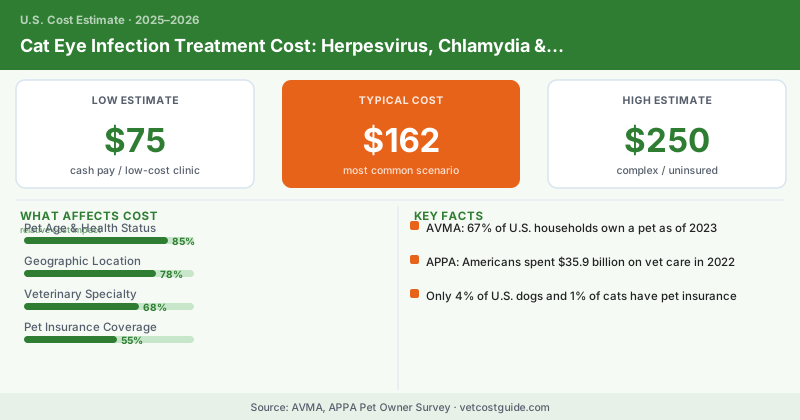
Initial diagnosis and treatment for cat eye infections typically costs $75–$250, which usually includes an exam, eye stain test, and prescription medication. If your cat has feline herpesvirus (FHV-1), expect ongoing management costs of $30–$80 per month for antiviral drops or medications during flare-ups.
Most pet insurance plans cover eye infection treatment as part of accident and illness coverage, though you'll typically pay the vet upfront and submit a claim for reimbursement (usually 70–90% after your deductible). Pre-existing conditions like chronic feline herpesvirus are often excluded, so review your specific policy for eye disease exclusions.
Bacterial conjunctivitis usually improves within 3–5 days of antibiotic drops, while herpesvirus infections may take 1–2 weeks to show improvement and often require long-term management. If your cat's eye infection doesn't improve after 7 days of treatment, return to your vet to rule out corneal ulcers or other complications.