There is no cure for FIV or FeLV. That’s the sentence most owners remember from the diagnosis conversation — and it’s accurate. But it’s only half the picture. The other half: the Cornell Feline Health Center reports that FIV-positive cats managed appropriately can live normal lifespans, and many FeLV-positive cats live 2–5+ quality years after diagnosis. The cost of keeping a positive cat healthy isn’t trivial, but it’s also not the financial disaster some owners fear. Here’s what you’re actually paying for.
Diagnosis Costs
Both viruses are diagnosed with a SNAP combo test at the vet clinic — a blood test that takes 10 minutes and detects both FIV antibodies and FeLV antigen simultaneously.
| Diagnostic Service | Low | Typical | High |
|---|---|---|---|
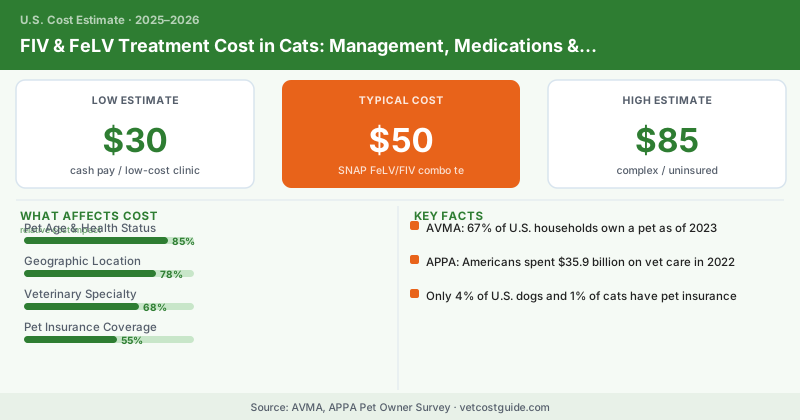
| SNAP FeLV/FIV combo test | $30 | $50 | $85 |
| Confirmatory Western blot (FIV positive confirmation) | $60 | $110 | $180 |
| Confirmatory IFA (FeLV positive confirmation) | $50 | $100 | $160 |
| Comprehensive blood panel (CBC + chemistry) | $100 | $200 | $350 |
| Chest/abdominal radiographs | $100 | $200 | $350 |
| Lymph node aspirate (if lymphoma suspected) | $80 | $175 | $300 |
Ongoing Annual Management Costs
Neither FIV nor FeLV is managed with antiviral therapy in routine practice — daily antiretrovirals as used in human HIV are rarely prescribed for cats due to cost and limited research. Management focuses on preventing secondary infections, monitoring organ function, and treating complications as they arise.
| Annual Service | Low | Typical | High |
|---|---|---|---|
| Twice-yearly wellness exams (vs annual for healthy cats) | $100 | $200 | $350 |
| Comprehensive bloodwork (CBC + chem, twice/year) | $200 | $400 | $700 |
| Dental cleaning (more frequent for immune-compromised cats) | $200 | $500 | $900 |
| Flea/parasite prevention (year-round, mandatory) | $80 | $150 | $250 |
| Viral respiratory infection treatment (when it occurs) | $100 | $250 | $550 |
| Antifungal treatment (opportunistic infections) | $100 | $300 | $700 |
| Probiotics/immune support supplements | $60 | $120 | $200 |
| Annual management total | $400 | $900 | $1,800 |
FeLV vs. FIV: The Cost Difference
FeLV tends to be more expensive to manage because it’s more medically aggressive. FeLV directly infects bone marrow cells and can cause lymphoma, leukemia, anemia, and immunosuppression. Oncological complications — treated when quality of life permits — add $500–$5,000+ to the management picture. The median survival for persistently FeLV-positive cats is 2–3 years after diagnosis, though individual cats vary enormously.
FIV progresses more slowly. Most FIV-positive cats spend years in the asymptomatic phase and have costs similar to a senior healthy cat — primarily higher-frequency wellness exams and vigilance for secondary infections. Costs rise when the cat transitions to the AIDS-like symptomatic phase, which may not happen for 5–10+ years.
The Antiviral Question: Interferon and LTCI
Two products are used off-label in FIV/FeLV management in the US:
Interferon-omega (Virbagen Omega, not FDA-approved in the US but available through some clinics): Used in Europe; evidence suggests modest benefit for FeLV. Cost: $200–$600 for a treatment course.
Lymphocyte T-Cell Immunomodulator (LTCI): An injectable immunomodulator approved by USDA as a treatment aid for FIV/FeLV. Administered at the vet clinic; a typical initial series costs $150–$400, with maintenance injections every 3–6 months at $50–$150 each.
Neither is a cure. Both are tools some vets use to support immune function in symptomatic cats.
FeLV is contagious to other cats through prolonged close contact — shared food bowls, mutual grooming, bites. FIV is primarily transmitted through bite wounds. An FeLV or FIV-positive cat should be kept as an indoor-only cat and, if you have FIV-positive and negative cats cohabitating, fight prevention is critical. Your vet should discuss housing management at diagnosis.
Nutrition and Quality of Life
FIV and FeLV-positive cats should eat a nutritionally complete commercial diet — no raw food, which carries pathogen risk for immune-compromised animals. High-quality protein supports immune function. Senior or prescription diets may be recommended as the cat ages or develops secondary conditions.
Dental disease accelerates in immune-compromised cats — bacteria that a healthy cat’s immune system would manage become chronic infections. More frequent dental cleanings ($200–$500/year vs. every 2 years for healthy cats) are standard of care.
Many positive cats sit in shelters for months because people fear the diagnosis. The financial reality: an FIV-positive cat in the asymptomatic phase may cost only marginally more than a healthy senior cat. FeLV-positive cats carry higher risk of major illness, but many live 2–5 rewarding years. If you can provide the twice-yearly vet schedule, indoor-only lifestyle, and $600–$1,200/year in preventive care, a positive cat can be a wonderful companion. Talk to your vet honestly about prognosis before adopting.
Frequently Asked Questions
Annual management costs for FIV or FeLV-positive cats typically range from $400 to $1,500+ per year, depending on the cat's health status, frequency of vet visits, medications needed, and any secondary infections that develop. Routine bloodwork, preventive medications, and regular wellness exams make up the bulk of these expenses.
Most pet insurance policies classify FIV and FeLV as pre-existing conditions and will not cover treatment if diagnosed before your policy begins. Some insurers may cover secondary infections or complications that arise from these viruses, but you should review your policy details and contact your provider directly, as out-of-pocket costs for ongoing management typically fall on the owner.
Yes—FIV-positive cats managed appropriately can live normal lifespans, while many FeLV-positive cats live 2–5+ quality years after diagnosis with consistent veterinary care, appropriate medications, and a stress-free environment. Proper management focuses on preventing secondary infections, maintaining nutrition, and monitoring health through regular bloodwork and vet visits.