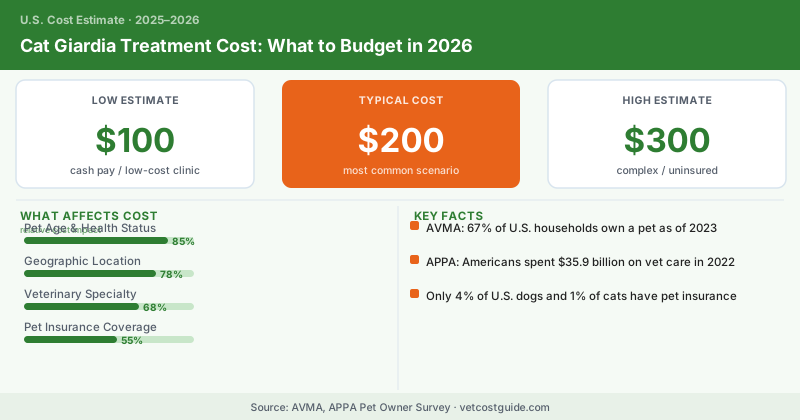
What does it actually cost to get rid of giardia in a cat? For most owners, the answer lands in the $100–$300 range for testing and medication, though recurring infections in multi-cat households can push totals to $300–$600 once decontamination and repeat testing are factored in.
Giardia is a microscopic protozoan parasite that infects the small intestine, causing diarrhea, sometimes with mucus or a greasy appearance, along with weight loss in more severe cases. It spreads through cysts shed in feces, which means shelters, catteries, and multi-cat households see it far more often than single-cat homes.
Diagnosis and standard treatment costs
| Service | Low Cost | High Cost | Notes |
|---|---|---|---|
| Fecal antigen/ELISA test | $40 | $85 | More sensitive than standard fecal float |
| Metronidazole or fenbendazole | $20 | $50 | 5–10 day course |
| Recheck fecal test | $40 | $85 | Confirms it's cleared |
| Total typical case | $100 | $220 | Single cat |
Standard fecal float tests can miss giardia because the cysts aren’t always shed consistently, which is why vets increasingly use a fecal antigen (ELISA) test that detects giardia proteins even when cysts aren’t visible under the microscope. This adds a bit to the diagnostic cost but avoids the frustrating scenario of treating a cat for something else while the giardia goes unaddressed.
- Standard giardia treatment costs $100–$220 including testing and medication.
- Recurring or multi-cat household cases can run $300–$600 with decontamination.
- A fecal antigen test is more reliable than a standard fecal float.
- Bathing your cat after the final treatment dose helps prevent reinfection from fur.
Why multi-cat households pay more
If you have more than one cat, giardia treatment gets more expensive fast — not because the medication costs more, but because you typically need to test and treat every cat in the household to actually break the cycle. Giardia cysts are hardy and can survive in a damp litter box or yard for weeks, so treating just the symptomatic cat while a carrier cat keeps shedding cysts means reinfection within days or weeks of finishing treatment.
Skipping environmental decontamination is the most common reason giardia treatment fails. Disinfect litter boxes with a bleach solution, wash bedding on hot, and consider bathing your cat right after the final dose of medication to remove any cysts clinging to fur near the tail and hindquarters. Without this step, reinfection rates climb significantly.
What drives the cost up or down
A single indoor cat with mild diarrhea and no other pets in the home is the cheapest scenario — usually just one round of testing, one course of medication, and a confirmatory recheck. Multi-cat households, shelters, or cats with a history of chronic soft stool face higher costs because of the need to test and treat multiple animals, potentially repeat the medication course if reinfection occurs, and invest time in thorough environmental cleaning.
Kittens with giardia sometimes need additional supportive care if diarrhea has caused dehydration or weight loss, adding $50–$150 for fluids or an appetite stimulant on top of the standard treatment cost.
Bottom line
For a single cat with a straightforward giardia diagnosis, plan on $100–$220 for testing, medication, and a follow-up fecal check. If you have multiple cats or the infection keeps coming back, budget closer to $300–$600 and don’t skip the environmental cleanup — it’s the step most owners overlook, and the one most likely to save you from paying for the same treatment twice.
Frequently Asked Questions
Cats pick up giardia by ingesting the parasite's cysts, most often from drinking contaminated water, grooming after contact with infected feces, or living in crowded conditions like shelters or catteries where the parasite spreads easily between animals. Kittens and cats in multi-cat households are at the highest risk simply due to closer, more frequent contact with other cats.
Giardia has zoonotic potential, meaning transmission from pets to people is possible, though it's considered uncommon with normal hygiene precautions. The CDC recommends washing hands after handling cat feces or litter and being especially careful with young children, elderly individuals, or anyone with a weakened immune system, who are more susceptible if exposure occurs.
Treatment failure or reinfection is common with giardia because cysts shed in feces are hardy and can survive in a damp environment for weeks, easily reinfecting a cat that grooms itself or shares a litter box with a carrier. Thorough environmental decontamination, bathing the cat after the last treatment dose, and treating all cats in the household simultaneously all reduce the odds of the cycle repeating.