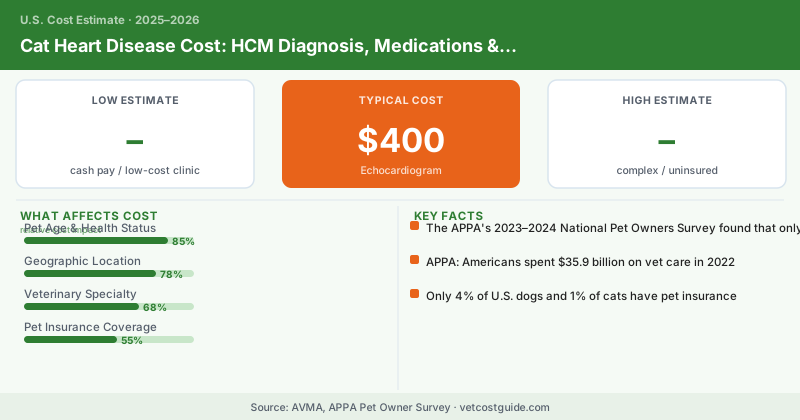
Most people assume heart disease is a dog problem. They’re wrong — and that assumption costs lives. Hypertrophic cardiomyopathy (HCM) is actually the most common acquired heart disease in cats, affecting an estimated 15% of the general cat population. In Maine Coons and Ragdolls, genetic testing has found HCM-associated mutations in 30–40% of the breed. It’s often silent until it isn’t — and “isn’t” can mean sudden death, a paralyzed limb from a blood clot, or acute respiratory distress.
Here’s what diagnosing and managing feline heart disease actually costs, and what you need to know to catch it before a crisis.
- Echocardiogram (definitive diagnosis): $400–$900
- Initial cardiology consult: $150–$300
- NT-proBNP screening test: $60–$120
- Monthly medications (moderate HCM): $50–$200/month
- Aortic thromboembolism (ATE) emergency: $2,000–$6,000
- Genetic testing (Maine Coons, Ragdolls): $45–$80 per cat
What Is Feline HCM?
HCM means the heart muscle (specifically the left ventricular wall) thickens abnormally, reducing the chamber’s ability to fill with blood and eventually leading to elevated filling pressures. Fluid backs up into the lungs (congestive heart failure) or turbulent blood flow triggers clot formation.
The scariest complication of HCM is aortic thromboembolism (ATE) — a saddle thrombus that lodges at the aortic bifurcation and cuts off blood flow to the hind limbs. Cats present suddenly unable to use their back legs, often in extreme pain, with cold limbs and absent pulses. It’s one of the most dramatic and distressing emergencies in small animal medicine.
According to a 2020 study in the Journal of Veterinary Internal Medicine, cats who survive an initial ATE episode have a median survival of only 77–128 days — making prevention and early detection the priority.
Diagnosis Costs
The only way to definitively diagnose HCM is echocardiography (cardiac ultrasound). Chest X-rays can show an enlarged heart or fluid accumulation but can’t characterize the structural abnormality. Blood tests can suggest cardiac stress but can’t diagnose HCM.
| Diagnostic Test | Typical Cost | Notes |
|---|---|---|
| Echocardiogram | $400–$900 | Performed by cardiologist or internist |
| Cardiologist consult fee | $150–$300 | Often bundled with echo |
| NT-proBNP blood test | $60–$120 | Screening marker for cardiac stress |
| Chest X-rays | $150–$350 | Shows heart size and fluid in lungs |
| Blood pressure | $30–$60 | Hypertension can worsen HCM |
| Thyroid test (T4) | $45–$80 | Rule out hyperthyroidism mimicking cardiac signs |
| Blood panel | $80–$180 | Kidney function before starting diuretics |
For routine breeding or screening, cardiologists offer affordable color-coded cardiac certification screenings — often $50–$150 at organized breed club events.
Who Should Be Screened?
Genetic testing for HCM-associated mutations (MyBPC3 for Maine Coons, MYBPC3 for Ragdolls) costs $45–$80 per cat through labs like UC Davis Veterinary Genetics Laboratory. A positive genetic test doesn’t mean your cat has HCM — it means they carry a mutation associated with increased risk and should have regular echocardiograms.
Cats that warrant regular echo screening:
- Maine Coons and Ragdolls (annually starting age 2)
- Cats with heart murmurs detected on exam
- Cats with elevated NT-proBNP on blood screening
- Cats showing any respiratory changes, exercise intolerance, or weight loss
Medication Costs by HCM Stage
Treatment depends on severity. Cats with mild HCM and no symptoms often don’t need medication — monitoring alone is appropriate. As HCM progresses:
| Medication | What It Does | Monthly Cost |
|---|---|---|
| Atenolol | Slows heart rate, reduces outflow obstruction | $15–$35 |
| Diltiazem | Slows heart rate, improves ventricular filling | $20–$45 |
| Clopidogrel (Plavix) | Anti-platelet clot prevention | $15–$35 |
| Aspirin (low-dose) | Clot prevention — used less often now | $5–$10 |
| Furosemide (Lasix) | Diuretic — removes fluid from lungs in CHF | $15–$35 |
| Atenolol + clopidogrel | Common combo for moderate-severe HCM | $30–$70 |
Most cats with moderate HCM and no current CHF signs are managed on clopidogrel alone ($15–$35/month) for clot prevention. Once signs of heart failure appear, furosemide is added, and costs climb.
The ATE Emergency: What to Expect
Aortic thromboembolism is one of the most expensive veterinary emergencies per survival outcome. Hospitalization, pain management, heparin therapy, supportive care, and monitoring over 3–7 days typically costs $2,000–$6,000. And the median survival post-ATE, even with treatment, remains poor.
Many veterinary cardiologists and owners elect a palliative approach after discussing the prognosis — humane euthanasia during the acute episode is a valid choice and sometimes the most compassionate one. There’s no right answer here; it depends on the cat’s baseline quality of life and owner values.
If your cat is on clopidogrel for HCM, it’s specifically to reduce (not eliminate) this risk. No medication fully prevents ATE in cats.
Signs of ATE in cats: sudden inability to use one or both back legs, cold hind feet, pale or blue-tinted paw pads, crying in pain, and rapid breathing. This is a true emergency — call an emergency vet immediately. Do not wait. Every minute without blood flow increases permanent damage to affected limbs.
Monitoring Schedule and Annual Costs
Once diagnosed and medicated, cats need regular rechecks:
- Every 6 months: exam + chest X-rays + blood pressure + kidney panel ($250–$500/visit)
- Every 12 months: repeat echocardiogram ($400–$900)
- Daily at home: watch for increased respiratory rate at rest (>30 breaths/minute is a warning sign)
Annual monitoring costs typically run $900–$2,300 on top of medications.
Breed-Specific Costs for Maine Coons and Ragdolls
These breeds warrant a structured program:
- Genetic test at 4–6 months of age: $45–$80
- Annual echo for mutation carriers: $400–$900/year
- Echo for breeding cats (certification): $50–$150 at organized screenings
Over the lifetime of a long-lived Maine Coon (12–15 years), cardiac monitoring alone can total $3,000–$10,000 for genetically positive cats.
Pet Insurance Perspective
HCM is almost always treated as a pre-existing condition once diagnosed. Enrollment before any murmur is detected or any cardiac testing is done is the only way to potentially get cardiac coverage. Even then, review your policy — some pet insurers exclude breed-specific conditions entirely.
The APPA’s 2023–2024 National Pet Owners Survey found that only 4.4 million pets were insured in the U.S. out of over 90 million cats and dogs — meaning most cat owners with HCM-diagnosis bills face the full cost out of pocket. Savings accounts and CareCredit are common alternatives.
When the Prognosis Is Poor
HCM progression varies enormously. Some cats with mild HCM live normal lifespans with no intervention. Others progress rapidly to refractory CHF within months of diagnosis. Cardiologists use echocardiographic measurements — particularly left atrial size — to predict risk. A left atrial-to-aortic ratio above 1.5 signals significantly elevated stroke and CHF risk.
At end stage, quality of life becomes the primary consideration. Most cats with refractory CHF have a life expectancy measured in weeks to months despite medication. Humane euthanasia is often the kindest choice. In-clinic euthanasia typically costs $50–$200; in-home services run $150–$500.
Frequently Asked Questions
HCM diagnosis typically costs $500–$2,000, which includes an initial veterinary exam ($100–$300), bloodwork ($200–$400), chest X-rays ($150–$300), and an echocardiogram ($800–$1,500). The echocardiogram is the gold standard for confirming HCM and usually represents the largest expense in the diagnostic workup.
Most pet insurance plans cover HCM-related diagnostics and medications if the condition develops after your policy start date, though some carriers exclude pre-existing conditions or charge higher premiums for cardiac issues. Out-of-pocket costs typically range from $50–$200 per month for ongoing medication management even with insurance, depending on your deductible and coverage limits.
Cats diagnosed with HCM usually require repeat echocardiograms every 6–12 months to monitor disease progression, with costs of $800–$1,500 per ultrasound. Cats showing severe symptoms or on medication may need more frequent monitoring (every 3–6 months), significantly increasing annual cardiac care expenses.