Sudden blindness. That’s how a lot of cat owners first learn their cat has high blood pressure — the cat bumps into furniture, the pupils are huge and fixed, and a frantic vet visit reveals the retinas have detached from untreated hypertension. It’s a gut punch, and it’s avoidable. Feline hypertension is cheap to manage once you know it’s there; the expensive part is the damage it does when it’s missed.
Hypertension is strongly linked to chronic kidney disease and hyperthyroidism, two of the most common conditions in older cats. The American Association of Feline Practitioners recommends blood pressure screening in senior cats precisely because catching it early prevents the blindness, strokes, and organ damage that drive the real costs.
- Diagnostic workup (BP measurement + underlying cause): $300–$900
- Blood pressure medication (amlodipine): $20–$60/month
- Periodic monitoring rechecks: $80–$250 per visit
- Treating hypertension-caused blindness or organ damage: far higher
- The AAFP recommends routine blood pressure checks for senior cats because early detection prevents costly, irreversible damage.
Cat Hypertension Cost Breakdown
| Item | Low | High | Typical |
|---|---|---|---|
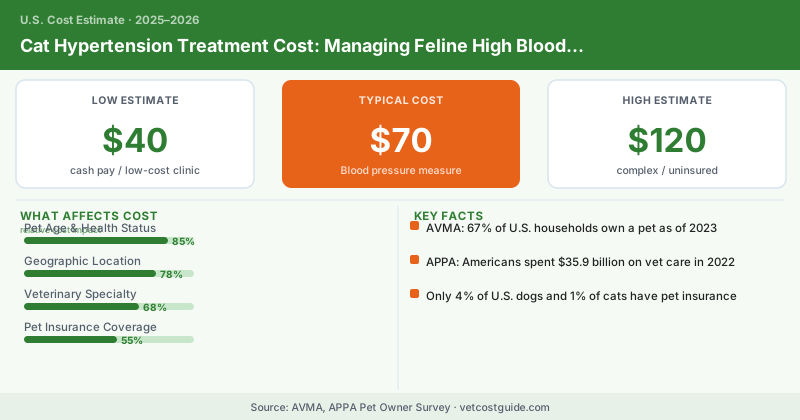
| Blood pressure measurement | $40 | $120 | $70 |
| Bloodwork + thyroid panel | $120 | $350 | $220 |
| Eye exam (retinal check) | $60 | $200 | $110 |
| Underlying disease workup | $200 | $600 | $380 |
| Medication (amlodipine monthly) | $20 | $60 | $35 |
| Monitoring recheck (each) | $80 | $250 | $140 |
The Treatment Itself Is Cheap
This is the rare feline condition where the medication is genuinely affordable. Amlodipine, the standard drug for feline hypertension, runs $20 to $60 a month and works well for most cats. A single small pill a day, and blood pressure usually comes under control within weeks. If only every cat disease were this manageable.
The reason hypertension shows up on this cost guide at all is the workup and the monitoring around it — and the catastrophic cost of ignoring it.
Why the Workup Costs More Than the Pills
Hypertension in cats is almost always secondary to another disease, so finding the cause is essential. That means a thyroid panel (to check for hyperthyroidism), kidney bloodwork, and a retinal eye exam to see whether damage has already started. Our cat kidney disease treatment cost guide covers the most common underlying culprit. This workup runs $300 to $900 because treating the blood pressure without addressing the kidney or thyroid disease behind it is only half a solution.
Monitoring matters too. Blood pressure has to be rechecked periodically to confirm the dose is right, which means $80-to-$250 recheck visits a few times a year. Build that into your budget — it’s part of responsible management.
Sudden blindness in a cat is an emergency, and it’s often the first visible sign of dangerously high blood pressure. If caught within a day or two, retinal detachment can sometimes partially reverse once the pressure drops — but every hour counts. Don’t wait to “see if it gets better.” Acute vision loss earns a same-day or emergency visit, because the window to save sight is short.
The Real Cost Is What Hypertension Damages
Left untreated, high blood pressure quietly wrecks organs — it detaches retinas (blindness), damages kidneys, strains the heart, and can cause strokes. Each of those is far more expensive to deal with than the $35-a-month pill that prevents them. That’s the whole argument for screening senior cats during a routine vet visit: a $70 blood pressure check can head off thousands in downstream damage.
Can Pet Insurance Help?
Hypertension medication and monitoring are covered as illness-related on comprehensive policies, provided the condition isn’t pre-existing. Because hypertension so often rides along with kidney or thyroid disease, insuring before any of those are diagnosed gives you the best coverage. The monthly drug cost is low, so the bigger insurance payoff is on the underlying disease and any emergency damage. Weigh it with our pet insurance cost per month and how pet insurance works guides.
For uninsured workup or emergency eye care, CareCredit for vet bills can help spread the cost.
The Bottom Line
Cat hypertension treatment costs just $20 to $60 a month in medication, but the workup runs $300 to $900 and ongoing monitoring adds up over time. The real money is in prevention — screening senior cats catches it before it causes blindness or organ damage, turning a potential five-figure problem into a small daily pill.
Frequently Asked Questions
The initial diagnostic workup typically costs $300–$900 and includes blood pressure measurement, bloodwork, urinalysis, and sometimes imaging to rule out underlying kidney disease or other causes. Once hypertension is confirmed, monthly medication costs range from $20–$60, depending on the drug and your vet's pricing.
Most pet insurance plans cover hypertension treatment as an illness, but pre-existing conditions are typically excluded if diagnosed before your policy started. You'll usually pay the vet bill upfront and submit for reimbursement, with coverage ranging from 70–90% after your deductible, though some plans cap annual benefits at $5,000–$10,000.
Most vets recommend rechecking blood pressure 1–2 weeks after starting medication to confirm it's working, then every 3–6 months during routine visits. Additional bloodwork every 6–12 months costs $150–$300 and helps monitor kidney function, since many hypertensive cats also have underlying renal disease.