Here’s something most cat owners don’t know: some diabetic cats go into remission. With the right insulin and a low-carb diet, a chunk of cats stop needing shots entirely within months. So while the monthly insulin cost is real, it isn’t always forever, and that changes how you should think about the budget.
Let’s cover what cat insulin costs, which types vets favor, and how to spend smart while you work toward stability.
Monthly Insulin Cost for Cats
Cats are small, so a single vial of insulin often lasts a long time, which keeps the effective monthly cost lower than the vial price suggests. The type your vet picks matters most.
| Insulin Type | Cost Per Vial/Pen | Lasts (Avg Cat) | Monthly Cost |
|---|---|---|---|
| ProZinc (vet insulin) | $70-$110 | 6-10 weeks | $35-$70 |
| Glargine (Lantus) | $90-$300 | 8-12 weeks | $30-$90 |
| Vetsulin | $55-$80 | 6-10 weeks | $30-$60 |
| Bexacat (oral, select cats) | $80-$140/month | N/A | $80-$140 |
In 2023 the FDA approved Bexacat, an oral diabetes tablet for certain cats, which gives needle-averse owners an alternative, though it’s only appropriate for specific patients.
The Costs That Add Up Around the Insulin
Insulin is rarely the whole story. Expect:
- Syringes: $15-$35 a month for cat-appropriate U-40 or U-100 syringes.
- Glucose curves: $75-$200 per session, with several needed early to set the dose.
- A prescription diet: Low-carb food often runs $40-$80 a month and is central to feline diabetes control.
The American Pet Products Association reported U.S. owners spent over $38 billion on vet care in 2024, and chronic feline conditions like diabetes are a meaningful contributor.
How to Cut the Cost
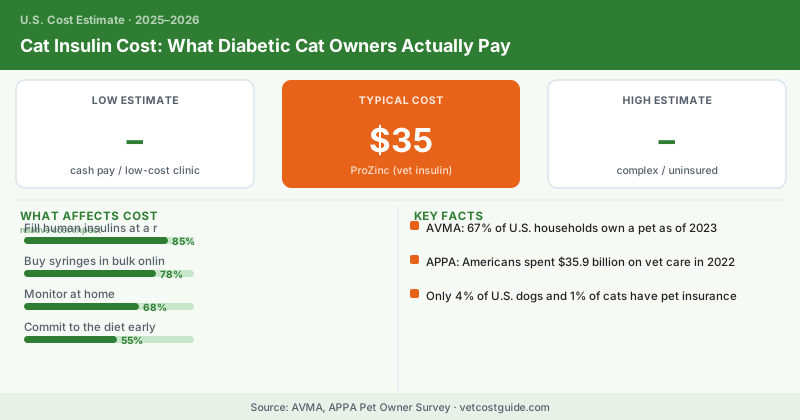
- Fill human insulins at a regular pharmacy. Glargine and similar products are often cheaper outside the vet’s office, especially with a discount card.
- Buy syringes in bulk online. A box of 100 beats per-visit clinic pricing.
- Monitor at home. A pet glucometer or continuous monitor reduces repeat clinic curve fees.
- Commit to the diet early. Good diet control can shrink the insulin dose, and sometimes ends it.
- Cat insulin runs $30-$140 a month depending on type, plus syringes and prescription food.
- Some cats reach diabetic remission, so the cost may not be lifelong.
- Year one costs more because of repeated glucose monitoring to dial in the dose.
- Filling human insulins at a regular pharmacy and home monitoring are top savings moves.
Insulin Is One Piece of the Diabetes Budget
Diet, monitoring, and rechecks all stack up. The full annual cost of a diabetic cat usually runs well above insulin alone, and our complete guide to cat diabetes treatment costs covers every line item.
U-40 and U-100 insulins require different syringes, and mismatching them causes serious dosing errors. With a cat’s tiny doses, even a small mistake is dangerous. Never change brands, concentrations, or syringe types without your vet walking you through it first.
Insurance and Financial Help
Because feline diabetes is a known chronic condition, insurers usually won’t cover it if your cat is diagnosed before you enroll. That timing makes it worth deciding early whether pet insurance is worth it for a young, otherwise healthy cat.
Already facing the bills? CareCredit for vet bills spreads the cost of monitoring, and free vet care programs can help qualifying owners afford insulin and food.
The Bottom Line
Cat insulin costs $30-$140 a month, with the first year heavier due to monitoring. Fill human insulins at a regular pharmacy, monitor at home, and lean hard on the low-carb diet, because a controlled cat may even reach remission and stop needing shots altogether.
Frequently Asked Questions
Insulin for a diabetic cat typically costs $30 to $130 per month depending on the type and dosage your vet prescribes. First-year costs are usually higher due to frequent vet visits for blood glucose monitoring and insulin adjustments, but monthly expenses often stabilize once your cat reaches a stable dose.
Most pet insurance plans exclude pre-existing conditions, so diabetes diagnosed before coverage starts won't be covered. However, some insurers will cover insulin and related vet visits if diabetes develops after your policy begins; check your specific plan details, as out-of-pocket costs typically run $30–$130 monthly without coverage.
Yes—some cats achieve diabetic remission with the right insulin type and a low-carbohydrate diet, meaning they stop requiring injections within months or even weeks. This makes the long-term cost lower than it appears initially, though you'll still need regular vet monitoring to confirm remission and ensure your cat remains stable.