In 2010, a cat that stopped eating for a few days got “monitored at home.” Today, any decent vet treats that same scenario as an emergency — because we now know how fast a cat’s liver can shut down. Feline hepatic lipidosis, or fatty liver disease, can develop in as little as two to seven days of not eating, and it’s the most common acquired liver disease in cats. The shift in urgency over the past 15 years explains a lot about why these bills look the way they do.
The other common culprit is cholangitis, an inflammation of the liver’s bile ducts that frequently travels with pancreatitis and IBD. Different disease, overlapping costs.
- Diagnostic workup (bloodwork, imaging, sometimes biopsy): $500–$1,800
- Hepatic lipidosis with feeding tube and hospitalization: $1,500–$4,500
- Cholangitis management: $800–$2,500 plus ongoing meds
- Long-term liver support medication: $30–$80/month
- Hepatic lipidosis carries a good recovery rate with aggressive nutritional support — but it’s fatal if a cat stops eating and nothing’s done.
Cat Liver Disease Cost Breakdown
| Item | Low | High | Typical |
|---|---|---|---|
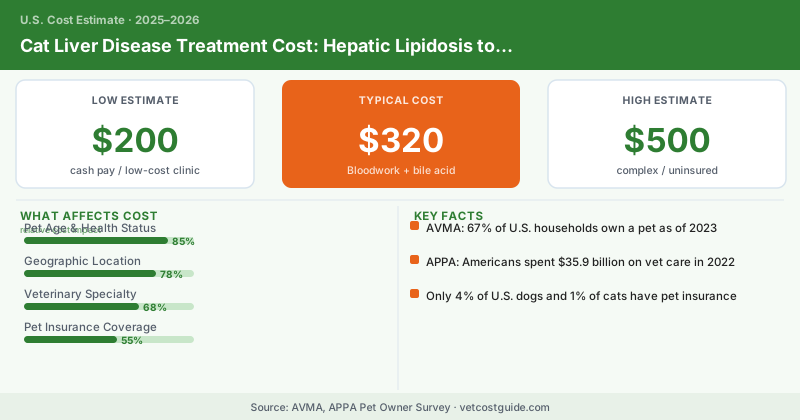
| Bloodwork + bile acid testing | $200 | $500 | $320 |
| Abdominal ultrasound | $300 | $700 | $450 |
| Liver biopsy / aspirate | $300 | $1000 | $600 |
| Feeding tube placement | $300 | $900 | $550 |
| Hospitalization (3-5 days) | $1200 | $3500 | $2200 |
| Liver support meds (monthly) | $30 | $80 | $50 |
Hepatic Lipidosis: The Feeding Tube Is the Treatment
Here’s the part that surprises owners. The cure for fatty liver disease isn’t a drug — it’s calories. A cat with hepatic lipidosis won’t eat voluntarily, so the treatment is a feeding tube (usually esophageal) that lets you deliver a precise amount of food daily, often for weeks. The tube placement and hospitalization are where the $1,500-to-$4,500 range comes from.
The flip side is genuinely hopeful: with aggressive feeding, recovery rates are good, and once the liver recovers the tube comes out and the cat is normal again. Few diseases this scary have this favorable an outcome when treated properly. The catch is commitment — you’re feeding through that tube at home, several times a day, for a month or more.
Cholangitis: The Inflammation Form
Cholangitis is a different beast. It’s inflammation of the bile ducts, and it often comes bundled with pancreatitis and IBD in a combo vets call “triaditis.” Treatment leans on antibiotics, anti-inflammatories, and a liver-support drug called ursodiol. Costs are lower than lipidosis up front — $800 to $2,500 — but management is often long-term.
Confirming which liver disease you’re dealing with usually means a cat ultrasound and sometimes a biopsy. That’s why the workup alone can hit $1,800.
A cat that won’t eat for 48 to 72 hours is a medical emergency, not a fussy eater. This is how hepatic lipidosis starts. Overweight cats are at the highest risk because their bodies mobilize fat to the liver when food intake drops. Never try to “diet” an overweight cat by withholding food — rapid weight loss is exactly what triggers fatty liver. Any sudden appetite loss earns a same-day vet call.
How the Workup Drives the Plan
Liver enzymes on bloodwork tell your vet something’s wrong, but not what. Bile acid testing, imaging, and often a tissue sample separate lipidosis from cholangitis from cancer — and each of those gets treated completely differently. Spending $500 to $1,800 to get the diagnosis right prevents spending thousands treating the wrong thing. It’s also why a basic vet visit for “my cat seems off” can quickly escalate once liver numbers come back high.
Can Pet Insurance Help?
Liver disease is covered as an illness on comprehensive policies, assuming the plan predates the diagnosis. Given that lipidosis hospitalization can top $4,000, a plan reimbursing 80–90% pays for itself in a single episode. NAPHIA’s 2023 industry data showed steady growth in cat policy enrollment, and liver and GI conditions are frequent claims. Compare options with our pet insurance cost per month and is pet insurance worth it guides.
If the bill lands before you have coverage, CareCredit for vet bills can finance the hospitalization and feeding-tube care over time.
The Bottom Line
Cat liver disease costs $800 to $4,500 to treat depending on the type, with hepatic lipidosis being the most intensive but also one of the most recoverable. The single best cost-control move is acting the moment your cat stops eating — because the liver doesn’t give you the luxury of waiting a week.
Frequently Asked Questions
Cat liver disease treatment ranges from $800 to $4,500 depending on the specific condition and severity. Hepatic lipidosis (fatty liver disease) typically costs $1,200–$3,000 and often requires hospitalization, bloodwork, and feeding tube placement, while other liver conditions like cholangitis may fall on the higher end of this range.
Most pet insurance plans cover liver disease treatment if purchased before diagnosis, though many policies exclude pre-existing conditions and may apply deductibles ($250–$1,000) and co-pays (10–20%). You should expect to pay $200–$1,000 out-of-pocket even with coverage, so reviewing your specific policy exclusions is critical.
Feeding tubes bypass a cat's refusal to eat and deliver nutrients directly to the stomach or small intestine, which is essential because hepatic lipidosis can develop in as little as 2–7 days of not eating and can cause rapid liver failure. Tube feeding typically lasts 2–4 weeks during hospitalization and recovery, with feeding tube placement adding $400–$800 to total treatment costs.