Most owners assume a lymphoma diagnosis means thousands of dollars and a sick, miserable cat. That’s wrong, or at least incomplete. Lymphoma is the most common cancer in cats, and feline chemotherapy is remarkably well tolerated — most cats keep eating, grooming, and acting like themselves. The cost depends entirely on which path you choose, and there’s a wide range.
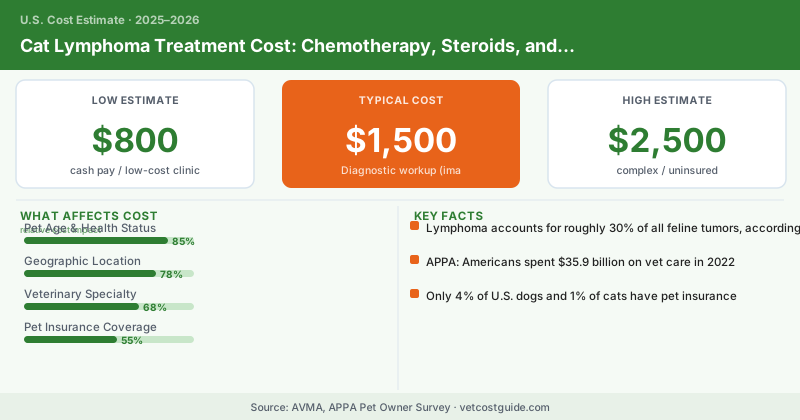
Lymphoma accounts for roughly 30% of all feline tumors, according to veterinary oncology literature, and the gastrointestinal form is the most common type seen today. That matters for your wallet because GI lymphoma often comes in a low-grade variety that responds to inexpensive oral medication rather than full IV chemo.
- Palliative steroids only (prednisolone): $20–$50/month
- Low-grade GI lymphoma protocol (chlorambucil + steroids): $80–$200/month
- Full multi-agent chemotherapy (CHOP protocol): $3,500–$6,000 total
- Diagnostic workup before treatment: $800–$2,500
- Around 30% of feline tumors are lymphoma, making it the cancer most cat owners eventually face.
Cat Lymphoma Cost Breakdown
| Item | Low | High | Typical |
|---|---|---|---|
| Diagnostic workup (imaging biopsy bloodwork) | $800 | $2500 | $1500 |
| Palliative steroids (monthly) | $20 | $50 | $35 |
| Low-grade oral chemo (monthly) | $80 | $200 | $130 |
| Full CHOP chemotherapy (6 months) | $3500 | $6000 | $4800 |
| Oncology consult | $150 | $350 | $250 |
| Recheck bloodwork per visit | $80 | $200 | $130 |
The Three Realistic Paths
Palliative care. If you can’t or don’t want to pursue chemo, prednisolone alone keeps many cats comfortable for weeks to a few months. At $20–$50 a month, this isn’t about cure — it’s about quality time. There’s no shame in choosing it.
Low-grade GI lymphoma protocol. This is the sweet spot many owners don’t know exists. Low-grade gastrointestinal lymphoma is treated with oral chlorambucil plus a steroid, given at home, and median survival often stretches to two years or more. The cost? Often under $200 a month. No IV catheters, no oncology day-stays.
High-grade chemotherapy. Aggressive lymphoma gets the CHOP protocol — a rotating series of injectable drugs given over about six months at a specialty hospital. Total cost runs $3,500 to $6,000. Remission rates are good, though not guaranteed, and survival varies widely.
Why the Diagnosis Costs So Much
You can’t treat lymphoma intelligently without knowing its grade and location, and that’s where the diagnostic bill comes from. Expect bloodwork, a cat ultrasound to find affected organs or lymph nodes, fine-needle aspirates or biopsies, and sometimes cat X-rays of the chest. Tissue often goes out for immunohistochemistry to confirm grade. All in, the workup runs $800 to $2,500 before a single dose of treatment.
It feels like a lot to spend just to learn what you’re dealing with. But the difference between $130-a-month oral therapy and $4,800 IV chemo hinges on that diagnosis — so it’s money that directly shapes your budget.
Beware “wait and see” with a cat that’s losing weight, vomiting, or has chronic diarrhea. Early lymphoma is easy to mistake for inflammatory bowel disease, and the two even look alike on ultrasound. Skipping the biopsy to save money can mean treating the wrong disease for months. The biopsy is the cheap part compared to wasted treatment.
Can Pet Insurance Help?
Cancer is exactly what major medical insurance exists for, provided the policy was active before any signs appeared. A plan paying 80–90% after the deductible can turn a $4,800 chemo course into a few hundred dollars out of pocket. NAPHIA data from 2023 showed cat owners were buying accident-and-illness coverage at growing rates, and cancer claims are among the most common to trigger a payout. Our guides on pet insurance cost per month and whether it’s worth it lay out the math.
No insurance? CareCredit for vet bills can finance a chemo protocol over several months, which matters when costs hit in clusters.
What Drives Your Final Number
The single biggest cost lever is the lymphoma’s grade. Low-grade means cheap oral therapy and good odds. High-grade means real chemotherapy and a bigger bill. Location matters too — GI lymphoma is the most common and often the most treatable. Where you’re treated matters as well, since a general vet visit costs a fraction of a specialty oncology day-stay.
The Bottom Line
Cat lymphoma treatment ranges from $20 a month for comfort care to $6,000 for full chemotherapy, with the low-grade oral protocol offering the best value for many cats at under $200 a month. The diagnosis isn’t automatically a financial catastrophe — it’s a fork in the road, and knowing the grade tells you which branch you’re on.
Frequently Asked Questions
Full chemotherapy protocols for feline lymphoma typically range from $4,000 to $6,000 total, while palliative steroid-only treatment costs around $200 per month. The exact price depends on your cat's stage, the specific chemotherapy drugs used, and how many treatment cycles are needed, which your veterinary oncologist can outline during the initial consultation.
Most pet insurance plans cover lymphoma treatment, but many policies exclude pre-existing conditions or have caps on cancer-related claims ranging from $5,000 to $10,000 annually. You'll want to review your specific policy for coverage limits, deductibles, and whether oncology treatments require a specialist referral or pre-authorization.
Steroid-only treatment is palliative, managing symptoms and extending life for 2-6 months at a lower cost ($200/month), while chemotherapy can induce remission and extend survival to 1-2 years or longer with side effects that most cats tolerate well. Your cat's age, overall health, and lymphoma stage determine which approach your veterinarian recommends.