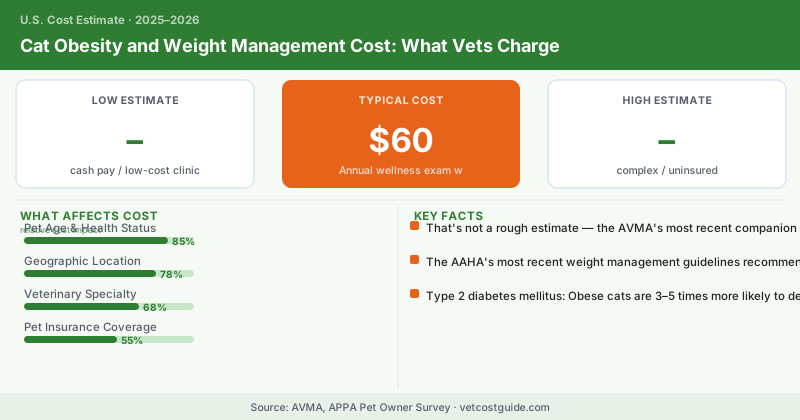
More than half of domestic cats in the United States are overweight or obese. That’s not a rough estimate — the AVMA’s most recent companion animal survey found that 59% of cats seen in veterinary practices were classified as overweight or obese by their vet. Only about 30% of those cats’ owners described their cat the same way.
That gap — between how the pet looks to the owner and what the scale says — is exactly why feline obesity is such a widespread problem, and why its costs are so consistently underestimated.
An overweight cat costs more to keep healthy. The conditions that obesity drives — diabetes, osteoarthritis, hepatic lipidosis, lower urinary tract disease — are among the most expensive feline health problems a vet treats. Getting ahead of weight management is cheaper than treating what comes after it.
What Does Weight Management Actually Cost at the Vet?
- Body condition assessment at wellness exam: included in exam fee
- Prescription weight-loss food (per month): $25–$80
- Nutrition consultation with vet: $50–$150
- Recheck weigh-ins (every 4–6 weeks): $25–$50 each
- Bloodwork to rule out thyroid/metabolic causes: $150–$300
- Joint supplements (if mobility limited): $20–$50/month
- Total annual cost for active weight loss program: $300–$900
The Starting Point: Diagnosis, Not Guessing
Before starting any weight loss program, your vet needs to confirm that the excess weight is dietary/lifestyle-related and not driven by an underlying condition. Two conditions in cats can cause weight gain or prevent weight loss regardless of diet:
Hypothyroidism: Rare in cats (much more common in dogs), but it does occur and causes metabolic slowdown.
Hyperadrenocorticism (Cushing’s disease): Also rare in cats but associated with a pot-bellied appearance and weight redistribution.
A baseline bloodwork panel ($150–$300) screens for both, along with diabetes (which can cause weight loss but is worth ruling out before starting a caloric restriction program in older cats). This is also the point where your vet establishes a target weight and a safe rate of loss.
Cost Breakdown: What Drives the Bill
| Service | Cost Range | Notes |
|---|---|---|
| Annual wellness exam with BCS scoring | $60–$130 | Body Condition Score assessed on 1–9 scale |
| Baseline bloodwork (first visit) | $150–$300 | Rules out thyroid, diabetes, organ disease |
| Prescription weight-loss diet (4–9 kg cat, per month) | $35–$80 | Hill's Metabolic, Royal Canin Satiety, Purina OM |
| Over-the-counter calorie-controlled food | $25–$60/month | Lower cost but less precise; fewer clinical trials |
| Nutrition consultation (standalone) | $50–$150 | Some practices offer as a separate service |
| Recheck weight visit (every 4–6 weeks) | $25–$60 | Quick weigh-in; some practices free between exams |
| Joint supplements (glucosamine/omega-3s) | $20–$50/month | For cats with reduced mobility limiting activity |
| Therapeutic laser (for arthritic obese cats) | $50–$80/session | Helps painful cats move more; 6–8 sessions typical |
Prescription Diet vs. Regular Food: Is the Extra Cost Worth It?
Prescription weight-loss foods for cats run $35–$80/month versus $20–$45/month for a quality calorie-controlled over-the-counter food. The price difference is real — but so is the clinical evidence gap.
Prescription diets like Hill’s Metabolic, Royal Canin Satiety Support, and Purina Pro Plan OM have published clinical trial data supporting their efficacy. The AAHA’s most recent weight management guidelines recommend prescription diets for cats requiring more than 15% body weight reduction, or in any cat where the owner has tried dietary restriction without success.
For a cat 10–20% overweight with no underlying health issues, a vet-guided switch to measured portions of a quality OTC food often works. For significantly obese cats — those 30%+ over ideal weight — prescription food with structured monitoring is the better investment.
The Real Cost: What Obesity Causes
Here’s the financial case for taking weight seriously early. These are the conditions feline obesity directly increases the risk of — and what they cost to treat:
Type 2 diabetes mellitus: Obese cats are 3–5 times more likely to develop diabetes than cats at ideal weight, according to AVMA clinical data. Once diagnosed, diabetes requires:
- Insulin ($60–$150/month)
- Syringes and glucose monitoring supplies ($30–$80/month)
- Regular glucose curves at the vet ($100–$300 each, every 1–3 months initially)
- Annual monitoring bloodwork ($150–$350)
- Annual management cost: $1,000–$3,500
Osteoarthritis: Carrying excess weight accelerates joint degeneration. Cats are notoriously good at hiding pain, so arthritis often isn’t identified until mobility is significantly limited. Treatment:
- Joint supplements: $20–$50/month
- Prescription NSAIDs or pain medication: $30–$80/month
- Therapeutic laser: $50–$80/session
- Annual cost: $500–$2,000
Hepatic lipidosis (fatty liver disease): When an obese cat stops eating (from stress, illness, or forced dietary restriction without vet guidance), fat mobilizes to the liver faster than it can be processed. The result is a potentially life-threatening liver disease requiring hospitalization.
- Hospitalization with IV fluids and feeding tube: $800–$2,500+
- This condition can be triggered by rapid weight loss without monitoring — another reason to work with a vet rather than simply reducing food abruptly.
How to Safely Help a Cat Lose Weight
The single most common owner mistake: cutting food dramatically without veterinary guidance. In cats, rapid caloric restriction triggers fat mobilization and hepatic lipidosis risk. Safe weight loss in cats is 0.5–1% of body weight per week — about 1–2 oz per week for a 12-pound cat.
What works:
- Accurate measuring. Use a kitchen scale, not a cup. Cat food cups are notorious for underestimating portion size by 20–40%.
- Multiple small meals. Cats are evolved for small frequent meals. Two scheduled feedings reduce begging and help owners track intake.
- Wet food over dry. Higher moisture content increases satiety. Swapping half of a dry food ration for an equal-calorie amount of wet food increases fullness for the same caloric intake.
- Puzzle feeders. Slow feeding and mental stimulation together. A $15–$30 puzzle feeder often reduces intake and increases activity.
- Play sessions. Two 10-minute wand toy sessions daily add meaningful caloric expenditure for an indoor cat.
Never put an overweight cat on a crash diet or stop feeding altogether to “fast” the weight off. Hepatic lipidosis can develop in as little as 48–72 hours of inadequate caloric intake in an obese cat — and it’s a medical emergency. Always work with your vet to set a safe caloric target and schedule regular weight checks every 4–6 weeks during active weight loss. The goal is slow, sustained loss — not fast results.
What to Budget
For a straightforward weight management program with no complications:
- Year 1 (including baseline bloodwork and prescription food): $400–$900
- Ongoing annual maintenance (food + 2–3 vet weigh-ins): $300–$600
If obesity has already caused secondary conditions:
- Diabetes: add $1,000–$3,500/year
- Arthritis: add $500–$2,000/year
The weight management investment is small compared to what it prevents. Reaching ideal body weight — even partial improvement from obese to mildly overweight — meaningfully reduces diabetes risk, extends lifespan, and improves quality of life. Most vets report that clients who commit to a structured program see meaningful results within 3–6 months.
Frequently Asked Questions
Basic weight management through diet changes and veterinary monitoring typically costs $150–$500 per year. However, if obesity leads to secondary conditions like diabetes or joint disease, annual costs can jump to $1,500–$4,000 depending on the severity and required treatments.
Most pet insurance plans do not cover obesity itself, as it is considered a pre-existing condition or a preventable issue. However, insurance typically covers secondary diseases caused by obesity (such as diabetes or arthritis) once diagnosed, though you'll still pay out-of-pocket for the initial weight management program.
Veterinary-supervised weight loss for cats typically takes 6–12 months depending on how much weight needs to be lost and the cat's metabolism. Your vet will recommend a prescription diet or calorie-controlled food and schedule check-ins every 4–8 weeks to monitor progress and adjust the plan as needed.