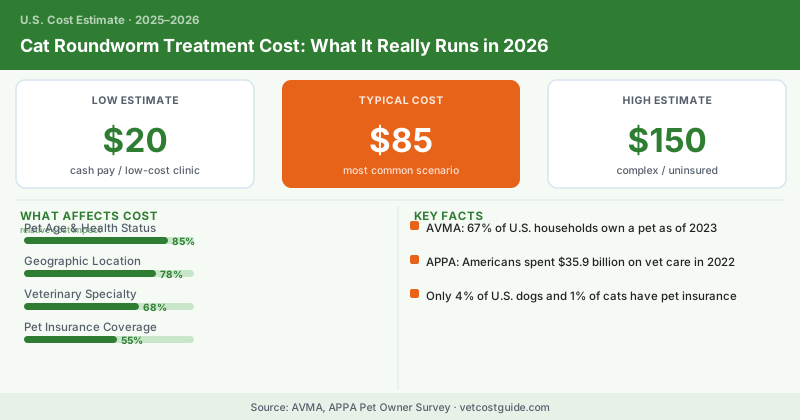
Most cat owners assume worms are a sign of a neglected or sickly cat. That’s mostly wrong. Roundworms are so common in cats that the CDC lists Toxocara cati as one of the most prevalent intestinal parasites in the species, with infection rates in kittens reported as high as 25–45% in some studies — even in well-cared-for pets. Treating them is also refreshingly cheap: $20–$150 total depending on how many rounds of dewormer and fecal tests your cat needs.
Kittens are especially prone to roundworms because the larvae can transmit through their mother’s milk, meaning some kittens are infected before they’ve ever set a paw outside.
What treatment actually costs
| Service | Low Cost | High Cost | Notes |
|---|---|---|---|
| Fecal exam | $25 | $45 | Confirms roundworm eggs |
| Dewormer (pyrantel/fenbendazole) | $15 | $40 | Often repeated 2–3x |
| Follow-up fecal test | $25 | $45 | Confirms it's cleared |
| Total typical case | $60 | $150 | Kitten or adult cat |
The medication itself is inexpensive — often under $20 per dose — but the total bill adds up because a single deworming rarely finishes the job. Standard dewormers kill adult roundworms living in the intestine, but they don’t touch larvae that are migrating through other tissues at the time of treatment. Those larvae mature into adults later, which is why kittens typically need dewormer doses every 2–3 weeks starting around week 2–3 of life, continuing through at least 8–12 weeks of age.
- Roundworms are one of the most common parasites in cats, especially kittens.
- Total treatment cost is usually $60–$150 for a full deworming series.
- One dose isn’t enough — larvae surviving the first treatment need a repeat dose.
- Roundworms can transmit to mother-nursing kittens and, rarely, to humans.
Why the treatment schedule matters more than the medication cost
A common and costly mistake is stopping after one dose because the cat “seems fine.” Because dewormers only kill worms present at the moment of treatment, a kitten dewormed once at 4 weeks can still test positive at 8 weeks as newly matured larvae take over. Most veterinary parasitology guidelines, including recommendations referenced by AAHA, call for deworming kittens every 2 weeks from 2–3 weeks of age until 8 weeks old, then monthly until 6 months.
Roundworm eggs shed in feces can survive in soil or litter for months to years, which means reinfection from a contaminated environment is common. Scoop litter boxes daily and wash your hands thoroughly after handling cats or cleaning litter, especially in households with young children.
Adult cats and outdoor exposure
Indoor-only adult cats with no history of roundworms generally need only routine annual fecal screening, which runs $25–$45 as part of a wellness visit. Outdoor or indoor-outdoor cats face ongoing exposure risk from hunting rodents and birds, both of which can carry roundworm larvae, so many vets recommend fecal testing every six months for these cats and prompt retreatment if eggs turn up.
Bottom line
Roundworms are one of the cheapest parasites to treat in cats — expect $60–$150 total for a kitten’s full deworming series, or $25–$70 for a single round in an adult cat that tests positive. The money-saving move isn’t cutting corners on treatment; it’s following the full repeat-dose schedule your vet recommends so you’re not paying for a fecal test and another round of medication three months from now.
Frequently Asked Questions
Yes, it's extremely common. Kittens can be infected with roundworms through their mother's milk even before they're weaned, and many show no obvious symptoms besides a pot-bellied appearance or occasional soft stool. This is exactly why vets recommend deworming kittens on a schedule starting at 2–3 weeks of age rather than waiting for visible signs of illness.
It's uncommon but possible, particularly for young children who might ingest contaminated soil or sand while playing. The CDC notes that Toxocara roundworm eggs can cause a condition called toxocariasis in humans, which in rare cases affects the eyes or organs. Scooping the litter box daily, washing hands after handling cats, and keeping cats on a deworming schedule all but eliminate the risk.
Yes. Outdoor cats hunt rodents and birds, which are common carriers of roundworm larvae, and they're also exposed to contaminated soil where eggs can survive for months or years. Many vets recommend fecal testing every 6 months for outdoor cats versus annually for strictly indoor cats, since reinfection risk is significantly higher.