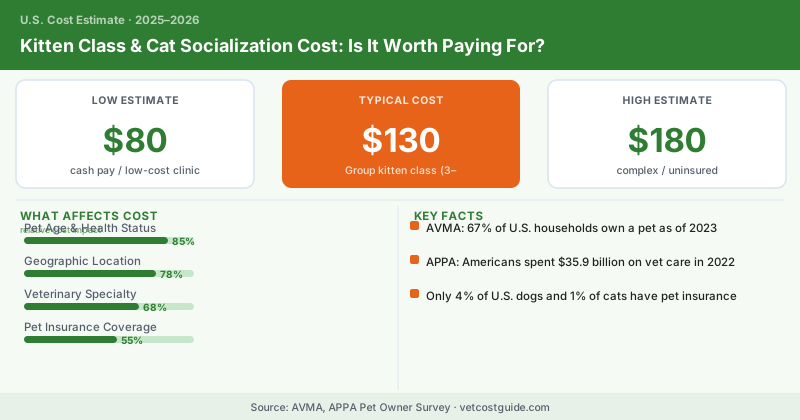
Kitten classes? For cats? A lot of people are surprised they even exist. But the science is clear: kittens have a socialization window that’s even shorter than a puppy’s, closing around seven to nine weeks of age. Expose a kitten to gentle handling, carriers, nail trims, and new people during that window, and you raise a confident adult cat that doesn’t turn the annual vet visit into a wrestling match. Skip it, and you may spend years managing a fearful, hard-to-handle cat. A kitten class runs about $80 to $180. Here’s whether it’s worth your money.
What Kitten Classes Cost
Kitten classes are less common than puppy classes, but where they exist they’re affordable.
| Option | Low | Typical | High |
|---|---|---|---|
| Group kitten class (3–4 week course) | $80 | $130 | $180 |
| Single kitten socialization session | $20 | $35 | $60 |
| Private in-home kitten session | $70 | $100 | $160 |
| DIY handling kit (carrier, treats, nail tools) | $30 | $50 | $90 |
| Vet-hosted kitten social (free–low cost) | $0 | $15 | $40 |
If you can’t find a formal class, don’t worry, much of the benefit comes from structured handling you can do at home for the cost of a carrier and some treats. Many vet clinics also host free or low-cost kitten socials for their patients.
Why It Matters More Than People Think
Here’s the part owners underestimate. A cat that wasn’t handled well as a kitten often becomes the cat that hides for days, swats at the groomer, and has to be sedated just for a routine exam. That fear has real costs: sedation fees, longer vet visits, sometimes medication. A confident, well-socialized cat sails through nail trims and vet trips. The American Association of Feline Practitioners actively promotes early socialization and low-stress handling precisely because it improves lifelong veterinary care and welfare.
- Kitten socialization classes cost roughly $80–$180; vet-hosted socials are often free or cheap.
- The feline socialization window closes around 7–9 weeks, even earlier than a puppy’s.
- Early handling produces a calmer adult cat and cheaper, less stressful vet visits.
- If no class is available, structured at-home handling delivers much of the same benefit.
What a Good Class (or Home Routine) Covers
Whether you pay for a class or DIY, the goals are the same:
- Carrier comfort. Teaching a kitten the carrier is a cozy den, not a trap, pays off at every future vet visit.
- Handling tolerance. Touching paws, ears, and mouth daily makes nail trims and exams routine.
- People and sounds. Calm exposure to visitors, vacuum cleaners, and doorbells builds resilience.
- Positive associations. Pairing all of it with treats and play, never force.
The Payoff Over a Lifetime
Cats live a long time, often 15-plus years, so this is a long game. Pet ownership is huge in the U.S.; the APPA’s national surveys consistently show cats living in tens of millions of American homes. A cat you can actually handle saves you money and stress at every single one of those years’ vet visits, and it makes you far more likely to catch health problems early because exams aren’t a battle. That early investment quietly pays off for the cat’s whole life.
Respect the window, but also respect the kitten. Socialization means gentle, positive exposure, never flooding a scared kitten with overwhelming experiences. If a kitten is frightened, you back off and go slower. Forcing a fearful kitten “to get it used to things” backfires and can create the exact fear you’re trying to prevent.
Getting the Most for Your Money
- Ask your vet about kitten socials. Many clinics offer them free to build lifelong low-stress patients.
- Do daily home handling. Five minutes a day of paw touches and carrier treats costs nothing and works.
- Invest in carrier training early. A cat that loves its carrier saves you grief and sedation fees forever.
- Pair it with the first vet visits. Make early trips short and treat-filled; see the average vet visit cost for what those routine visits run.
- Microchip while you’re at it. A kitten visit is the perfect time; see pet microchipping cost.
The Bottom Line
A kitten class is a small, optional cost with an outsized payoff: a confident cat that’s easy and cheap to care for across a long life. Even if you skip the formal class, the at-home handling routine is essentially free and just as valuable. Start early, keep it gentle, and you’ll be glad you did at every vet visit for the next decade and a half, a real bargain within the annual cost of owning a dog-style budgeting for cats too.
Frequently Asked Questions
Kitten socialization classes typically cost between $80 and $180 for a short course, depending on your location and the facility offering the program. Some veterinary clinics or animal shelters may offer lower-cost options or bundle classes with other services, while specialized trainers may charge at the higher end of the range.
Most pet insurance policies do not cover kitten socialization classes, as they are considered preventative training rather than medical treatment. You will likely pay the full cost out-of-pocket, though some veterinary clinics may offer discounts if you purchase the class directly through them.
Kittens should attend socialization classes before seven to nine weeks of age, as this is when their critical socialization window closes. Classes typically focus on exposing young kittens to gentle handling, carriers, nail trims, and new people to help them develop into confident adult cats that tolerate vet visits and handling.