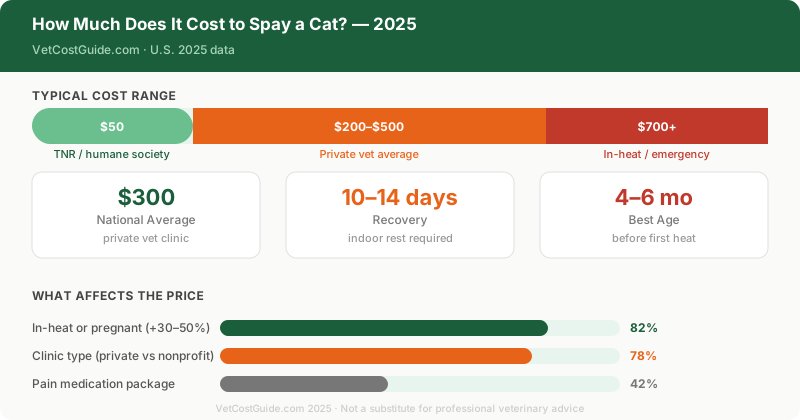
Consider this: the gap between spaying at a private vet and a nonprofit clinic can be $400 for the identical surgery. Not a better surgery, not a worse one — the same ovariohysterectomy, the same anesthesia protocol, the same internal sutures. At a full-service private clinic, you’re looking at $200–$500. A low-cost spay/neuter clinic — the kind run by the ASPCA, local humane societies, and independent nonprofits — charges $50–$150. Both options are legitimate. The gap reflects clinic overhead and volume, not surgical quality.
- Private clinic spays average $300–$400 in most US markets in 2025.
- Low-cost and nonprofit clinics charge $50–$150 and are safe, legitimate options.
- An unspayed female cat in heat can develop pyometra — a life-threatening infection — costing $1,500–$3,000 to treat surgically.
- Most clinics include pre-anesthesia bloodwork as an optional add-on for $50–$120, which is worth considering for cats over 5 years old.
2025 Spay Cost by Clinic Type
Geography matters almost as much as clinic type. California, New York, and Massachusetts prices run 25–40% above national averages. Texas, Ohio, and most of the Southeast tend to land near the lower figures.
| Clinic Type | Low | Average | High |
|---|---|---|---|
| Low-Cost/Nonprofit Clinic | $50 | $100 | $150 |
| Humane Society Program | $40 | $85 | $140 |
| General Practice Vet | $200 | $325 | $500 |
| Specialty/Boutique Clinic | $400 | $550 | $750 |
| In-Heat Surcharge (add-on) | $25 | $50 | $100 |
| Pregnant Cat Surcharge (add-on) | $50 | $100 | $200 |
What the Surgery Fee Actually Covers
It’s worth knowing what you’re paying for, because “spay fee” isn’t a standardized term across clinics.
Pre-surgical physical exam. Before anyone touches the anesthesia machine, your cat’s heart and lungs get checked. This isn’t a formality — a previously unknown heart murmur can change the anesthetic protocol entirely.
General anesthesia and dedicated monitoring. A licensed vet tech watches your cat’s heart rate, respiratory rate, blood pressure, and body temperature throughout. At full-service clinics this monitoring is continuous; at high-volume low-cost clinics it’s real but less individualized.
The ovariohysterectomy itself. Both ovaries and the uterus come out through a small abdominal incision. Uncomplicated procedures take 20–40 minutes in experienced hands. The incision gets closed in layers — muscle, subcutaneous tissue, then skin.
Post-op pain control. A quality clinic sends your cat home with 2–3 days of oral pain medication. This is standard of care and shouldn’t be an upsell at checkout.
Low-cost clinics perform the same core surgery but typically skip the comprehensive pre-op wellness exam and may offer lighter monitoring protocols. For a young, healthy cat, that’s a perfectly reasonable trade-off.
Five Things That Push the Price Up
Reproductive status at surgery time. A cat in active heat has engorged, highly vascular reproductive tissue — more bleeding risk, longer procedure, hence the surcharge. A pregnant cat adds even more complexity.
Your cat’s size and age. Bigger cats need more anesthetic drugs; older cats need more conservative dosing and sometimes longer monitoring. Some clinics have weight-based pricing tiers.
Clinic type and overhead. A full-service hospital with in-house diagnostics, 24/7 staffing, and specialist equipment carries costs that simply don’t exist at a high-volume spay clinic. That overhead shows up directly in the quote.
Your ZIP code. A $500 spay in Manhattan might be $220 in rural Kansas. Real estate, wages, and local competition all factor in.
Add-on services. Pre-anesthetic bloodwork ($80–$120), IV fluid support during surgery ($30–$60), microchipping ($25–$50), and extended pain medication are legitimate options — but not always necessary for every cat. Ask which ones are recommended for your specific situation.
- Clinics that don’t include pain medication. Spay surgery is painful. Any quote that doesn’t include at least 48 hours of take-home pain relief is cutting a corner that matters for your cat’s welfare and recovery.
- “Spay packages” that hide fees. A rock-bottom advertised price that excludes the exam, anesthesia, or E-collar can balloon 50% by checkout. Always ask for an itemized estimate.
- Waiting too long. Each heat cycle increases surgical complexity slightly. An unspayed cat that develops pyometra (uterine infection) faces emergency surgery costing 10–15x more than a routine spay — and a serious risk to her life.
Does Pet Insurance Cover This?
Standard accident-and-illness pet insurance treats spay surgery as an elective procedure — it’s not covered. What might be covered: wellness add-on riders that reimburse $75–$150 toward spay/neuter as part of a preventive care package.
If you’ve already got a wellness rider, check your benefit schedule and claim it. If you’re shopping for coverage right now, a wellness rider typically runs an additional $10–$20/month — probably not worth it just for the spay reimbursement, but potentially valuable if it also covers your annual exam, core vaccines, and flea prevention throughout the year.
Practical Ways to Reduce the Cost
Go nonprofit. The ASPCA’s low-cost spay/neuter database and your local humane society are the best starting points. These programs perform hundreds of spays monthly with excellent safety records. For a young, healthy cat, there’s no medically meaningful reason to pay private vet prices.
Spay early. Surgery before the first heat (recommended: 4–6 months of age) avoids in-heat and pregnant surcharges entirely. It’s also technically the simplest version of the surgery.
Bundle services. Many clinics offer a spay + microchip + rabies vaccine bundle at a discount. Ask specifically whether package pricing exists before agreeing to individual service charges.
Look for local voucher programs. County animal control agencies, rescue organizations, and some city programs issue subsidized spay vouchers for income-qualifying owners. Your local humane society can tell you what’s available in your area.
Skip optional add-ons for healthy young cats. Pre-anesthetic bloodwork adds $80–$120 of genuine value for cats over 5 years or with known health concerns. For a healthy 5-month-old kitten, it’s optional — have the conversation with your vet rather than automatically agreeing.
Frequently Asked Questions
What’s the best age to spay a cat? Most veterinarians recommend spaying between 4 and 6 months, before the first heat cycle. Some shelters perform pediatric spays at 8–12 weeks — this is well-studied and safe. There’s no upper age cutoff, though surgical risk increases with age and concurrent health conditions.
How long does recovery take? Most cats return to normal activity within 5–7 days. Full internal healing takes 10–14 days. Keep her from jumping or sprinting for at least a week, and use an E-collar to prevent licking the incision. A follow-up recheck isn’t always included in the fee — ask upfront; it typically runs $35–$65 if billed separately.
Is a low-cost clinic as safe as a private vet? For a standard spay on a young, healthy cat — yes. High-volume clinics operate under state veterinary board oversight and perform these procedures daily. If your cat has a heart murmur, is significantly overweight, or has a known illness, a full-service clinic with more intensive monitoring is the smarter choice.
Can I spay a cat that’s already in heat? Yes. Most vets prefer to wait 2–3 weeks after a heat cycle ends, but it’s not required. If waiting isn’t practical, the surgery can proceed with a modest surcharge ($25–$100). There’s no added health risk to your cat — just increased surgical complexity that takes a few extra minutes.
Frequently Asked Questions
At a full-service private veterinary clinic, cat spay surgery typically costs between $200–$500. This price usually includes the surgical procedure, anesthesia, pain medication, and a post-operative exam, though costs may vary based on your location and the clinic's overhead.
Most pet insurance plans do not cover spay surgery since it is considered a preventive procedure or elective surgery, not a medical emergency. However, some insurers offer wellness add-ons that may partially reimburse spay costs; you'll typically need to pay out-of-pocket upfront and submit a claim for reimbursement.
Yes—low-cost spay/neuter clinics run by the ASPCA, humane societies, and independent nonprofits charge $50–$150 for the same ovariohysterectomy procedure that a private vet performs for $200–$500. The surgery and anesthesia protocol are identical; the difference is primarily overhead and operating costs, not quality.