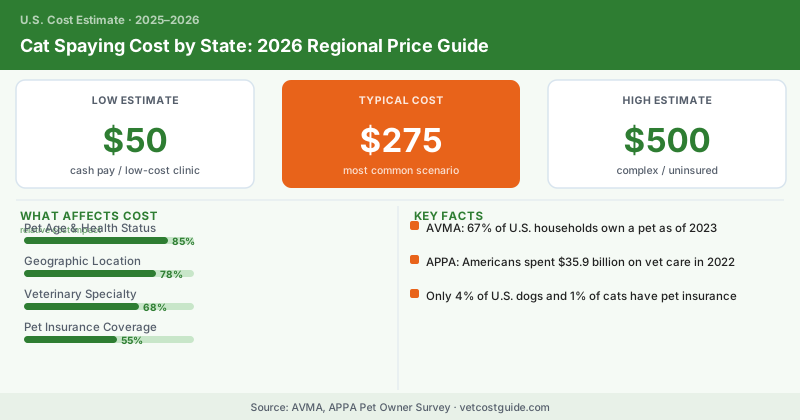
Nearly 3.2 million cats enter U.S. animal shelters every year, according to ASPCA estimates, and unplanned litters are a major reason why. Spaying is one of the most effective tools against that number — and where you live changes the price by a factor of ten. Cat spaying costs $50–$500 depending on your state, with rural low-cost clinics on one end and premium urban veterinary hospitals on the other.
Unlike dogs, cats have an especially robust national network of low-cost and free spay programs, largely built around controlling feral and community cat populations. That infrastructure means even in expensive states, a budget-conscious owner usually has an affordable option nearby if they know where to look.
Regional cost breakdown
| Region | Private Vet Range | Low-Cost/Nonprofit Range | Example States |
|---|---|---|---|
| Northeast | $250–$500 | $50–$120 | NY, MA, NJ, CT |
| West Coast | $200–$450 | $45–$110 | CA, WA, OR |
| Midwest | $120–$300 | $30–$80 | OH, IL, MI, WI |
| South | $100–$250 | $25–$65 | TX, GA, AL, MS |
| Mountain West | $120–$300 | $30–$85 | CO, UT, ID, MT |
What changes the price beyond geography
Age matters more for cats than most owners expect. Kittens spayed young (4–6 months) tend to cost slightly less than adult cats, since the surgery is faster and anesthesia doses are smaller. A pregnant or already-in-heat cat costs more everywhere — the surgery is more complex and carries higher risk, which some clinics price in as a $50–$150 surcharge.
- State-level differences can mean a 5–10x price gap for the identical procedure.
- Feral and community cat TNR programs often provide free or near-free spaying nationwide.
- Spaying before the first heat cycle reduces future mammary tumor risk and doesn’t cost more.
- The ASPCA, Humane Society, and Alley Cat Allies all maintain low-cost clinic locators.
How to find the cheapest legitimate option
Start with Alley Cat Allies’ clinic finder or your local Humane Society chapter — both maintain updated directories of subsidized spay/neuter clinics by zip code. Many county animal control departments also issue vouchers covering all or part of the surgery cost for qualifying low-income households.
If you’re managing a colony of feral or community cats, contact a local TNR organization directly. These groups typically perform the surgery for free or under $25, and it usually includes an ear-tip (the universal sign a cat has already been fixed) plus a rabies vaccine.
- Booking too close to heat season. Spring and early summer are peak kitten season, and low-cost clinics fill their surgery slots weeks in advance — book early if you’re trying to avoid an unplanned litter.
- Assuming free means no aftercare. Confirm what pain management and follow-up support is included — some ultra-low-cost programs provide surgery only, with pain medication as a separate add-on.
- Ignoring recovery instructions to save a vet visit. An E-collar and 10–14 days of restricted activity are essential regardless of what you paid — complications from a cat jumping or grooming the incision site can cost far more than the original surgery.
Comparing states isn’t the whole picture
Don’t assume your state’s average tells you what you’ll actually pay. A rural county in an expensive state can still have access to a subsidized regional clinic, while an urban pocket of a “cheap” state might only have pricier boutique practices nearby. Always check specific clinics in your zip code rather than relying on statewide averages alone.
If you also have a dog at home, check dog neutering cost by state — many clinics offer multi-pet discounts if you schedule both procedures on the same visit day.
Frequently Asked Questions
Cats are smaller and require less anesthesia and a shorter surgical time than most dogs, which reduces the overall cost. Additionally, feral and community cat overpopulation programs have driven huge investment in low-cost and free spay/neuter infrastructure specifically for cats, making subsidized options more widely available than for dogs in many areas.
Spaying before the first heat cycle, typically recommended around 4–6 months of age, doesn't change the procedure's price, but it does reduce the risk of mammary tumors later in life and eliminates the chance of an unplanned pregnancy, which avoids far higher future costs like emergency C-sections or raising a litter of kittens.
Yes, most TNR (trap-neuter-return) programs for feral and community cats offer free or heavily subsidized spay/neuter surgery, often $0–$25, funded through grants and donations specifically to control feral cat populations. These programs typically also include an ear-tip marking and rabies vaccination as part of the service.