What if the most humane thing you could do for your cat’s chronic pain was to remove every tooth in its mouth? That’s not a radical idea — it’s the evidence-backed treatment for feline chronic gingivostomatitis (FCGS), one of the most painful conditions cats develop. About 60–80% of cats with stomatitis achieve complete remission after full mouth extraction. The other 20–40% improve significantly. Doing nothing — or endless rounds of steroids and antibiotics — means your cat lives in constant oral pain.
What Is Feline Stomatitis?
Chronic gingivostomatitis is an extreme immune-mediated inflammatory condition of the oral cavity. It goes far beyond normal dental disease — the gum tissue, cheeks, palate, and throat can all be involved. The cause isn’t fully understood, but the working theory is that the immune system overreacts to dental plaque antigens (bacterial biofilm), triggering severe inflammation.
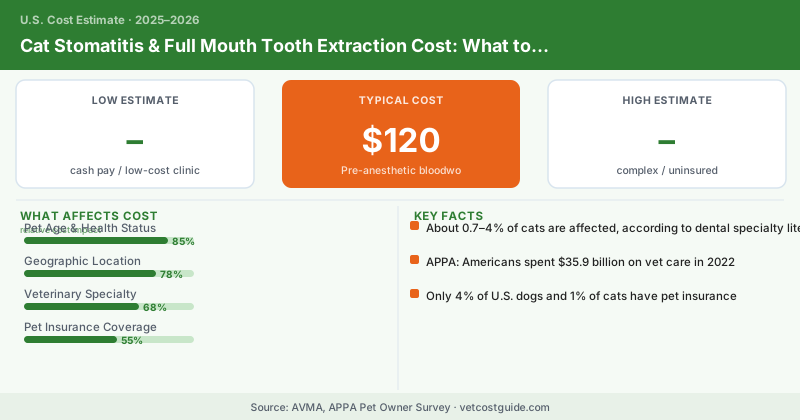
About 0.7–4% of cats are affected, according to dental specialty literature. Many are middle-aged cats, and no breed is immune. Calicivirus and FeLV/FIV infections are associated with higher rates of stomatitis.
Why Teeth Are Removed
Teeth are the surface the plaque lives on. Remove the teeth, remove the antigenic trigger, and in most cats the immune reaction subsides. It sounds counterintuitive, but full mouth extraction (or near-full-mouth, preserving the canines in some protocols) has far better outcomes than partial extraction.
Studies report approximately 60% complete remission and 20% partial remission after full mouth extraction — meaning 80% of cats are dramatically better after the procedure, often within 4–8 weeks of healing.
Cost Breakdown
| Service | Typical Cost | Notes |
|---|---|---|
| Pre-anesthetic bloodwork | $120–$250 | Required before any dental procedure |
| Full mouth extraction (FMTE) | $1,200–$3,000 | Varies by practice and tooth count |
| Dental radiographs (full mouth) | $200–$500 | Essential to confirm root removal |
| Anesthesia and monitoring | $200–$500 | Avian-level care, often 2–3+ hours |
| Pain management protocol | $100–$300 | Multi-modal, critical post-op |
| Antibiotics and anti-inflammatories | $60–$150 | Post-operative course |
| E-collar and soft food | $20–$50 | Recovery supplies |
Total typical cost: $1,500–$4,000
Specialty dental practices or veterinary dental specialists (DAVDC) tend to charge at the higher end but also have the specialized training and equipment (dental radiography, high-speed dental units) that this procedure demands.
Why You Should See a Dental Specialist If Possible
Full mouth extraction in a cat with stomatitis is not a routine dental cleaning. The inflammation makes tissues fragile. Careful technique is required to remove roots cleanly — retained root fragments prevent healing and can require a second procedure. A board-certified veterinary dentist (DAVDC) performs these procedures daily and has outcomes data to support their approach.
Dental specialist fees: $2,500–$4,500 for full mouth extraction including all diagnostics General practice fees: $1,200–$2,500 — appropriate if the vet has specific stomatitis experience and full dental radiology capability
Many cats with stomatitis get cycled through steroids (prednisolone), immunosuppressants (cyclosporine), and antibiotics. These manage symptoms but don’t address the cause. Long-term steroid use causes diabetes, muscle wasting, and immune suppression. Many cats on medical management alone continue to lose weight, refuse food, and live in constant pain for years before owners are told about extraction as a curative option. Ask your vet about definitive treatment early.
Recovery: What It Actually Looks Like
The first 1–2 weeks post-extraction are uncomfortable. Your cat will need:
- Soft or liquid food (no dry kibble) for 4–6 weeks minimum
- Pain medication at home for 7–14 days
- Limited activity
- Follow-up exam at 2 weeks to assess healing
Most cats are eating and acting noticeably more comfortable within 3–4 weeks. By 8 weeks, many cats that previously wouldn’t eat are running to the food bowl. Cats do remarkably well without teeth — they gum their food and do fine.
Long-Term Costs After Extraction
In the 60–80% of cats that achieve full remission, ongoing vet costs related to stomatitis are essentially zero. In the partial-remission group (about 20%), low-dose cyclosporine ($80–$150/month) or periodic steroid bursts may still be needed.
Annual vet visits still apply — your cat still needs wellness exams, vaccines, and bloodwork — but you’re done with the high-cost dental cycle.
Never assume your cat’s reduced appetite or drooling is “just a bad tooth.” These can be signs of stomatitis pain severe enough to make eating unbearable. A cat that stops eating can develop hepatic lipidosis (fatty liver disease) within 3–5 days — a separate life-threatening emergency. Get oral pain evaluated promptly.
Making It Work Financially
At $1,500–$4,000, this procedure isn’t cheap — but compare it to 3–5 years of repeated vet visits, medications, and a cat in chronic pain. Most owners who’ve been through the medical management treadmill say they wish they’d done the extraction sooner.
CareCredit and Scratchpay both work at most veterinary dental practices. If cost is a barrier, ask about veterinary school dental clinics — DAVDC residents perform these procedures under faculty supervision at 30–50% lower fees.
Frequently Asked Questions
Full mouth tooth extraction for feline stomatitis typically costs between $1,500 and $4,000, depending on your location, veterinary clinic, and whether additional diagnostics or medications are needed. The procedure usually includes pre-operative bloodwork, anesthesia, extractions, pain management, and post-operative care.
Most pet insurance plans do not cover full mouth extraction if stomatitis is considered a pre-existing condition, but they may cover it if diagnosed after your policy start date. Many plans classify routine dental extractions as exclusions, so you'll want to review your specific policy or contact your insurer before scheduling—out-of-pocket costs typically range from $1,500 to $4,000 without coverage.
Most cats return to normal eating and activity within 7–14 days after full mouth extraction, though complete healing takes 4–6 weeks. Many owners report that cats show immediate pain relief and behavioral improvement within days, since stomatitis causes severe chronic pain that is finally eliminated by removing all affected teeth.