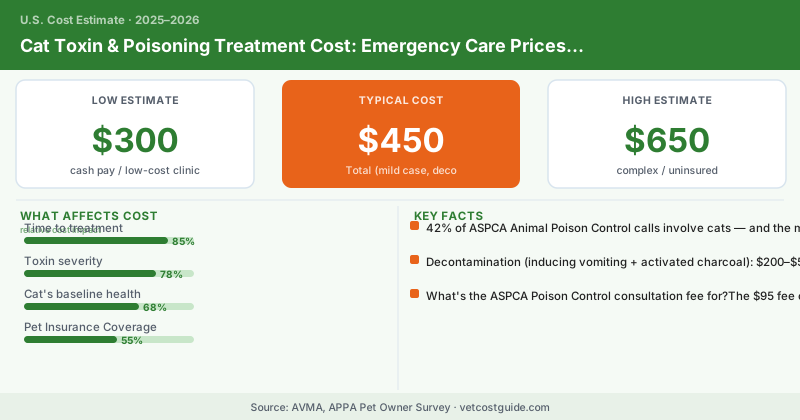
42% of ASPCA Animal Poison Control calls involve cats — and the most common culprits aren’t exotic chemicals. They’re lilies sitting on a kitchen table, ibuprofen left on a nightstand, and essential oil diffusers in a living room. Treating feline poisoning ranges from a $300 decontamination visit to $3,000+ for multi-day intensive care when organ damage is involved. The toxin matters. The time you act matters more.
- Decontamination (inducing vomiting + activated charcoal): $200–$500
- IV fluid diuresis for kidney-toxic exposures: $800–$1,800 for 48–72 hours
- Liver toxin treatment (hospitalization + supportive care): $1,000–$2,500
- Lily poisoning — the most dangerous for cats — can require 3 days of IV fluids: $1,500–$3,000
- ASPCA Poison Control consultation fee: $95 (valid for the entire case)
Poisoning Treatment Cost Breakdown
| Treatment Type | Low | Average | High |
|---|---|---|---|
| Emergency exam + triage | $100 | $175 | $300 |
| Induce vomiting (emesis) | $75 | $125 | $200 |
| Activated charcoal administration | $50 | $85 | $150 |
| IV catheter + fluid therapy (24 hrs) | $400 | $700 | $1,000 |
| Extended hospitalization (48–72 hrs) | $800 | $1,400 | $2,200 |
| Kidney function bloodwork (serial) | $150 | $250 | $400 |
| Liver enzyme monitoring | $150 | $225 | $375 |
| Antidote (if available, e.g. Vitamin K) | $50 | $150 | $300 |
| Total (mild case, decontam only) | $300 | $450 | $650 |
| Total (severe, multi-day hospitalization) | $1,200 | $2,200 | $3,500 |
The Toxins That Cost the Most to Treat
Not all poisons are created equal. What your cat was exposed to determines the treatment protocol — and the bill.
Lilies are the most expensive scenario. True lilies (Easter lily, Tiger lily, Daylily) cause acute kidney failure in cats. There’s no antidote. Treatment is aggressive IV fluid diuresis for 48–72 hours to flush the toxin and support kidney function. Even a small amount — a few pollen grains, a leaf, water from the vase — is enough to trigger severe damage. If treatment starts within 6 hours of exposure, survival rates are good. After 24 hours with symptoms, the prognosis drops sharply.
NSAIDs (ibuprofen, naproxen) cause gastrointestinal ulceration and kidney failure in cats. Cats lack the liver enzymes to metabolize these drugs safely. Treatment involves IV fluids, gut-protective medications, and sometimes blood transfusions in severe cases.
Permethrin (found in some dog flea products) causes severe neurological symptoms in cats — tremors, seizures, hyperthermia. Treatment is muscle relaxants, cooling, and supportive hospitalization, typically costing $600–$1,800.
Acetaminophen (Tylenol) is acutely toxic to cats. It destroys red blood cells and causes liver failure. N-acetylcysteine antidote therapy plus hospitalization runs $500–$2,000.
Essential oils — tea tree, eucalyptus, and peppermint especially — can cause neurological and liver problems with prolonged exposure, particularly from diffusers in small rooms.
What Drives Cost Up or Down
Time to treatment. This is the biggest variable. A cat brought in within 1–2 hours of exposure may only need decontamination — vomiting induction and activated charcoal — if the substance hasn’t been absorbed yet. Wait 12 hours and the same exposure may require multi-day hospitalization for organ support.
Toxin severity. Some substances have antidotes (Vitamin K for rodenticide, N-acetylcysteine for acetaminophen). Others require only supportive care. Toxins with no antidote and slow organ-damage mechanisms are the most expensive because they require extended hospitalization.
Cat’s baseline health. Senior cats or those with pre-existing kidney or liver disease are harder to stabilize and may need longer stays. According to AAHA wellness guidelines, cats over 7 years old often have early-stage organ changes that complicate treatment.
Don’t wait for symptoms before calling for help. Many cat toxins — particularly lily, permethrin, and NSAIDs — cause delayed symptoms. Your cat may seem fine for 12–24 hours before showing signs of kidney or liver failure. If you know or suspect exposure, call your vet or the ASPCA Animal Poison Control Center (888-426-4435) immediately. Early decontamination is dramatically cheaper than treating the downstream damage.
Paying for Emergency Poisoning Treatment
Feline poisoning treatment is one of the clearest cases for pet insurance. Accident-and-illness policies cover toxin exposure under the accident category, meaning even same-day coverage applies — as long as the policy was active before the incident. A $2,000 lily-poisoning case with an 80% reimbursement rate and $250 deductible puts $1,400 back in your pocket.
Without insurance, ask about CareCredit at intake. Most emergency hospitals accept it, and the 6-month no-interest promotional period means you can break a $2,000 bill into manageable payments without interest if you pay it off within the window.
Frequently Asked Questions
Can I treat cat poisoning at home? No. Do not try to induce vomiting at home in cats — unlike dogs, cats don’t respond reliably to home remedies, and forcing vomiting can cause aspiration or additional harm. You also cannot administer activated charcoal safely at home. Get your cat to a vet immediately.
Which common houseplants are toxic to cats? Lilies (all true lily species) are the most dangerous. Others include sago palm (severe liver failure), tulip bulbs, azalea, and pothos. The ASPCA maintains a full toxic plant database at aspca.org/pet-care/animal-poison-control.
What’s the ASPCA Poison Control consultation fee for? The $95 fee connects you with board-certified veterinary toxicologists who give real-time guidance to your vet on treatment protocols for specific exposures. It’s valid for the full duration of the case and often changes the treatment plan in ways that reduce total cost.
Frequently Asked Questions
Cat poisoning treatment typically costs $300–$1,500 for emergency decontamination and diagnostics, but can reach $3,000+ if your cat requires multi-day hospitalization, IV fluids, or organ support. The final bill depends heavily on the toxin type, how quickly you seek care, and whether organ damage has already occurred.
Most pet insurance plans cover accidental poisoning if you have active coverage before the incident occurs, typically reimbursing 70–90% of eligible treatment costs after your deductible ($250–$500). However, many policies exclude intentional poisonings or treatments for pre-existing conditions, so check your specific policy terms before an emergency happens.
Call your veterinarian or ASPCA Animal Poison Control (888-426-4435) immediately—do not wait for symptoms to appear, as early decontamination within 2–4 hours can prevent serious organ damage and significantly reduce treatment costs. Have the toxin name or product label ready when you call, as this information determines whether vomiting induction or activated charcoal is safe.