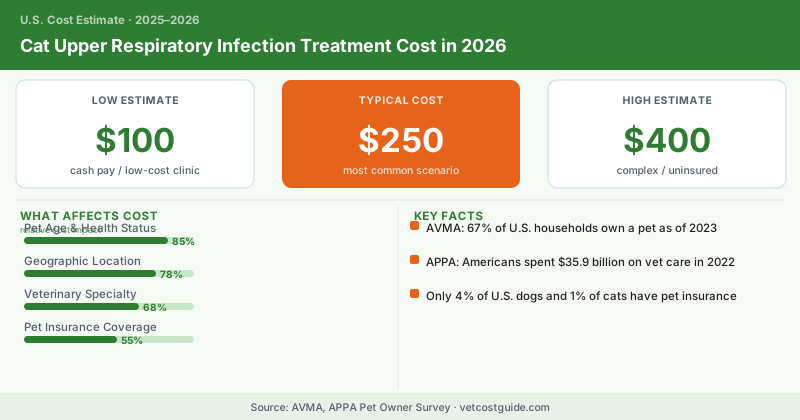
Your cat sneezed three times before breakfast, and now there’s a crust of dried discharge around her nose. By afternoon she’s not interested in food and her eyes look glassy. A trip to the vet for what looks like a cold usually runs $100–$400 for an uncomplicated case, but that number can jump to $800–$2,500 or more if she needs to be hospitalized.
Upper respiratory infections (URIs) are one of the most common reasons cats end up at the vet, especially cats who came from shelters or multi-cat homes. The Cornell Feline Health Center notes that feline herpesvirus-1 and calicivirus are responsible for the large majority of these infections, and once a cat is exposed to herpesvirus, it stays latent in the body for life — meaning flare-ups can recur during times of stress. ASPCA shelter medicine data also shows URIs affecting a substantial share of cats at shelter intake, which is why newly adopted cats often come down with symptoms within the first week or two at home.
What a routine URI visit costs
For a cat that’s eating, drinking, and just has sneezing, discharge, or mild congestion, treatment is usually straightforward:
| Service | Low Cost | High Cost | Notes |
|---|---|---|---|
| Exam + diagnosis | $50 | $90 | Includes physical exam |
| Antiviral or antibiotic meds | $25 | $80 | Depends on medication |
| Eye/nasal treatment (if needed) | $20 | $50 | Ointment or drops |
| Follow-up recheck | $40 | $70 | If symptoms persist |
Most mild-to-moderate cases resolve in 7–10 days with supportive care: keeping the nose and eyes clean, encouraging eating with warmed, aromatic food, and sometimes a short course of antiviral medication like famciclovir if herpesvirus is strongly suspected.
When it gets expensive
The cost picture changes fast if your cat stops eating, spikes a fever, or develops trouble breathing. Cats — unlike dogs — rely heavily on smell to want to eat, so a stuffy nose can lead to dangerous appetite loss within a couple of days, especially in kittens or seniors.
- Mild URIs typically cost $100–$400 to treat on an outpatient basis.
- Hospitalized cases with IV fluids and nebulization can run $800–$2,500+.
- Feline herpesvirus stays latent for life, so recurrence is common under stress.
- Kittens and cats not eating for 24+ hours need urgent vet attention.
Hospitalization for a severe URI usually involves IV fluids for dehydration, nebulization treatments to loosen congestion, appetite stimulants, and sometimes a feeding tube if a cat refuses food for several days. That combination pushes bills into the $800–$2,500 range, and complicated cases with pneumonia can go higher.
A cat who hasn’t eaten in 24 hours is a genuine emergency, not something to “wait and see” on. Cats that go without food for even a few days risk a serious liver condition called hepatic lipidosis, which is far more expensive and dangerous to treat than the original URI. Don’t delay care if your cat stops eating.
Why recurrence changes the math
If your cat is a chronic herpesvirus carrier, you’re not just paying for one illness — you’re budgeting for occasional flare-ups over her lifetime. Lysine supplementation (around $10–$20/month) is commonly recommended, though evidence on its effectiveness is mixed. Reducing stress, keeping vaccinations current, and treating flare-ups early tend to matter more than any single supplement.
Vaccination is the best cost-saving tool available. The core FVRCP vaccine, which covers feline herpesvirus and calicivirus, doesn’t guarantee your cat will never get sick, but it significantly reduces the severity of symptoms and the odds of a hospitalization-level case. At roughly $20–$40 per vaccine visit, it’s one of the cheapest forms of insurance against a $1,000+ hospital stay.
Bottom line
Budget $100–$400 for a typical URI treated at home with meds and monitoring. If your cat isn’t improving in 48–72 hours, or stops eating altogether, get her back to the vet — catching a secondary infection or dehydration early is what keeps the bill in the hundreds instead of the thousands.
Frequently Asked Questions
Not always. Most feline URIs are caused by viruses (herpesvirus or calicivirus), which antibiotics don't treat. Vets often prescribe antibiotics anyway to prevent or treat a secondary bacterial infection, especially if there's thick nasal discharge or a fever. If your vet suspects a purely viral case in an otherwise healthy adult cat, they may recommend supportive care first and hold off on antibiotics.
Feline herpesvirus stays dormant in the body for life after the first infection, and stress, boarding, or a new pet in the house can trigger flare-ups. Cats who were adopted from shelters or multi-cat households are especially prone to recurrence. Long-term management with lysine supplements, reduced stress, and prompt treatment of flare-ups can cut down on how often and how severely it recurs.
Yes, highly. Both feline herpesvirus and calicivirus spread through direct contact, shared food bowls, and even sneezed droplets in the air. If you have multiple cats, isolate the sick one, wash your hands between handling cats, and disinfect bowls and bedding. Kittens and unvaccinated cats are at the highest risk of severe disease.