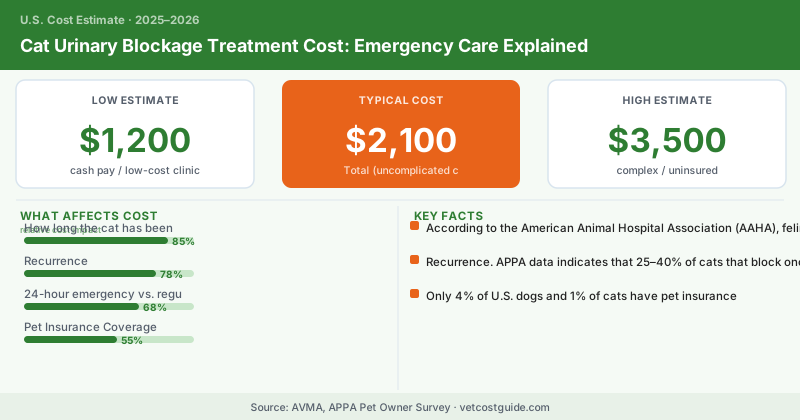
A blocked cat is a dying cat. Male cats can go from straining in the litter box to kidney failure in under 24 hours — and the average emergency treatment bill runs $1,500 to $3,000. It’s one of the most common feline emergencies in the U.S., and it almost always arrives at the worst possible time. Here’s a full breakdown of what you’ll pay and why.
- Emergency treatment for an uncomplicated blockage typically costs $1,200–$2,500, including hospitalization.
- Complicated cases — severely elevated potassium, heart arrhythmias, kidney failure — can push the bill to $3,500–$5,000.
- Cats that block repeatedly (2+ times) are candidates for perineal urethrostomy (PU surgery), which costs $1,500–$3,500 and eliminates most recurrences.
- Without treatment within 24–48 hours of blockage onset, uremic toxins build to fatal levels.
Full Cost Breakdown
| Service | Low | Average | High |
|---|---|---|---|
| Emergency exam + triage | $100 | $175 | $300 |
| Bloodwork (chemistry + electrolytes) | $150 | $225 | $350 |
| Sedation for unblocking | $150 | $250 | $400 |
| Urethral catheterization | $200 | $350 | $500 |
| IV fluids (24–48 hrs) | $250 | $400 | $650 |
| Hospitalization (2–3 nights) | $300 | $600 | $900 |
| Medications (discharge) | $50 | $100 | $200 |
| Total (uncomplicated case) | $1,200 | $2,100 | $3,500 |
| Perineal urethrostomy (PU surgery) | $1,500 | $2,500 | $3,500 |
What Happens at the Emergency Vet
When you arrive with a blocked cat, the team moves quickly. Blood draws come first — the potassium level tells them how critical the situation is. Severely elevated potassium causes dangerous cardiac arrhythmias, so that result dictates whether IV fluids and cardiac support go in before or simultaneously with the unblocking procedure.
Unblocking means passing a urinary catheter through the urethra to dislodge or flush out the obstruction — usually a plug of mineral crystals, mucus, and protein rather than an actual stone. The cat needs sedation for this; it’s painful and stressful. After the catheter is placed, it typically stays in for 24–48 hours to allow the urethra to de-swell while IV fluids flush the kidneys.
According to the American Animal Hospital Association (AAHA), feline lower urinary tract disease (FLUTD) affects 1–3% of cats seen in veterinary practice, with obstructive cases concentrated almost entirely in intact or neutered males. Female cats have wider urethras and rarely block. Purebred cats — Persians especially — have elevated rates.
What Drives the Cost Higher
How long the cat has been blocked. A cat that’s been straining for 6 hours costs far less to treat than one that’s been declining for 48 hours with kidney values in the danger zone. Metabolic complications require longer hospitalization and more intensive support.
Recurrence. APPA data indicates that 25–40% of cats that block once will block again within 6–12 months without dietary and lifestyle changes. Each recurrence means another ER bill. Two blockages in quick succession is typically the threshold at which vets recommend PU surgery.
24-hour emergency vs. regular clinic. Emergency hospitals charge after-hours fees, facility fees, and specialist rates. If your regular vet has daytime hours available and the blockage is caught early, you might save $400–$800 by being seen there rather than at the ER. But don’t delay seeking care to wait for morning — six hours matters with this condition.
Perineal Urethrostomy: The Permanent Fix
PU surgery widens the urethral opening by surgically creating a larger stoma — essentially bypassing the narrow portion of the male cat’s urethra where obstructions form. It doesn’t prevent crystals from forming, but it prevents most of them from blocking the flow.
Success rates are high: over 90% of cats that undergo PU surgery never experience another complete blockage. The procedure costs $1,500–$3,500 depending on your location and whether it’s done at a general practice or specialty hospital. Most cats spend 2–3 nights in the hospital post-surgery.
It’s not risk-free — long-term complications include urinary tract infections (the wider opening allows more bacterial entry) and occasional stricture — but for cats with recurrent blockages, the math usually favors surgery over repeated ER visits.
If your male cat visits the litter box frequently, squats without producing urine, vocalizes in pain, or seems lethargic and uninterested in food, treat it as an emergency and go directly to a vet or 24-hour animal hospital. Do not wait overnight “to see how he does.” A blocked cat that’s too weak to vocalize is already in serious systemic crisis.
Prevention: The $30/Month Strategy
Diet is the single most effective intervention. Cats prone to crystal formation — especially struvite and calcium oxalate — do better on prescription urinary diets ($40–$80/month) and increased water intake. Wet food over dry food is almost universally recommended since it adds hydration passively. Water fountains ($25–$60 one-time cost) can increase daily water consumption by 50% or more in some cats.
Stress management matters too. Indoor cats with territorial conflicts, sudden schedule changes, or inadequate enrichment are more prone to stress-induced FLUTD flares, which can trigger blockages in susceptible males.
Frequently Asked Questions
Can a cat unblock on its own? No. A complete urethral blockage will not self-resolve. Partial obstruction can sometimes pass, but you can’t tell from the outside whether the blockage is partial or complete. Any male cat showing straining without urination should be examined immediately.
How do I know if my cat is blocked versus just constipated? Look at where he’s straining. Cats with urinary blockages strain in the litter box and may produce a few drops of urine or none at all. Constipated cats will strain to defecate. Both are serious — but urinary blockage escalates faster. When in doubt, call your vet.
Does pet insurance cover urinary blockages? Yes, most accident-and-illness policies cover urinary blockages as a medical condition, as long as the cat wasn’t showing symptoms before the policy’s waiting period ended. It’s not considered a pre-existing condition unless there’s a documented history before enrollment.
Frequently Asked Questions
Emergency treatment for an uncomplicated blockage typically costs $1,200–$2,500, while full hospitalization and unblocking ranges from $1,500–$3,000 on average. If your cat has recurrent blockages and requires a perineal urethrostomy (surgical procedure to prevent future obstructions), expect to pay $1,500–$3,500 for that procedure.
Most pet insurance plans cover urinary blockage treatment as an accident or illness claim, though you'll typically pay out-of-pocket at the vet and submit for reimbursement (usually 70–90% after your deductible). Some policies exclude pre-existing conditions or have annual limits, so review your specific plan details before an emergency occurs.
A blocked cat can progress from straining in the litter box to kidney failure in under 24 hours, making this a true emergency requiring immediate veterinary care. Treatment typically involves hospitalization for 2–4 days with catheterization, IV fluids, and monitoring to relieve the blockage and prevent organ damage.