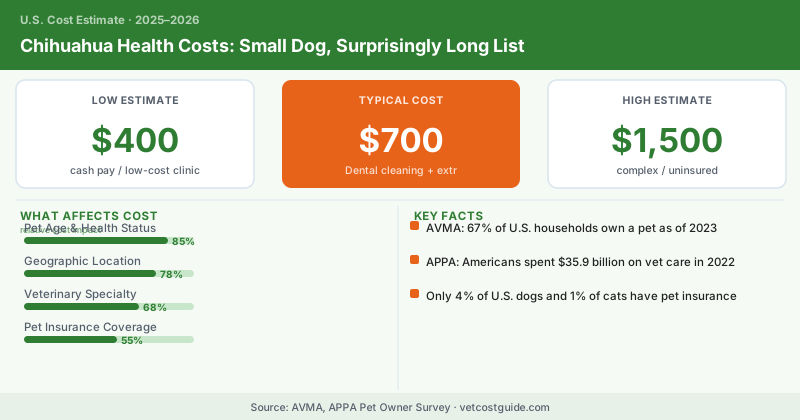
Small dog, small bills? Not exactly. The Chihuahua is one of the longest-lived breeds around — many reach 14 to 18 years — and all those years add up to a lot of dental cleanings, a few likely surgeries, and steady senior care. The single biggest cost surprise for Chihuahua owners is their teeth, and it’s not close.
Let’s walk through what a couple of decades with a Chihuahua actually costs.
- Long lifespans (14–18 years) mean more lifetime care, not less
- Dental disease is the #1 chronic cost — recurring cleanings and extractions
- Luxating patella (slipping kneecap) surgery runs $1,500–$3,000 per knee
- Heart disease and a fragile windpipe round out the breed’s risks
Teeth Are the Real Story
Toy breeds pack a full set of teeth into a tiny jaw, and the crowding leads to early, aggressive periodontal disease. The American Veterinary Dental College notes that the majority of dogs show signs of dental disease by age three, and small breeds like the Chihuahua are hit hardest. Left alone, it causes pain, tooth loss, and bacteria that can affect the heart and kidneys.
Plan on professional teeth cleaning under anesthesia, often yearly in later life, plus extractions when teeth go bad. Over an 18-year lifespan, dental care can easily be the largest single category you spend on.
The Cost Picture
| Condition | Low | High | Typical |
|---|---|---|---|
| Dental cleaning + extractions (per visit) | $400 | $1500 | $700 |
| Luxating patella surgery (per knee) | $1500 | $3000 | $2200 |
| Mitral valve heart disease (yearly meds) | $400 | $1500 | $800 |
| Tracheal collapse management | $300 | $3500 | $1200 |
| Hypoglycemia (puppy/emergency) care | $150 | $1000 | $400 |
| Routine annual care | $250 | $600 | $400 |
Knees, Heart, and Windpipe
Luxating patella — a kneecap that slips out of its groove — is common in toy breeds. Mild cases just need monitoring; worse ones need surgery, sometimes on both knees, which is where the cost climbs. It’s a manageable but real expense, and the surgery has a good success rate when done by an experienced vet.
As Chihuahuas age, many develop mitral valve disease, the most common acquired canine heart condition, which is managed with lifelong medication once it progresses. The breed can also suffer tracheal collapse, where the windpipe weakens and causes a distinctive honking cough — managed medically in most dogs, surgically in severe ones.
The Skull and the Brain
Chihuahuas are the breed most associated with a “molera,” a soft spot in the skull that doesn’t always close. Most are harmless, but the breed also has an elevated risk of hydrocephalus — fluid accumulation in the brain — particularly in the tiniest, apple-headed dogs. It’s uncommon, but it’s a serious and potentially costly diagnosis when it occurs. This is one reason to be wary of breeders pushing “teacup” Chihuahuas; extreme miniaturization tends to come with more health problems, not fewer.
Tiny Chihuahua puppies can crash into dangerous low blood sugar (hypoglycemia) if they miss meals, especially when stressed or chilled. Keep young pups warm, fed on schedule, and know that sudden weakness or wobbliness is an emergency. The dog emergency vet cost range applies here.
The Good News on Routine Care
Here’s the upside: routine care for a Chihuahua is genuinely cheaper than for big dogs. Small body weight means less medication, lower anesthesia costs, and an affordable neuter or spay. Keep vaccinations current and the basic annual vet visit is light on the wallet.
Insurance or Savings?
For a generally hardy small breed, many owners do fine with a dedicated savings buffer rather than insurance — the big surgeries are less catastrophic than giant-breed bills. Still, dental and cardiac costs compound over a long life, so it’s worth comparing. See annual cost of owning a dog to budget realistically across the lifespan.
Budgeting Across a Long Life
The honest way to think about a Chihuahua’s cost isn’t “how much per year” but “how much over 16 or 18 years.” Spread across that span, the routine care is light, but the recurring dental work, the likely heart medication in old age, and the occasional knee surgery quietly add up to a substantial lifetime total. The good news is that most of it arrives gradually and predictably, which makes it easy to plan for if you set a little aside each month rather than scrambling later.
Bottom Line
A Chihuahua is a small investment up front and a long, steady commitment over time. Stay relentless about dental care, watch the knees and heart, protect young pups from low blood sugar, and you’ll likely enjoy this little dog for well over a decade.
Frequently Asked Questions
Professional dental cleanings for Chihuahuas typically cost $300–$900, depending on your location and the complexity of the cleaning. Since Chihuahuas are prone to dental disease, most owners budget for a cleaning every 1–2 years, which adds $150–$450 annually to lifetime care costs.
Most standard pet insurance plans do not cover routine dental cleanings, though some wellness add-ons cost $10–$25 monthly and cover partial cleaning costs. Dental disease that develops as a result of an accident or illness may be covered, but pre-existing dental conditions are typically excluded.
Veterinarians typically recommend the first professional cleaning between ages 2–4, when early tartar buildup becomes visible. Chihuahuas under anesthesia for this procedure recover within 24 hours, and establishing a cleaning schedule early can prevent costly extractions and complications later in their 14–18-year lifespan.