42% of chinchilla owners never take their pet to a vet until something goes wrong — and by then, the bills are rarely small. Chinchillas are exotic animals in veterinary terms, meaning not every practice has the experience to treat them, and those that do typically charge more than a standard dog or cat visit. Add in the species’ notorious susceptibility to dental malocclusion and GI problems, and a realistic annual budget looks very different from what most pet store staff will tell you.
Here’s the real cost picture.
Annual Wellness Care
Chinchillas should see an exotic-knowledgeable vet at least once a year. After age 4, twice yearly is better — dental disease progresses fast and can look totally normal to an untrained eye until it’s already causing pain.
| Service | Low | Typical | High |
|---|---|---|---|
| Wellness exam (exotic vet) | $60 | $90 | $130 |
| Fecal parasite screen | $25 | $40 | $60 |
| Dental check (basic) | $0 | $30 | $60 |
| Radiographs for dental assessment | $100 | $175 | $300 |
| Blood panel (age 4+) | $100 | $160 | $250 |
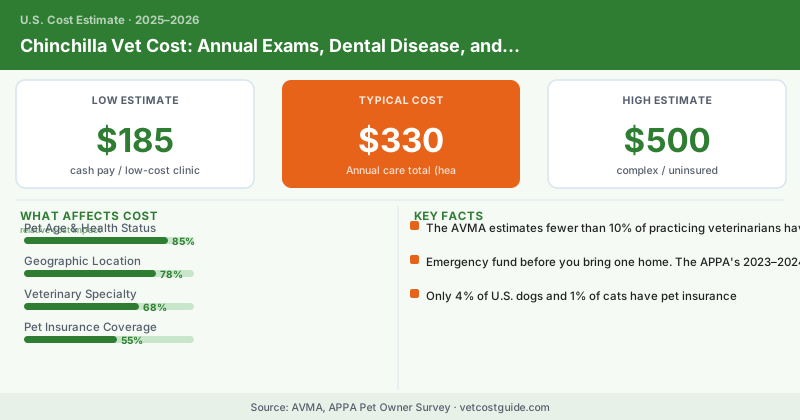
| Annual care total (healthy chinchilla) | $185 | $330 | $500 |
Finding an exotic vet who genuinely knows chinchillas matters. Ask specifically: “Do you regularly treat chinchillas?” A practice that sees mostly dogs and cats won’t reliably catch early dental changes on palpation alone.
Why Chinchilla Vet Costs Run Higher
Chinchillas are classified as exotic animals, and exotic medicine requires specialized training most general vets haven’t pursued. The AVMA estimates fewer than 10% of practicing veterinarians have formal exotic animal training. That scarcity means exotic practices can — and do — charge a premium of $20–$50 per visit over general practice rates.
Chinchillas also have some biology quirks that add to cost. Their teeth grow continuously throughout life, which means dental disease isn’t a one-time treatment — it’s an ongoing management challenge that requires specialized equipment (dental endoscopes, small-mammal tooth files) and skill to diagnose.
- Wellness exam: $60–$130
- Fecal screen: $25–$60
- Basic dental assessment: $0–$60 at wellness visit
- Dental radiographs (if needed): $100–$300
- Blood panel (age 4+): $100–$250
- Emergency fund recommended: $500–$1,000 per year
- Pet insurance (Nationwide exotic): $15–$35/month
The Biggest Cost Driver: Dental Malocclusion
Dental disease is the #1 health problem and #1 cost driver in pet chinchillas. Their teeth grow continuously — both incisors and cheek teeth (molars and premolars) — and if the teeth don’t wear evenly, malocclusion develops. The cheek teeth are particularly tricky because you can’t see them without proper equipment.
Signs of dental disease include drooling (chinchillas are normally fastidiously dry), difficulty chewing hay, weight loss, eye discharge (the roots of the upper cheek teeth sit close to the tear ducts), and pawing at the mouth. By the time these symptoms appear, the malocclusion is usually significant.
| Dental Procedure | Cost Range | Notes |
|---|---|---|
| Dental exam with scope | $100–$300 | Requires specialized equipment |
| Dental radiographs | $100–$300 | Essential for assessing root problems |
| Molar filing/occlusal adjustment | $200–$500 | Requires anesthesia |
| Incisor trim (simple) | $50–$150 | Can sometimes be done without anesthesia |
| Tooth extraction (complicated) | $400–$1,200 | Cheek teeth extractions are complex |
| Repeated adjustments (every 3–6 months) | $200–$500 per session | Chronic cases require ongoing management |
Here’s the frustrating reality: once significant malocclusion is established, it can’t always be fully corrected. You’re often managing it — trimming and adjusting teeth every 3–6 months — rather than curing it. That’s $200–$500 every few months, potentially for the rest of the chinchilla’s life.
Other Common Health Problems and Costs
GI stasis: Chinchillas have sensitive digestive systems. GI slowdown or blockage from inappropriate diet (too little hay, too many treats) or stress can turn serious fast. Treatment includes subcutaneous fluids, gut motility drugs, and supportive care — typically $150–$400 for a straightforward case, more if hospitalization is needed.
Respiratory infections: Chinchillas are susceptible to pneumonia, which can progress rapidly. Treatment requires antibiotics appropriate for the species — some common antibiotics (like amoxicillin) are actually dangerous to chinchillas. Cost: $100–$300 for exam and medication.
Fur ring (in males): A ring of fur can become lodged around the penis, requiring removal under light sedation. Cost: $50–$200.
Heat stroke: Chinchillas overheat easily above 75°F. Emergency treatment for heat stroke runs $200–$600.
| Condition | Diagnostic Cost | Treatment Cost |
|---|---|---|
| GI stasis (mild) | $80–$150 | $100–$250 |
| GI stasis (severe, hospitalized) | $150–$300 | $400–$1,000 |
| Respiratory infection | $80–$150 | $80–$200 (antibiotics) |
| Urinary infection | $80–$150 | $80–$150 |
| Seizure workup | $200–$400 | Depends on cause |
| Heat stroke (emergency) | $150–$300 | $200–$600 |
Anesthesia and Chinchillas
A lot of chinchilla procedures require anesthesia — dental work especially, but also thorough abdominal palpation for GI assessment. Chinchillas carry anesthetic risk higher than dogs and cats. A 2022 review in the Journal of Exotic Pet Medicine noted mortality rates for anesthetized small mammals ranging from 0.5% to 3% depending on the species and procedure type, compared to under 0.1% for healthy dogs.
That doesn’t mean you avoid necessary anesthesia — it means you use a vet experienced with chinchillas and isoflurane protocols designed for small mammals. Anesthesia adds $100–$250 to any procedure.
Never give a chinchilla antibiotics without veterinary guidance. Penicillin-class drugs (amoxicillin, ampicillin) and several other common antibiotics disrupt the chinchilla gut flora and can be fatal. If a vet who doesn’t regularly treat chinchillas reaches for amoxicillin, ask specifically whether the antibiotic is safe for chinchilla GI flora. This is one of the clearest reasons to find a vet with genuine exotic animal experience.
Saving on Chinchilla Vet Care
Hay is the best preventive medicine. Unlimited grass hay (timothy, orchard grass) is the foundation of chinchilla dental health. Pellets should be a small supplement, not the primary diet. Proper diet is the single biggest factor in reducing dental disease risk.
Annual dental radiographs after age 3. Catching early cheek tooth changes before symptoms appear buys you treatment options — early-stage malocclusion is more manageable than late-stage.
Emergency fund before you bring one home. The APPA’s 2023–2024 pet owner survey found that small animal owners spend an average of $300–$500 per year on vet care, but that average masks the high-cost years when dental or GI issues hit. A $500–$1,000 emergency fund is appropriate for a chinchilla.
Exotic pet insurance. Nationwide is the main provider for exotic pets including chinchillas. Premiums run $15–$35/month and can offset the cost of dental procedures and hospitalizations significantly.
Frequently Asked Questions
How long do chinchillas live? With good care, chinchillas typically live 10–15 years — longer than most small mammal pets. That’s 10–15 years of annual (or biannual) exotic vet visits and potential dental management. Factor that into your lifetime commitment.
Do all chinchillas get dental disease? No, but it’s very common — estimates in the veterinary literature suggest 35–50% of pet chinchillas develop some degree of malocclusion during their lives. Diet is a major factor, and many rescues arrive with already-established dental problems.
Can I take my chinchilla to a regular vet? Only if they have genuine chinchilla experience. The specific disease presentations, safe versus dangerous medications, and anesthesia protocols are significantly different from dogs and cats. Ask explicitly before booking.
Frequently Asked Questions
A basic dental exam at an exotic vet runs $60–$130, but treatment for dental disease or malocclusion can range from $500–$3,000 or more depending on severity and whether extractions or other procedures are needed. Emergency dental cases typically fall on the higher end of that range.
Most standard pet insurance plans exclude exotic animals like chinchillas, though a few insurers offer optional exotic pet riders with higher premiums and significant out-of-pocket costs. Many chinchilla owners pay fully out-of-pocket and budget $200–$500 annually for preventive care to avoid expensive emergency bills.
Chinchillas should have annual wellness exams to screen for common issues like dental malocclusion and GI problems, with costs of $60–$130 per visit at an exotic specialist. If dental disease or other conditions are detected early during routine exams, treatment costs are typically lower than waiting until an emergency develops.