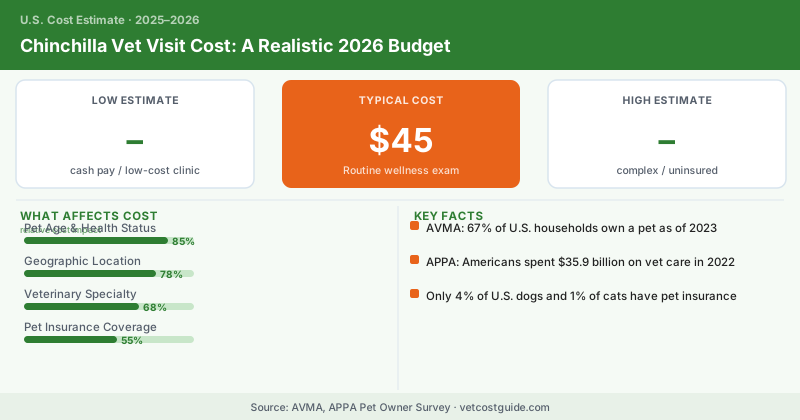
How much does a chinchilla vet visit really cost? Less than you’d think for routine care, and considerably more the moment dental problems show up — which, for this breed, is a matter of when, not if. Routine chinchilla vet visits run $45–$120, while dental issues, the single most common chinchilla health problem, can push individual treatments to $150–$500.
Chinchillas are long-lived for their size, commonly reaching 10–15 years with good care, which means their veterinary needs stretch across a much longer ownership period than hamsters or gerbils. That longevity is part of the appeal — and part of why lifetime cost planning matters more than a single visit estimate.
What routine and dental visits cost
| Service | Typical Cost | Notes |
|---|---|---|
| Routine wellness exam | $45–$90 | Annual, exotic-experienced vet recommended |
| Dental exam/trim | $75–$200 | Often needs sedation |
| Malocclusion correction (severe) | $200–$500 | May require repeat treatments |
| Heatstroke emergency treatment | $200–$600 | Preventable with proper temperature control |
| Fur ring removal (males) | $50–$150 | Common minor procedure |
Why dental problems dominate the cost picture
Chinchilla teeth grow continuously throughout their entire life — a trait shared with rabbits and guinea pigs. A proper high-fiber diet of quality hay wears the teeth down naturally, but genetics, an insufficient-fiber diet, or bite misalignment can cause overgrowth or spurs that dig painfully into the cheeks and tongue. Left untreated, a chinchilla will stop eating due to pain, which quickly becomes a medical emergency on top of the original dental problem.
Treating malocclusion typically requires sedation for the vet to file or trim the teeth safely, and severe cases often need repeat treatments every few months for the rest of the chinchilla’s life. This is the single biggest recurring cost category for this species.
- Routine chinchilla exams cost $45–$120; dental issues are the most common and most expensive problem.
- Continuously growing teeth mean dental problems can recur throughout a chinchilla’s 10–15 year lifespan.
- Heatstroke is a serious, largely preventable emergency risk — keep ambient temperature below 75°F.
- An exotic-experienced vet is essential; general small-animal vets may lack chinchilla-specific training.
The heat sensitivity nobody warns you about
Chinchillas evolved in the cool, dry climate of the Andes Mountains and have extremely dense fur — around 60 hairs per follicle, among the densest of any mammal — that traps heat efficiently. That’s fantastic insulation in their native habitat and a serious liability in a warm American living room. Temperatures above 75-80°F put chinchillas at real risk of heatstroke, a genuine emergency that can be fatal without prompt treatment.
- Keeping a chinchilla’s enclosure in a warm room. Air conditioning isn’t optional in most U.S. climates for at least several months a year — heatstroke is preventable and expensive to treat after the fact.
- Feeding too many treats and not enough hay. A diet light on fiber accelerates dental problems — unlimited quality hay should be the foundation of every chinchilla’s diet.
- Missing early signs of dental pain. Reduced appetite, drooling, or dropping food while trying to eat are early red flags — catching malocclusion early is cheaper and less invasive than treating an advanced case.
Planning for the long haul
Because chinchillas live so long, budgeting for veterinary care means thinking in decades, not just the first year. A reasonable annual budget of $100–$250 for routine wellness and preventive dental monitoring, with a reserve for occasional dental treatment or an emergency, keeps you prepared across your chinchilla’s full lifespan without unpleasant surprises.
Frequently Asked Questions
Chinchilla teeth grow continuously throughout their lives, and if their diet or bite alignment doesn't wear the teeth down evenly, they develop painful overgrowth or malocclusion that requires professional trimming or filing under anesthesia. This is one of the most common and most expensive chinchilla health issues, often requiring repeat treatment throughout their life.
Pet chinchillas commonly live 10–15 years or longer with proper care, significantly longer than many small mammals, which means their lifetime veterinary costs accumulate over a much longer period. Owners should budget for ongoing dental monitoring and age-related care across a decade or more, not just the first few years.
Yes, chinchillas are highly sensitive to heat and humidity due to their dense fur, originally adapted for cold, dry Andean mountain environments, and can develop life-threatening heatstroke at temperatures many other pets tolerate easily. Emergency treatment for heatstroke can run $200–$600 and is largely preventable by keeping the ambient temperature below 75°F.