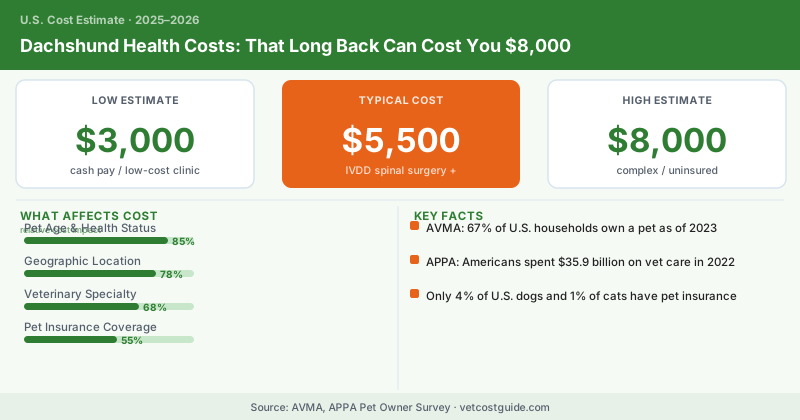
Sarah’s 5-year-old Dachshund jumped off the couch one morning and couldn’t use his back legs by lunch. The diagnosis: a ruptured spinal disc. The surgery and aftercare came to just over $7,000. Her story isn’t rare — it’s almost a rite of passage for this breed. Roughly 1 in 4 Dachshunds develops intervertebral disc disease at some point, the highest rate of any breed.
That long, low body you adore is the central health and cost story here.
- IVDD (disc disease) is the defining risk — surgery costs $3,000–$8,000
- About 25% of Dachshunds are affected during their lifetime
- Dental disease, obesity, and eye problems add steady costs
- Keeping your doxie lean and protecting that spine prevents the worst bills
IVDD: The $8,000 Problem
The Dachshund’s elongated spine and the cartilage type bred into the breed make discs prone to rupturing. When a disc herniates and presses on the spinal cord, you can get anything from pain to full hind-end paralysis. Mild cases are managed with strict crate rest and medication. Severe cases need emergency MRI imaging and surgery, fast — the longer the cord is compressed, the worse the odds of walking again.
Sudden back pain, a hunched posture, dragging back legs, or refusing to jump are IVDD red flags. This is time-sensitive. The window for the best surgical outcome can be measured in hours, so know your nearest emergency hospital and the dog emergency vet cost range before you ever need them.
The Cost Picture
| Condition | Low | High | Typical |
|---|---|---|---|
| IVDD spinal surgery + MRI | $3000 | $8000 | $5500 |
| Conservative IVDD management | $500 | $2000 | $1000 |
| Dental disease treatment/extractions | $400 | $2000 | $900 |
| Eye (PRA/cataract) workup + care | $500 | $3000 | $1500 |
| Obesity-related care (yearly) | $200 | $800 | $400 |
| Routine annual care | $300 | $700 | $450 |
Protect the Spine
A lot of IVDD is genetic, but you can stack the odds in your favor. Keep your Dachshund lean — every extra pound loads that spine. Discourage jumping on and off furniture, use ramps, and support the back end when you lift (never dangle a doxie like a sausage). These habits are free and they matter.
Obesity is a double threat: it strains the spine and worsens nearly everything else. This is one breed where the food scoop is a medical instrument.
Teeth and Eyes
Small dogs get dental disease, and Dachshunds are no exception. Crowded teeth and tartar lead to extractions if you let them slide, so budget for regular teeth cleaning. Over a long Dachshund lifespan — many reach 12 to 16 years — dental care becomes one of the bigger cumulative costs. On the eye front, the breed carries some progressive retinal atrophy and cataract risk, especially in certain coat varieties, and the dapple (merle) coloring is linked to additional eye and hearing problems.
Other Costs to Plan For
Dachshunds are also prone to obesity-driven issues beyond the spine — the breed has an above-average risk of diabetes and Cushing’s disease as it ages, both of which mean lifelong medication and monitoring. Diabetes alone can run well over a thousand dollars a year once you factor in insulin, syringes, special diets, and the bloodwork to keep dosing accurate. These aren’t dramatic emergencies, but they’re steady, ongoing expenses that a long-lived breed makes more likely.
There’s a behavioral cost too. Dachshunds were bred to hunt badgers underground, so they’re tenacious and sometimes prone to escape or confront larger animals — keep that in mind around bigger dogs and unsecured yards.
Don’t Skip the Basics
Routine care is comparatively affordable for a small dog. Keep vaccinations current, get an annual exam, and handle the spay or neuter on schedule.
The Insurance Math
Here’s where it gets interesting. A single IVDD surgery can dwarf a decade of premiums, and the breed’s high incidence means insurers expect these claims. If you enroll early — before any back episode — insurance can be a genuinely smart bet for a Dachshund. Run the numbers in is pet insurance worth it.
When to Choose Conservative Care
Not every disc episode means surgery. Many milder IVDD cases respond to strict crate rest, anti-inflammatory medication, and time — a fraction of the surgical cost. The catch is that “strict rest” really means strict: weeks of confinement, leashed bathroom trips only, and no jumping or stairs. Owners who cut corners on rest often end up needing surgery anyway. So the cheaper path exists, but it demands discipline and a vet’s guidance on which cases are safe to manage that way versus which need imaging and an operation right now.
Bottom Line
A Dachshund is a big personality in a small, structurally fragile package. Keep it lean, protect that back, fund the possibility of spinal surgery, and you’ll handle the breed’s biggest curveball. Most doxies live long, happy lives — the prepared owners just sleep better.
Frequently Asked Questions
IVDD surgery typically ranges from $3,000 to $8,000, depending on the severity of the disc rupture, your location, and whether imaging (MRI) and advanced diagnostics are included. Many owners also face additional costs of $1,000–$2,000 for post-operative care, physical therapy, and medications during the 6–8 week recovery period.
Most pet insurance plans cover IVDD surgery if you enrolled before symptoms appeared, though many policies exclude or limit coverage for breed-specific conditions like disc disease in Dachshunds. You can expect to pay 10–20% out-of-pocket after insurance (typically $600–$1,600) depending on your deductible, co-insurance, and plan limits.
Conservative management—including strict crate rest (4–6 weeks), NSAIDs, muscle relaxants, and corticosteroids—costs $800–$1,500 and works for mild cases, but success rates drop significantly for severe paralysis. Surgery offers the best long-term outcome for regaining mobility, though recovery requires 6–8 weeks of restricted activity and sometimes ongoing physical therapy costing $50–$100 per session.