Pixie ears, huge eyes, a curly coat soft as suede — the Devon Rex looks like a cartoon, and that’s exactly why people adore them. The same mutations that produce that elfin look, though, come bundled with some real health risks. Lifetime care for a Devon Rex runs $9,000 to $15,000, and a few of those costs are specific to this breed alone.
Devon Rex cats emerged from a curly-coated mutation in England in the 1960s and were developed into a recognized breed over the following decades. They’re playful, monkey-like, and intensely social. They also carry an inherited muscle disorder you won’t find in most other cats.
The breed-specific health risks
The standout is hereditary myopathy (sometimes called “spasticity”), a muscle weakness disorder documented specifically in Devon Rex. It’s testable. They also carry elevated HCM (heart disease) risk, congenital hypotrichosis (patchy baldness and fragile skin), and the same urticaria pigmentosa skin condition seen in related curly-coated breeds. Their fine coat offers little protection, so skin and ear issues are common.
| Condition | Low | High | Typical |
|---|---|---|---|
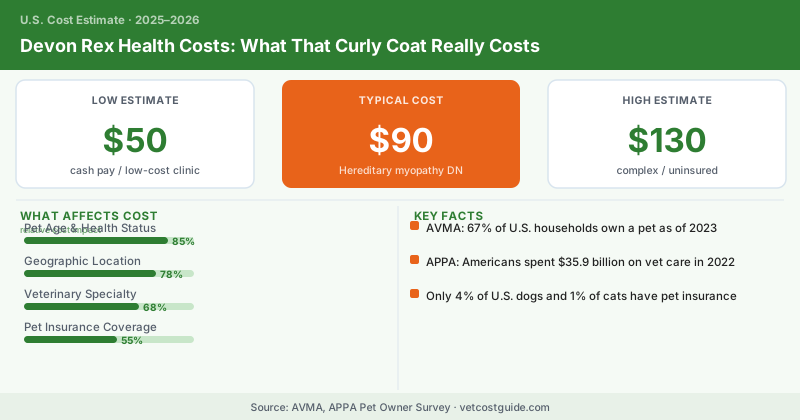
| Hereditary myopathy DNA test | $50 | $130 | $90 |
| Myopathy lifetime management | $800 | $4000 | $2000 |
| HCM cardiac echo screening | $400 | $900 | $600 |
| HCM lifetime treatment | $1500 | $5500 | $3000 |
| Skin/ear condition care | $300 | $1500 | $800 |
| Dental & routine care (lifetime) | $3500 | $7000 | $5000 |
A Devon Rex with HCM faces the familiar chronic-care road — recheck echocardiograms and daily medication for years. And because the breed can develop heart disease relatively young, those costs compound over more of the cat’s life.
The high-maintenance coat and skin
That curly coat is sparse and fragile. Devons can develop bald patches, oily skin buildup (since there’s little fur to absorb the oil), and waxy ear discharge that needs regular cleaning. None of this is catastrophic on its own, but it adds up to more grooming-related vet attention than an average cat. Many Devons need routine ear cleaning and occasional skin treatment throughout their lives.
- Lifetime vet care for a Devon Rex runs $9,000–$15,000.
- Hereditary myopathy is breed-specific and DNA-testable — demand parent results.
- HCM is a major concern and can appear young; screening echos are essential.
- The delicate coat means ongoing skin and ear maintenance costs.
Spending smart
Before buying: only consider breeders who DNA-test for hereditary myopathy and echo-screen for HCM, with records to prove it. The myopathy test is under $130 — skipping it is inexcusable for a serious breeder.
After buying: insurance is a strong move given the heart and muscle risks, especially since both can show up young. Lock in coverage before any condition is documented. Weigh it with is pet insurance worth it and compare pet insurance cost per month.
Watch for a young Devon Rex that tires easily, holds its head low, or struggles to swallow — these can be signs of hereditary myopathy. Early diagnosis lets you manage it; ignoring it risks dangerous complications. Bring it up at your next average vet visit cost checkup.
The yearly rhythm
Kitten care covers cat vaccination cost and a cat spay cost or neuter. Adult years bring annual exams, dental cleanings, and the ongoing ear and skin upkeep this breed demands.
The everyday upkeep that adds up
Devons run hot and lean, so like other sparse-coated cats they eat more than you’d expect for their size and appreciate a warm spot or a sweater in winter. Their skin produces oil that the thin coat can’t absorb, so periodic bathing and frequent ear cleaning become part of the routine — skip it and you’re treating yeast infections or waxy ear buildup at the clinic instead. These are small, recurring costs, but over 12 to 15 years they’re a meaningful slice of the total.
The smart-money angle is screening timing. Because both the muscle disorder and HCM can appear in young cats, this is a breed where you want clean DNA results and a baseline heart echo before any problem has a chance to hide as a pre-existing condition on an insurance policy. Buy screened, insure early, and you convert two of the scariest unknowns into manageable line items.
Compared to the typical annual cost of owning a cat, a Devon Rex runs above average — mostly the skin maintenance and the heart monitoring. Test the parents, screen for HCM, and keep a CareCredit for vet bills account ready for the unexpected. This little clown of a cat is worth every penny to the people who love them — just budget for a higher-maintenance companion.
Frequently Asked Questions
Pre-breeding genetic screening for Devon Rex cats typically costs $200–$500 per cat and tests for hereditary myopathy and hypertrophic cardiomyopathy. Many responsible breeders perform this screening to reduce the risk of passing on costly health conditions to offspring.
Most pet insurance plans cover HCM diagnosis and treatment, but pre-existing conditions are excluded and hereditary conditions may have waiting periods of 14–30 days. You can expect out-of-pocket costs of $1,500–$3,000 annually for heart condition management after your deductible and co-insurance.
A Devon Rex should have its first cardiac ultrasound (echocardiogram) between 6 months and 1 year of age, costing $400–$800, with follow-up screening every 1–2 years after age 4. Early detection of hypertrophic cardiomyopathy allows for medication management starting around $30–$60 monthly to slow disease progression.