42% of small-breed dogs will deal with anal gland problems at some point, and a chunk of those go past simple “scooting” into a genuine infection. When that happens, you’re looking at $150 to $800 to treat it — and if it progresses to an abscess that bursts, more. The good news is that an infection caught early is cheap; the bad news is that owners often don’t notice until it’s painful and pricey.
This is the medical, infection-focused side of anal gland trouble — distinct from the surgical removal some chronic dogs eventually need. Let’s break down what an infection actually costs to treat.
- Early infection (expression, flush, oral antibiotics): $150–$400
- Abscess treatment (lancing, sedation, flush, meds): $300–$800
- Ruptured abscess with wound care: $500–$1,200
- Chronic/recurrent cases may eventually need surgery: $700–$2,500
- Anal sac disease is one of the most common reasons small and toy breeds see the vet, with Cocker Spaniels, Chihuahuas, and Miniature Poodles overrepresented
- The progression goes impaction → infection → abscess → rupture, and each stage costs more than the last
- Overweight dogs and those with chronic soft stool or allergies are more prone to recurring infections
Anal Gland Infection Treatment Cost by Stage
| Item | Low | High | Typical |
|---|---|---|---|
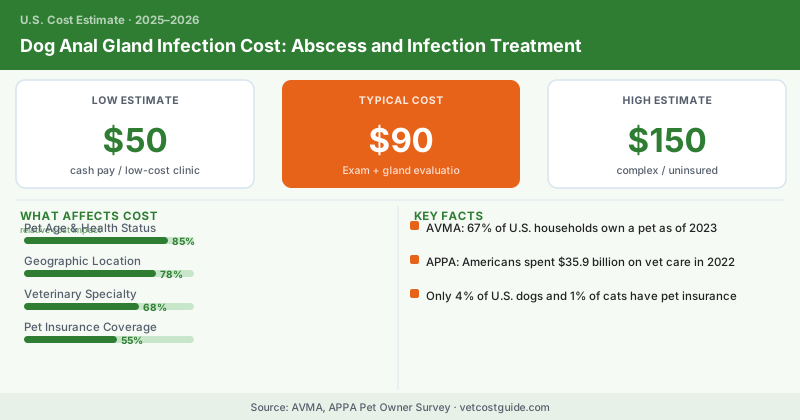
| Exam + gland evaluation | $50 | $150 | $90 |
| Manual expression + flush | $30 | $90 | $55 |
| Oral antibiotics (course) | $30 | $120 | $60 |
| Anti-inflammatory/pain meds | $25 | $90 | $50 |
| Abscess lancing + sedation | $200 | $500 | $350 |
| Wound care for ruptured abscess | $150 | $700 | $350 |
| Infusion of meds into gland | $50 | $150 | $90 |
| Recheck visit | $40 | $150 | $80 |
How an Infection Starts and Escalates
A dog’s anal glands are supposed to empty naturally. When they don’t, fluid backs up, thickens, and bacteria move in — that’s the infection. Caught here, the fix is straightforward: your vet expresses and flushes the glands, sometimes infuses antibiotics directly, and sends you home with oral meds. A couple hundred dollars and your dog feels better in days.
Ignore it, and the infection walls off into an abscess — a painful pocket of pus. Now your dog needs sedation, the abscess gets lanced and flushed, and recovery takes longer. If the abscess ruptures through the skin first (you’ll see blood and pus near the rear), it’s an open wound needing daily care, and the cost jumps again.
Spotting It Before It’s an Abscess
The early warning signs are easy to miss or misread. Scooting the rear along the floor, excessive licking under the tail, a foul fishy smell, or sudden discomfort sitting down all point to anal gland trouble. Many owners assume scooting means worms; often it’s the glands.
If you catch these signs and get your dog seen promptly, you stay in the cheap end of the range. Wait until your dog is hunched, painful, and feverish, and you may be heading to the dog emergency vet for an abscess that’s already burst.
When Infections Keep Coming Back
Some dogs get one infection and never another. Others get them repeatedly — and that pattern matters financially. A dog with three or more infections in a year is a candidate for surgical removal of the glands, which permanently solves the problem but costs more upfront. If you’re in that boat, weigh the running total of repeated infection treatments against a one-time surgery.
Underlying causes worth addressing to break the cycle: obesity, food allergies, and chronically soft stool. Fixing those can be cheaper than treating infection after infection.
Keeping the Cost Low
- Learn the early signs and act on them — early infection is a fraction of abscess cost
- Address the root cause — weight, diet, and allergies drive recurrence
- Don’t let groomers be your only check — a vet can catch an infection a groomer’s routine expression misses
- Consider regular expression for chronic dogs to head off infections before they start
- Use CareCredit for vet bills if an abscess case stretches the budget
Most anal gland infections cost only modestly more than a standard average vet visit, and pet insurance generally covers them as illnesses. If your dog is a chronic offender, our is pet insurance worth it guide can help you decide whether coverage pays off for recurring problems like this one.
Frequently Asked Questions
Basic infection treatment typically costs $150–$400 for an office exam, antibiotics, and manual expression. If the infection progresses to an abscess that requires drainage or surgical intervention, costs jump to $500–$800 or higher, especially if the abscess has ruptured and needs wound care.
Most pet insurance plans cover anal gland infections as they are considered medical conditions, though you'll typically pay 10–30% out-of-pocket after your deductible is met. However, some policies exclude chronic or recurring anal gland issues, so review your specific plan terms before treatment.
Some dogs experience one infection and never have it again, while others (especially small breeds) develop recurring problems that may require regular manual expression at home or quarterly vet visits costing $50–$150 each. Increasing dietary fiber and maintaining a healthy weight can reduce recurrence risk, but chronic cases may eventually require surgical removal of the glands for $800–$1,500.