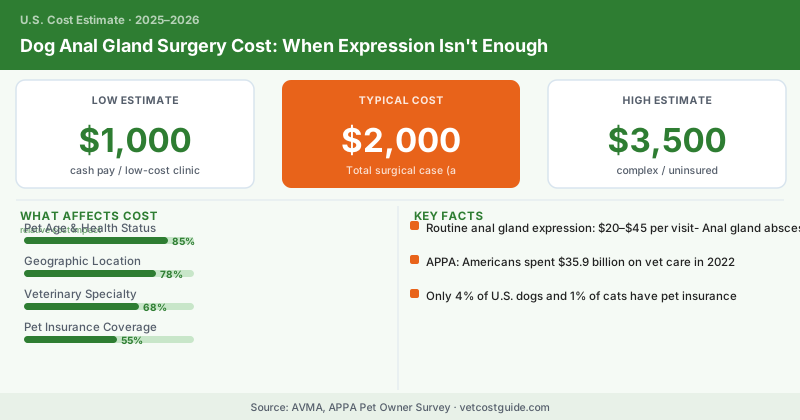
Most dogs need their anal glands expressed every few months — a $20–$45 groomer visit or quick vet stop. But a subset of dogs get chronic impactions, infections, or abscesses so severe that the only lasting fix is surgical removal of the glands entirely. That’s when the $25 grooming appointment turns into a $1,500 operating room bill.
- Routine anal gland expression: $20–$45 per visit
- Anal gland abscess treatment (lancing + antibiotics): $200–$600
- Anal sacculectomy (surgical removal of both glands): $700–$2,500
- Small and toy breeds are disproportionately affected — Cocker Spaniels, Miniature Poodles, Chihuahuas, and Basset Hounds top the list
- AVMA data indicates anal gland disease is one of the most common reasons for veterinary visits in small-breed dogs, accounting for roughly 4% of all canine appointments
- Surgery is considered when a dog has 3+ impactions or infections in a 12-month period, or develops a fistula or recurrent abscess
Anal Gland Treatment Cost by Stage
| Service | Low | Average | High |
|---|---|---|---|
| Routine expression (groomer) | $20 | $30 | $45 |
| Vet expression (internal) | $35 | $55 | $90 |
| Anal gland flush + antibiotics (mild infection) | $100 | $200 | $350 |
| Abscess lancing + sedation | $200 | $400 | $600 |
| Oral antibiotics (2–3 week course) | $40 | $80 | $150 |
| Anal sacculectomy (both glands) | $700 | $1,400 | $2,500 |
| Anesthesia + monitoring | $200 | $350 | $600 |
| Post-op pain meds + E-collar | $50 | $100 | $175 |
| Follow-up recheck | $50 | $100 | $200 |
| Total surgical case (all-in) | $1,000 | $2,000 | $3,500 |
Why Some Dogs Need Surgery
Anal glands are small scent glands on either side of a dog’s anus. They’re supposed to express naturally when the dog defecates. In many small dogs, they don’t. The fluid accumulates, thickens, and becomes a breeding ground for bacteria.
The progression looks like this:
Impaction → Infection → Abscess → Fistula
Each step is more painful and more expensive than the last. A dog at the impaction stage gets expressed and goes home. A dog with an abscess needs sedation, lancing, flushing, and antibiotics. A dog with a fistula — a tunnel that’s bored through the skin — needs surgery regardless.
Surgery (anal sacculectomy) removes both anal glands entirely. Once they’re gone, they can’t impact, infect, or abscess. It’s the only curative option.
What the Surgery Actually Involves
Anal sacculectomy is performed under general anesthesia. The surgeon dissects each sac free from surrounding tissue — carefully, because the external anal sphincter runs directly adjacent. The procedure takes 45–90 minutes for both glands.
Risk of complications: fecal incontinence is the most significant risk, caused by damage to the sphincter or its nerve supply. In experienced hands, the permanent incontinence rate is under 5%. Temporary incontinence (lasting days to weeks post-op) is more common — around 15–20%. This risk is one reason vets don’t rush to surgery; it’s reserved for dogs with recurring disease.
Who Needs Surgery?
Your vet will likely recommend surgery if your dog has:
- 3 or more impactions or infections in a rolling 12-month period
- A ruptured abscess that keeps recurring despite antibiotics
- An anal fistula (persistent opening in the skin near the anus)
- Adenocarcinoma (anal sac cancer) — in which case removal is urgent and the staging workup adds $500–$1,500
The surgery decision is also influenced by your dog’s response to dietary management. High-fiber diets (adding pumpkin or a fiber supplement) naturally firm up stools and improve natural expression for many dogs, reducing or eliminating recurrences without surgery. Some dogs never need surgery after dietary changes.
Dietary Management: A Low-Cost Alternative for Mild Cases
Before committing to surgery, most vets try:
- Increased dietary fiber (pumpkin puree, psyllium husk): $10–$20/month
- Prescription high-fiber diet: $60–$90/month
- More frequent expression (every 4–6 weeks): $20–$45/visit
If these measures reduce impaction frequency from monthly to twice per year, surgery may not be necessary. If they don’t work within 3–4 months, surgery is typically the next step.
Never attempt to express your dog’s anal glands yourself at home unless a veterinary technician has shown you the internal technique. External home expression is often ineffective and can cause injury. If your dog is scooting frequently, licking at their rear, or you notice swelling near the anus, that’s a vet visit — not a grooming appointment.
Does Pet Insurance Cover Anal Gland Surgery?
Routine expression is not covered — it’s maintenance, like nail trims. However, anal sacculectomy for chronic disease, abscess, or fistula is a surgical procedure and is covered by most comprehensive policies. Adenocarcinoma-related surgery is covered as a cancer procedure.
Fetch, Trupanion, Nationwide, and Embrace all cover anal gland surgery as a medical/surgical procedure once a diagnosis is established and waiting periods are satisfied.
What to Expect After Surgery
Most dogs go home the same day. Expect:
- E-collar for 10–14 days to prevent licking the incision
- Soft food for the first few days to reduce straining
- Oral antibiotics: 7–14 days
- Activity restriction: 2–3 weeks
- Follow-up recheck: 10–14 days post-surgery
Recovery is straightforward for most dogs. The vast majority of owners report that their dogs are noticeably more comfortable — no more scooting, no more licking, no more monthly vet trips.
The Bottom Line
Anal gland surgery costs $1,000–$3,500 all-in and is the right call for dogs with chronic disease that isn’t responding to dietary management and regular expression. If you’re spending $40/month on expression visits plus $300–$600/year on infections, surgery often pays for itself within 2–3 years — and eliminates a significant source of daily discomfort for your dog.
Frequently Asked Questions
Dog anal gland surgery (sacculectomy) typically costs $700–$2,500, depending on your location, veterinary clinic, and whether complications arise during the procedure. This is significantly higher than routine expression ($20–$45 per visit) or abscess treatment ($200–$500), which is why surgery is reserved for chronic or severe cases.
Most pet insurance plans cover anal gland surgery if it's deemed medically necessary rather than elective, though you'll typically pay 10–30% out-of-pocket after your deductible ($250–$1,000). However, some policies exclude or limit coverage for anal gland conditions, so review your specific plan terms before scheduling surgery.
Your vet may recommend surgery if your dog experiences chronic impactions more than 3–4 times per year, recurrent abscesses, infections that don't respond to antibiotics, or severe pain during expression. Most dogs can manage with routine expression every 4–12 weeks, so surgery is typically a last resort after conservative treatments have failed.