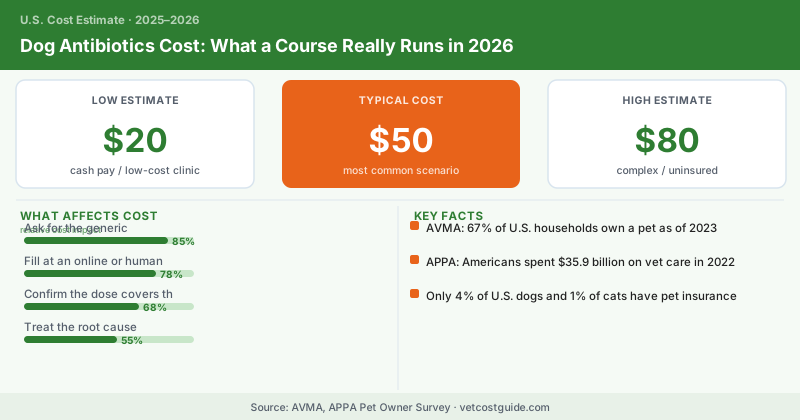
A 14-day course of amoxicillin for a 50-pound dog might cost you $25. A specialized antibiotic for a resistant infection might cost $200. Same word, wildly different bills. Most of the price gap comes down to which drug your dog needs and how big your dog is.
Let’s walk through what dog antibiotics cost, what bumps the price, and how to keep the total down without cutting a course short.
Typical Antibiotic Costs for Dogs
Antibiotics get prescribed for skin infections, ear infections, wounds, urinary infections, dental issues, and more. The common ones are cheap; the specialized ones aren’t.
| Antibiotic | Common Use | Course Cost (Generic) | Notes |
|---|---|---|---|
| Amoxicillin/clavulanate | Skin, soft tissue | $20-$60 | Very common |
| Cephalexin | Skin infections | $20-$55 | Widely used |
| Doxycycline | Tick-borne, respiratory | $25-$80 | Price has swung over years |
| Metronidazole | GI infections | $15-$45 | Often short courses |
| Enrofloxacin (Baytril) | Resistant infections | $40-$120 | Stronger, pricier |
| Compounded/specialty | Resistant or unusual | $80-$250 | Based on culture results |
The bigger your dog, the higher the dose, and the more drug you pay for. A Great Dane’s course costs noticeably more than a Chihuahua’s.
Why Some Antibiotics Cost So Much More
Three things drive the price up: the drug being patent-protected or in short supply, your dog’s size, and whether a culture is needed first. For stubborn or recurrent infections, vets often run a bacterial culture and sensitivity test, which can add $80-$200 but ensures the antibiotic will actually work, avoiding wasted money on a drug that does nothing.
The FDA Center for Veterinary Medicine and the AVMA both stress responsible antibiotic use, partly because resistance is a growing problem. That’s why your vet won’t just hand out a broad-spectrum drug for everything, and why a culture sometimes makes financial sense in the long run.
How to Cut Antibiotic Costs
- Ask for the generic. Brand names like Clavamox cost more than generic amoxicillin/clavulanate for the identical drug.
- Fill at an online or human pharmacy. Many dog antibiotics are the same molecules used in people. With a prescription, a human pharmacy with a discount card can be cheapest.
- Confirm the dose covers the whole course. Buying the exact amount avoids paying for leftover pills.
- Treat the root cause. Chronic ear or skin infections that keep coming back are cheaper to fix at the source than to re-treat repeatedly.
- A typical dog antibiotic course costs $20-$80; specialized ones run $80-$250.
- Generics and human-pharmacy fills are usually the cheapest route.
- A culture test adds $80-$200 but prevents wasting money on a drug that won’t work.
- Recurrent infections cost less to fix at the source than to treat over and over.
Recurring Infections Are a Hidden Cost
If your dog keeps getting ear or skin infections, the antibiotics are treating a symptom, not the cause. Allergies are a common underlying driver, and getting those managed can end the cycle of repeat prescriptions. See our breakdown of dog allergy treatment costs if your dog’s infections keep returning.
Always finish the full antibiotic course, even if your dog seems better after a few days. Stopping early lets the toughest bacteria survive and breeds resistant infections that need pricier drugs to clear. And never use leftover antibiotics from a previous illness without your vet’s okay, since the wrong drug or dose can make things worse.
Where Antibiotics Fit in Your Vet Budget
Most antibiotic courses are tied to a visit, so the drug cost rides on top of the exam fee. Knowing your average vet visit cost helps you anticipate the all-in number.
For surprise infections that need expensive cultures or specialty drugs, CareCredit for vet bills can help, and routine infections may be cheaper through cheap vet alternatives like low-cost clinics.
The Bottom Line
A standard course of dog antibiotics costs $20-$80, while specialty or compounded options run $80-$250. Ask for generics, consider a human pharmacy, and always finish the full course. Most importantly, if infections keep recurring, fix the underlying cause, because that’s where the real savings live.
Frequently Asked Questions
A typical 14-day course of antibiotics for a dog ranges from $20 to $80, depending on the type of antibiotic and your dog's size. Common antibiotics like amoxicillin for a 50-pound dog might cost around $25, while specialized antibiotics for resistant infections can run $200 or more.
Most pet insurance plans cover prescription antibiotics as part of illness or infection treatment, though you typically pay the vet bill upfront and get reimbursed later. Coverage varies by plan and deductible—expect to pay $20–$80 out-of-pocket for a standard antibiotic course before reimbursement, with many plans covering 70–90% of the cost.
Dogs typically take antibiotics for 7–14 days, depending on the infection type and medication prescribed. Stopping early can allow bacteria to survive and develop antibiotic resistance, making the infection harder to treat and potentially more expensive to address later.