Your dog’s gums are white. She’s barely lifting her head. The emergency vet just said the words “immune-mediated hemolytic anemia” — and now you’re staring at an estimate between $2,000 and $8,000 for treatment, with no guarantee it’ll work. IMHA is one of the most expensive and emotionally devastating diagnoses a dog owner faces. Understanding the cost upfront — before you’re sitting in that waiting room — can help you make a clear-headed decision fast.
What Is IMHA?
Immune-mediated hemolytic anemia (IMHA) happens when your dog’s immune system mistakenly attacks and destroys its own red blood cells. Without red blood cells, oxygen can’t reach the organs. Left untreated, IMHA is fatal — often within days. It’s most common in middle-aged, medium-to-large breed dogs, especially Cocker Spaniels, Labrador Retrievers, and Irish Setters.
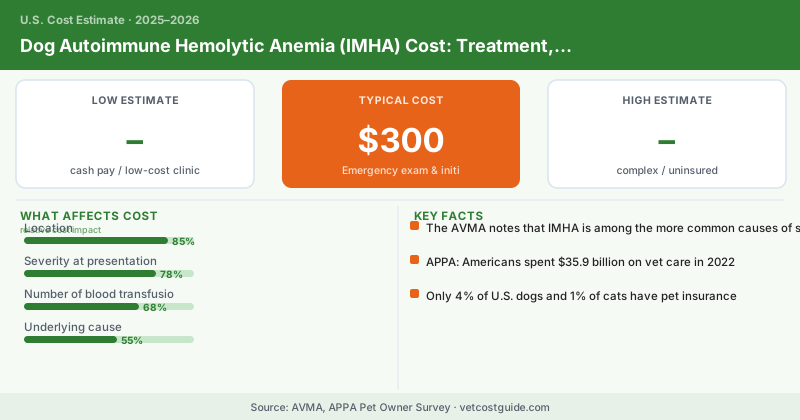
The AVMA notes that IMHA is among the more common causes of severe anemia seen in emergency practice, with mortality rates ranging from 20–70% even with aggressive treatment.
Cost Breakdown
| Service | Typical Cost | Notes |
|---|---|---|
| Emergency exam & initial bloodwork | $300–$700 | CBC, blood smear, chemistry panel |
| Blood transfusion (1 unit) | $500–$1,000 | Many dogs need 2–3 units |
| Hospitalization (3–7 days) | $800–$3,000 | ICU monitoring often required |
| Immunosuppressive medications | $200–$600/month | Prednisone plus azathioprine or cyclosporine |
| Additional diagnostics (ultrasound, urinalysis) | $300–$700 | Rule out underlying triggers |
| Follow-up bloodwork (first 3 months) | $400–$800 | Frequent CBC monitoring required |
Total first-month cost: $2,000–$8,000+
Severe or non-responsive cases can push significantly higher, especially if your dog needs multiple transfusions or develops complications like pulmonary thromboembolism.
Why Costs Vary So Much
Several factors drive the range:
- Location: Urban specialty/emergency centers charge 30–50% more than rural general practices
- Severity at presentation: A dog with a packed cell volume (PCV) of 8% needs far more intensive support than one at 18%
- Number of blood transfusions: Each unit runs $500–$1,000, and unstable dogs may need two or three before their PCV stabilizes
- Underlying cause: About 25–50% of IMHA cases are secondary — triggered by infection, cancer, or drug exposure — which adds diagnostic cost and treatment complexity
- Hospitalization length: every additional ICU day adds $200–$500
- Blood transfusions: the single biggest variable cost — plan for at least one
- Long-term immunosuppression: many dogs stay on medications 6–18 months
- Monitoring: CBCs every 1–2 weeks initially, then monthly — budget $80–$200 per draw
Long-Term Treatment Costs
If your dog survives the initial crisis — and many do — expect ongoing expenses. Most dogs require 6–18 months of immunosuppressive therapy. Prednisone is cheap (under $30/month), but if it’s not enough, your vet may add:
- Azathioprine: $40–$100/month
- Mycophenolate mofetil: $100–$250/month
- Cyclosporine (Atopica): $80–$200/month
Routine bloodwork every 4–6 weeks during maintenance adds up. Budget $800–$1,500 in monitoring costs over the first year, on top of medications.
The Relapse Risk
IMHA has a meaningful relapse rate — studies suggest 10–15% of recovered dogs experience at least one additional episode. Each relapse may require another hospitalization, another transfusion, and a reset of the medication taper. Pet insurance that covers chronic and recurring conditions is particularly valuable for IMHA survivors.
IMHA is a true emergency. Delaying treatment even 12–24 hours dramatically worsens outcomes and increases cost. If your dog’s gums are pale, white, yellow, or blue — go to an emergency vet immediately, not your regular clinic at the next appointment.
How to Manage the Cost
- Pet insurance: IMHA is almost always covered if it wasn’t pre-existing. Given the multi-thousand-dollar initial cost and chronic treatment needs, insurance has a clear ROI here.
- CareCredit or Scratchpay: Both offer financing at the vet for large unexpected bills. Apply before you commit to treatment.
- Ask about stepped-down monitoring: Once your dog is stable, your vet may be able to space out CBCs. Don’t hesitate to ask which tests are truly required vs. nice-to-have.
- Veterinary schools: Teaching hospitals often charge 30–40% less for the same level of care — worth calling if you’re within driving distance.
IMHA is devastating, but many dogs do make full recoveries. Knowing what you’re walking into financially — before you’re in the middle of it — helps you advocate for your dog with a clear head.
Frequently Asked Questions
Initial IMHA treatment typically costs $2,000–$8,000, with emergency hospitalization alone running $1,500–$4,000 for 3–5 days. Additional expenses include immunosuppressant medications ($30–$100 monthly), blood transfusions ($300–$600 each), and follow-up diagnostics like bloodwork ($200–$400 per visit), making total first-year costs often exceed $10,000.
Most pet insurance plans cover IMHA if purchased before diagnosis, though many policies have a 12-month waiting period for immune-mediated conditions or exclude pre-existing conditions entirely. With coverage, you typically pay 10–20% out-of-pocket after your deductible ($250–$500), but uninsured owners face the full $2,000–$8,000+ bill upfront.
Initial hospitalization lasts 3–5 days, with most dogs requiring 6–12 weeks of immunosuppressant therapy before remission; some dogs need lifelong medication management. Recovery depends on response to steroids and other drugs, with approximately 50–70% of dogs achieving remission, though relapse occurs in 25–50% of cases within the first year.