Puncture wounds from dog bites are deceptive. The skin hole is small — the damage underneath isn’t. A dog’s canine teeth can create a wound track several inches deep through muscle, potentially penetrating body cavities, while leaving an entry wound barely the size of a pencil eraser. The AVMA reports that dog bites account for a significant portion of emergency veterinary trauma cases each year, with dog-on-dog attacks being the most common mechanism. Most owners look at a small bite mark and think it’s minor. Their vet often does not.
Treatment Cost by Wound Severity
| Severity | Description | Typical Cost |
|---|---|---|
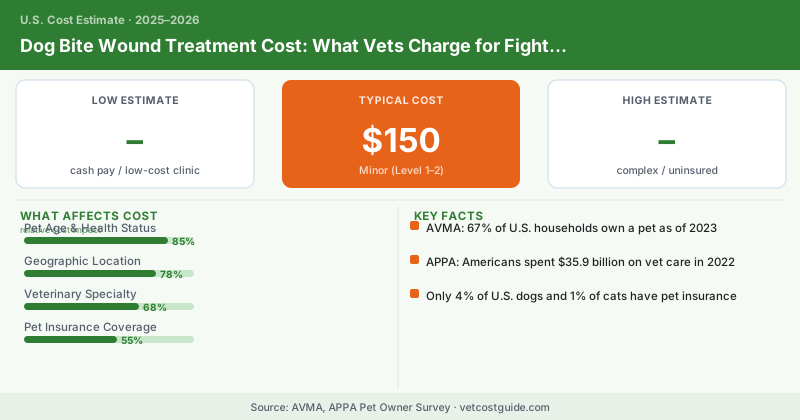
| Minor (Level 1–2) | Superficial scratches/abrasions — skin intact or barely broken | $150–$400 |
| Moderate (Level 3) | Punctures penetrating skin — no deep tissue involvement | $300–$900 |
| Serious (Level 4) | Deep punctures into muscle — possible exploration/lavage needed | $600–$2,000 |
| Severe (Level 5–6) | Penetrating wounds to body cavity, chest, neck or multiple wounds | $1,500–$5,000+ |
What the Vet Bill Includes
A dog brought in with bite wounds will typically receive:
- Emergency or urgent care exam: $75–$200
- Wound assessment and clipping/cleaning: $50–$150
- Radiographs (chest X-rays if any thoracic wounds — to check for pneumothorax): $100–$250
- Wound exploration under sedation or anesthesia: $200–$600
- Wound lavage (flushing with sterile saline): included in surgical charge
- Closure (sutures or staples, if appropriate): $150–$400
- Drain placement (very common in bite wounds to prevent abscess): $100–$250
- Antibiotics (7–14 day course): $30–$80
- Pain medication: $30–$80
- E-collar: $15–$30
- Hospitalization if unstable: $300–$1,200/night
Do NOT close or bandage a fresh dog bite wound at home before vet evaluation. Bite wounds are heavily contaminated with oral bacteria (Pasteurella, Staphylococcus, Streptococcus). Sealing bacteria inside a warm, closed wound is how you create a life-threatening abscess within 24–48 hours. Vets often intentionally leave bite wounds open or place drains to allow bacterial drainage — that’s the correct treatment, not an oversight.
The Hidden Danger: Pneumothorax from Neck/Chest Bites
A puncture wound near the chest wall can create a pneumothorax — air leaking into the chest cavity, collapsing the lung. This is immediately life-threatening. Any dog with bite wounds to the neck, shoulder, or chest that is breathing rapidly, showing pale or blue gums, or appearing to struggle to breathe needs emergency care right now, not in the morning.
Pneumothorax treatment involves thoracocentesis (removing air from the chest cavity with a needle or tube) and sometimes chest tube placement and hospitalization: $800–$3,500.
Why Bite Wounds Become Abscesses
Oral bacteria from the biting dog’s mouth are inoculated deep into tissue. The skin closes quickly over the puncture, trapping bacteria inside. Within 3–7 days, owners notice swelling, heat, and discharge — the classic abscess presentation. By this point, the wound that might have cost $300 to treat at day one now requires surgical drainage, debridement, and aggressive antibiotic therapy: $400–$1,200.
The lesson: every dog bite wound, no matter how small it looks, deserves a same-day vet evaluation. This is specifically true for puncture wounds on the chest, neck, abdomen, or anywhere near the eyes or spine.
Multiple Dogs, Multiple Bills
In multi-dog households or off-leash park attacks, the attacking dog’s owner may be liable for vet costs under many state’s statutes — but collecting is complicated and often requires small claims court. Document everything: photographs of all wounds, the vet invoice, and any witness information. Animal control reports create an official record that strengthens any legal action.
Pet insurance typically covers dog bite injury treatment under accident and illness policies. Know your deductible and reimbursement percentage before the emergency happens.
After discharge, check all wounds twice daily for: increasing swelling (some is normal, rapidly increasing is not), discharge that changes from clear/light pink to thick white/yellow/green, heat and redness spreading beyond the wound edges, loss of appetite or lethargy. Any of these = return to the vet. Drain sites need gentle cleaning with dilute chlorhexidine solution per your vet’s instructions. Most bite wounds require a 7–14 day recheck visit ($50–$100) to assess healing and decide on drain removal.
Frequently Asked Questions
Dog bite wound treatment typically costs $200–$2,500+ depending on wound depth, location, and whether surgery is needed. Simple surface wounds may cost $200–$500 for cleaning and antibiotics, while deep puncture wounds requiring surgical exploration and repair can reach $1,500–$2,500 or more, especially if emergency care is involved.
Most pet insurance plans cover dog bite injuries as accidents, with typical out-of-pocket costs ranging from $200–$500 after your deductible and coinsurance (usually 10–20% coinsurance). However, many policies exclude claims related to dog-on-dog fights or injuries from other pets in your household, so you should review your specific policy before filing a claim.
Dog bite wounds should be evaluated by a veterinarian within 12–24 hours, as puncture wounds are prone to infection and may hide deep tissue damage beneath a small skin opening. Most vets will recommend immediate emergency care if the wound is bleeding heavily, involves the face or body cavity, or shows signs of shock, and antibiotics are typically started within 24 hours to prevent serious infection.