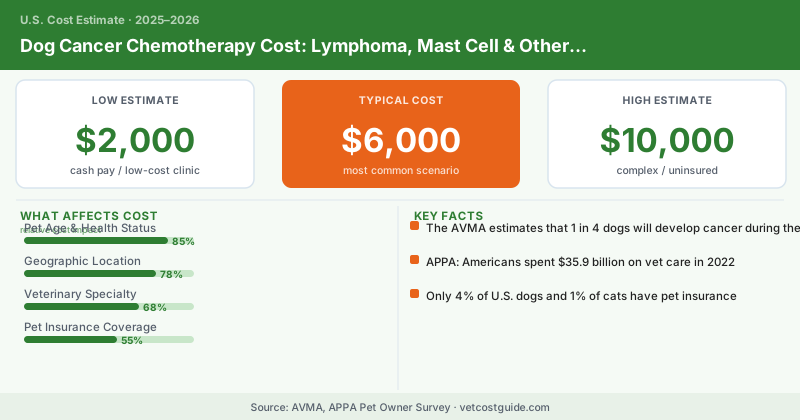
Human chemotherapy protocols and dog chemotherapy protocols share many of the same drugs — doxorubicin, vincristine, cyclophosphamide, prednisone. But the experience for dogs is dramatically different from what you might picture. In veterinary oncology, doses are calibrated for quality of life, not maximum tumor kill. The Veterinary Cancer Society reports that 80–90% of dogs tolerate chemo well, with severe side effects occurring in only 5–10% of cases. Most keep eating, keep walking, keep greeting you at the door. That context matters when you’re making a decision with a number like $5,000 attached to it.
How Common Is Cancer in Dogs?
Very. The AVMA estimates that 1 in 4 dogs will develop cancer during their lifetime, and cancer is the leading cause of death in dogs over 10 years old. Golden Retrievers face particularly high rates — studies suggest more than 60% of the breed will be affected, prompting the ongoing Morris Animal Foundation Golden Retriever Lifetime Study tracking over 3,000 dogs.
Lymphoma, mast cell tumors, osteosarcoma, and hemangiosarcoma are among the cancers most commonly treated with chemotherapy. Each has a distinct protocol, cost profile, and prognosis.
Oncology Consultation — Your First Step
Before any chemotherapy begins, you need a consultation with a board-certified veterinary oncologist (Diplomate, ACVIM — Oncology). This includes a thorough physical exam, staging diagnostics (blood panels, chest radiographs, abdominal ultrasound, lymph node aspirates or biopsies), and a discussion of treatment options and prognosis.
Initial oncology consultation: $200–$400. Staging diagnostics (bloodwork + imaging): $500–$1,500 depending on cancer type and how extensive the workup needs to be.
| Cancer Type | Protocol | Total Cost Range | Median Survival |
|---|---|---|---|
| Lymphoma (multicentric) | CHOP protocol (25 weeks) | $3,000–$8,000 | 12–14 months |
| Lymphoma (palliative/single agent) | Prednisone or single-drug | $500–$1,500 | 2–4 months |
| Mast cell tumor (surgery + chemo) | Surgery + Palladia or vinblastine | $3,000–$7,000 | Varies by grade |
| Osteosarcoma (amputation + chemo) | Amputation + carboplatin | $8,000–$15,000 | 10–12 months |
| Hemangiosarcoma (spleen) | Surgery + doxorubicin | $2,000–$5,000 | 4–6 months |
| Transitional cell carcinoma (bladder) | Piroxicam + mitoxantrone | $1,500–$3,000 | 6–12 months |
Lymphoma — The Most Commonly Treated Cancer
Canine lymphoma is diagnosed in approximately 20–100 per 100,000 dogs annually and is the cancer most pet owners encounter in the oncology context. It’s usually multicentric — affecting lymph nodes throughout the body — and it responds well to chemotherapy.
The gold-standard treatment is the CHOP protocol: a rotating 25-week schedule of doxorubicin (H), cyclophosphamide (C), vincristine (O), and prednisone (P), administered by a veterinary oncologist typically once per week or every three weeks depending on the cycle.
CHOP achieves complete remission in approximately 80–90% of dogs. Median survival is 12–14 months — meaning half of treated dogs live longer than that. Some breeds (especially T-cell lymphoma variants) have shorter remission times; others may be in remission for 2+ years.
Total CHOP cost: $3,000–$8,000 depending on dog size (drug doses are weight-based), your geographic region, and whether your oncologist is at a specialty hospital or academic veterinary center.
Other Common Cancers and Their Costs
Mast Cell Tumors: Staging determines everything. Low-grade mast cell tumors treated with surgery alone have excellent long-term outcomes ($1,500–$3,000 for surgery). High-grade tumors or incompletely excised tumors often receive adjunct chemotherapy with Palladia (toceranib phosphate) — an oral targeted therapy at roughly $300–$600/month — or vinblastine IV cycles. Total cost for surgery + chemo: $3,000–$7,000.
Osteosarcoma: Bone cancer. Amputation is the first step ($3,000–$6,000) and dramatically improves quality of life even without further treatment. Adding adjunct carboplatin chemotherapy (4–6 cycles at $300–$700 each) extends median survival from 3–4 months post-amputation to approximately 10–12 months. Total: $8,000–$15,000. Limb-sparing surgery at academic centers is possible in some cases but costs more.
Hemangiosarcoma: Typically found in the spleen (splenic hemangiosarcoma), it’s an aggressive cancer with a poor prognosis even with treatment. Splenectomy ($2,000–$4,000) plus doxorubicin-based chemo ($1,000–$2,000 additional) yields median survival of 4–6 months. Many owners choose surgery only or palliative care for quality-of-life reasons.
Palliative vs. Curative Intent — Choosing the Right Goal
Curative intent: Full protocol aimed at long-term remission or cure. Higher cost, more frequent appointments, but best survival outcomes. Best for dogs who are otherwise healthy with good performance status.
Palliative intent: Lower-dose single-agent chemotherapy or oral medications aimed at extending comfortable life rather than maximizing survival time. Often 50–70% less expensive than curative protocols. Appropriate for older dogs, dogs with concurrent illness, or when quality of life is the primary goal.
There’s no wrong answer. An oncology consultation will help you define what success looks like for your specific dog and family situation.
Per-Session Chemotherapy Costs
If you want to understand the cost structure: individual IV chemotherapy sessions run $300–$700 per appointment. A full CHOP protocol involves approximately 8–12 appointments over 25 weeks. Oral chemotherapy (Palladia, lomustine, chlorambucil) costs $100–$600/month depending on the drug and dog size.
Each oncology visit typically includes a physical exam, often a CBC (blood count) to ensure the bone marrow is recovering adequately before the next dose ($80–$150), and sometimes additional imaging for re-staging.
Pet Insurance and Pre-Existing Conditions
Pet insurance coverage for cancer chemotherapy can be significant — typically 70–90% reimbursement on covered treatments after your deductible. The critical caveat: cancer must be diagnosed after the policy’s waiting period and cannot be a pre-existing condition.
If your dog has already been diagnosed with cancer, most new pet insurance policies won’t cover it. If you have an existing policy that was in place before diagnosis, review the policy terms carefully — most accident and illness plans cover cancer, but read the exclusions.
For uninsured owners, CareCredit and Scratchpay both finance veterinary oncology bills with promotional interest-free periods. Many veterinary schools with oncology services offer treatments at 20–40% below private specialty hospital rates.
Chemotherapy for dogs should be administered by or under the direct supervision of a board-certified veterinary oncologist (DACVIM Oncology). The drugs used — doxorubicin, vincristine, cyclophosphamide — are cytotoxic agents with narrow therapeutic windows. Dosing errors can cause serious harm. A general practitioner administering IV chemotherapy without oncology training puts your dog at significantly higher risk. Verify your treating veterinarian’s oncology board certification before starting any protocol.
Is Chemotherapy Right for Your Dog?
The most important question isn’t “Can we afford it?” — it’s “What does my dog’s quality of life look like during and after treatment?” For most dogs receiving appropriate veterinary chemo protocols, the answer is: surprisingly normal. They don’t lose fur. They rarely have severe nausea. They keep their appetite. They spend treatment day at the hospital and come home and eat dinner.
Ask your oncologist for the specific side effect profile of the recommended protocol, what a “severe” reaction looks like and how often it occurs, and what your realistic options are at every budget level — from full curative intent to palliative management to supportive care only. Good oncologists present all of these without pressure, because the goal is what’s right for your dog and your family.
Frequently Asked Questions
Rarely. The dosing philosophy in veterinary oncology prioritizes quality of life — dogs receive lower doses relative to their maximum tolerated dose than human cancer patients do. The Veterinary Cancer Society reports that 80–90% of dogs tolerate chemotherapy well, with severe side effects in only 5–10% of cases. Most dogs maintain appetite, energy, and normal activity throughout treatment.
For most cancers, chemotherapy achieves remission rather than cure — meaning the cancer becomes undetectable but can return. For lymphoma, the most commonly treated cancer, the CHOP protocol achieves complete remission in approximately 80–90% of dogs, with a median survival of 12–14 months. Some cancers, like certain forms of lymphoma in specific breeds, have longer survival times.
Some general practitioners administer certain chemotherapy protocols, particularly oral medications. However, complex IV protocols — especially the full CHOP protocol for lymphoma — should be administered by or under the supervision of a board-certified veterinary oncologist (DACVIM Oncology). The drugs are cytotoxic, require careful handling, and dosing errors can be fatal. Always consult a veterinary oncologist before starting a chemo protocol.