Chiropractic isn’t just for humans with desk jobs. Certified animal chiropractors treat dogs — and the science behind it is more solid than you’d expect.
Canine chiropractic has moved from fringe to mainstream in veterinary rehabilitation over the past two decades. The American Veterinary Chiropractic Association (AVCA) now certifies over 1,200 animal chiropractors across North America, and veterinary chiropractic is regularly recommended by board-certified rehabilitation veterinarians at specialty practices and university hospitals. For dogs with back pain, mobility issues, or post-surgical recovery needs, it’s a legitimate part of the treatment toolkit — not alternative medicine in the dismissive sense.
Here’s what it costs, when it helps, and how to find someone actually qualified.
What Canine Chiropractic Is (and Isn’t)
Veterinary chiropractic focuses on the relationship between the spinal column, nervous system, and musculoskeletal function. The practitioner performs manual adjustments — controlled force applied to specific spinal joints or extremities — with the goal of restoring normal joint motion, reducing nerve irritation, and improving overall biomechanical function.
It’s not massage (though some practitioners combine both). It’s not acupuncture. And it’s not a substitute for surgery when surgery is indicated — a dog with severe IVDD and neurological deficits needs a surgeon, not an adjustment.
Where canine chiropractic fits best: dogs whose problem involves restricted movement, chronic pain, or functional biomechanical issues rather than acute structural damage requiring surgical repair.
Conditions It Treats
- Intervertebral disc disease (IVDD) — particularly in conservative management cases, as adjunct to cage rest and medication
- Hip and elbow dysplasia — symptom management; doesn’t fix the underlying anatomy but improves comfort and function
- Spondylosis — spinal arthritis causing stiffness and reluctance to move
- Post-surgical rehabilitation — after TPLO, FHO, or spinal surgeries
- Gait abnormalities — dogs that compensate for one problem by overloading other limbs
- Performance and working dog maintenance — agility dogs, working dogs, and sporting breeds treated proactively to prevent injury
- Neck and back pain — reluctance to turn the head, yelping when touched, posture changes
A 2018 systematic review in Veterinary Record examined the evidence for spinal manipulation in dogs and found sufficient evidence to support its use in musculoskeletal pain management, noting it was comparable to outcomes seen in human chiropractic research for similar conditions.
Cost Breakdown
| Service | Cost Range | Notes |
|---|---|---|
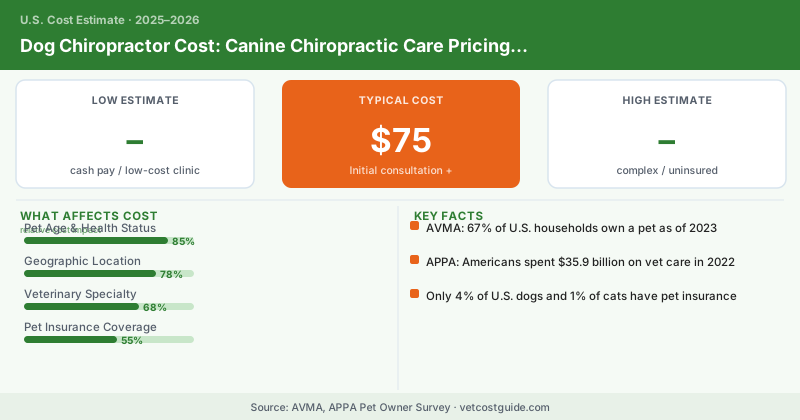
| Initial consultation + assessment | $75–$200 | Full orthopedic and neurological assessment included |
| Standard adjustment session | $50–$150 | 30–45 minute appointment |
| Initial treatment course (6–8 sessions) | $400–$1,000 | Most common starting plan |
| Monthly maintenance sessions | $50–$150/month | For ongoing chronic conditions |
| Combined chiropractic + acupuncture | $100–$200/session | Offered by some practices |
| Home care instruction | Often included | Stretches and exercises owners can do |
Regional variation is significant. Urban practices in California, New York, and Seattle charge 25–40% more than national averages. Rural practitioners and vet school clinics are typically at the low end.
AVCA certification is the standard you want. Always ask: Is the practitioner either a licensed veterinarian or licensed human chiropractor with AVCA certification? In most states, it’s illegal for anyone other than a vet or AVCA-certified human chiropractor (working under veterinary referral) to perform spinal manipulation on animals. Don’t book with anyone who can’t answer this question clearly.
Insurance Coverage
This is the variable most people don’t check before their first appointment — and then get frustrated about later.
Plans that often include chiropractic coverage:
- Nationwide pet insurance (their Major Medical and Whole Pet plans include alternative therapy)
- Some Trupanion riders
- ASPCA Pet Health Insurance (optional wellness and alternative care add-ons)
- Hartville pet insurance
What to look for in your policy: Search for “chiropractic,” “spinal manipulation,” “alternative therapy,” or “complementary medicine.” If your policy doesn’t include these terms, assume it’s not covered.
If you’re purchasing a new policy for a dog you know will need ongoing chiropractic care, explicitly choose a plan with complementary care coverage. The premium difference is usually $5–$20/month, easily justified if you’re doing monthly maintenance sessions.
For dogs already in treatment: Chiropractic is sometimes reimbursable as part of a broader rehabilitation claim if your plan covers “physical rehabilitation” — check whether the definition includes manual therapy.
Chiropractic vs. Physical Therapy vs. Massage
These three modalities are often compared and sometimes combined:
Canine chiropractic: Focuses on spinal joint motion and neural function. Best for spinal-origin pain, IVDD, and biomechanical compensation patterns.
Physical therapy/rehabilitation: Focused on strengthening, proprioception, and functional recovery. Uses exercises, underwater treadmill, laser therapy, electrical stimulation. Best for post-surgical recovery and building long-term muscle support.
Therapeutic massage (NBCAAM certified): Focuses on soft tissue — muscles, fascia. Reduces tension, improves circulation, helps anxiety. Best as a complement, not standalone treatment for structural issues.
For a dog with hip dysplasia and compensatory back pain, a combination approach (chiropractic + targeted exercise rehab + massage) often produces better results than any single modality. Some rehabilitation centers offer all three under one roof, which simplifies coordination and sometimes reduces total cost.
What to Expect at the First Visit
The initial consultation takes 60–90 minutes and includes:
- Full history review (breed, age, symptoms, prior treatments, imaging results)
- Orthopedic and neurological examination
- Palpation of the spine and extremities to identify areas of restriction or tenderness
- The first adjustment if appropriate
Your dog doesn’t need to be sedated. Most dogs tolerate adjustments well — the force used is gentle and calibrated to body size. Some dogs are reluctant at first; experienced practitioners know how to work with anxious or painful animals.
Never bring a dog for chiropractic treatment without a prior veterinary diagnosis and imaging (radiographs at minimum). Adjusting a spine that has a fracture, tumor, or severe disc extrusion can cause catastrophic neurological injury. Reputable animal chiropractors will require veterinary records and may decline to treat without appropriate imaging. This is a safety feature, not an administrative inconvenience.
Finding a Qualified Practitioner
The AVCA maintains a searchable directory at avca-dr.org. Search by zip code and look for practitioners listing both their base credential (DVM or DC) and AVCA certification status.
University veterinary schools with rehabilitation departments often have staff who perform spinal manipulation, either as veterinary chiropractors or as part of integrated rehabilitation programs. These are excellent options with strong oversight and accountability.
The cost of canine chiropractic — $50–$150/session — is comparable to human chiropractic care. For a dog with chronic back pain or dysplasia-related mobility issues, it’s frequently among the most cost-effective treatments available: modest per-session cost, no anesthesia risk, meaningful quality-of-life improvement for dogs who respond well.
Frequently Asked Questions
Canine chiropractic sessions typically cost $50–$150 depending on the practitioner's credentials, your location, and session length. Initial consultations (which include a thorough assessment) often run $75–$200. Most treatment plans involve 4–8 initial sessions.
Some pet insurance policies cover chiropractic care under alternative or complementary therapy riders, but many base plans exclude it. Check your policy for 'chiropractic,' 'spinal manipulation,' or 'alternative therapy' language. Trupanion, Nationwide, and some ASPCA plans offer complementary care coverage as add-ons.
The strongest evidence supports canine chiropractic for musculoskeletal pain, intervertebral disc disease management (non-surgical cases), hip dysplasia symptom management, gait abnormalities, and post-surgical rehabilitation. It's also used for performance dogs (agility, working dogs) for maintenance and injury prevention.
In the US, qualified animal chiropractors must be either a licensed veterinarian or a licensed human chiropractor who has completed an additional animal chiropractic certification program accredited by the American Veterinary Chiropractic Association (AVCA). The AVCA certification program involves 210 hours of coursework plus a written and practical exam.