What does canine constipation actually cost to treat? That depends entirely on how bad it’s gotten — and whether you caught it early or let it sit for days while hoping it would resolve on its own.
A dog that’s simply a bit backed up after eating something odd might need nothing more than a $75 vet visit and a can of pumpkin. A dog with severe obstipation — the medical term for an impacted colon that the animal can’t move on its own — can require hospitalization, multiple enemas, and even surgery, pushing costs to $500–$1,500 or more.
Most cases fall somewhere in the middle, and knowing the warning signs helps you choose the right response.
What Causes Constipation in Dogs
The AVMA recognizes dietary causes as the leading driver of constipation in otherwise healthy dogs. Insufficient fiber, dehydration, and the ingestion of hair, bones, or indigestible materials are the most common culprits.
Other causes include:
- Orthopedic pain — a dog with hip pain or a disc problem may be reluctant to squat, leading to voluntary stool retention and eventual constipation
- Enlarged prostate (in intact males) — can physically compress the colon
- Perianal issues — anal sac disease, perianal hernias, or perianal fistulas that make defecation painful
- Neurological problems — spinal cord disease can reduce colon motility
- Medications — opioid pain medications, antacids, and antihistamines can slow GI motility
- Megacolon — a condition where the colon loses muscle tone and becomes permanently dilated (more common in cats but does occur in dogs)
- Vet exam: $75–$200
- Abdominal x-ray (to assess impaction severity): $100–$300
- Single enema (in-clinic): $50–$150
- Manual fecal extraction (under sedation): $200–$600
- IV fluids + hospitalization (1–2 days): $400–$1,200
- Dietary fiber supplements (long-term): $10–$30/month
- Lactulose or MiraLAX (prescription/OTC): $10–$30/month
How Vets Assess and Diagnose Constipation
Your vet will palpate (feel) your dog’s abdomen — hardened fecal material in the colon is often palpable. They’ll also ask about how long the dog has been straining, frequency of normal stools, recent dietary changes, and whether the dog has eaten anything unusual.
Abdominal radiographs (x-rays) are usually ordered to see exactly how much stool is backed up and whether there’s any foreign material, bone fragments, or signs of obstruction. X-rays typically run $100–$300 depending on your location and how many views are needed.
Blood work may be added if the dog seems systemically unwell — adding $100–$250 to the diagnostic bill.
Treatment Options and Costs
Mild constipation (dog has missed 1–2 days of stools, not straining heavily) is often managed at home with vet guidance:
- Canned pumpkin puree (plain, not pie filling): 1–4 tablespoons per day, essentially free
- Over-the-counter MiraLAX (polyethylene glycol): $15–$30 for a large bottle; dose is weight-based and vet-guided
- Adding wet food or water to meals to increase hydration
- Short-term exercise increase to stimulate gut motility
Moderate constipation requiring a vet visit:
- In-clinic enema: $50–$150 — your vet administers warm water or a gentle solution rectally to soften and move impacted stool. Most dogs need only one.
- Follow-up with a lactulose prescription: $20–$40 per bottle, used for several weeks
- Total cost for a typical moderate case: $150–$400
Severe obstipation (dog hasn’t defecated in 4+ days, straining without result, vomiting, or lethargic):
- Multiple enemas over 1–2 days: $100–$300
- Manual fecal extraction under sedation: $200–$600 — a vet manually removes compacted material while the dog is sedated
- IV fluid support for dehydration: $300–$600 per day
- Hospitalization: $400–$800 per day
- Total severe case cost: $600–$1,500+
| Severity | Typical Treatment | Estimated Cost |
|---|---|---|
| Mild (1–2 days) | Home fiber/hydration + vet guidance | $0–$150 |
| Moderate (2–4 days) | Vet exam + x-ray + 1 enema | $200–$500 |
| Severe (4+ days or obstipation) | Sedation + extraction + IV fluids | $500–$1,200 |
| With hospitalization | 2+ day stay with fluids | $800–$2,000+ |
Surgery — When Is It Needed?
True surgical intervention for constipation is relatively rare but does happen. Subtotal colectomy (removal of part of the colon) is occasionally needed for dogs with chronic obstipation that hasn’t responded to medical management — typically because of megacolon or a structural problem like a perianal hernia or stricture.
Colonic surgery costs $1,500–$4,000+ at a general practice, or higher at a specialty referral center. It’s genuinely a last resort — but it’s worth knowing it’s on the table if your dog has recurring severe episodes.
Dogs that strain repeatedly without producing stool may actually have urinary obstruction — not constipation — especially male dogs. A urinary blockage is a life-threatening emergency. If your dog is straining and hasn’t urinated in the past 24 hours, or is crying when trying to go, treat it as an emergency and go directly to a 24-hour veterinary clinic. Don’t wait.
Long-Term Management Costs
Some dogs are chronically prone to constipation — older dogs with reduced mobility, dogs that habitually eat hair or grass, or dogs with underlying motility disorders. Long-term management might include:
- Prescription high-fiber diet: $50–$100/month (brands like Hill’s Prescription Diet w/d)
- Lactulose syrup: $20–$40/month
- Psyllium fiber supplement (Metamucil, unflavored): $10–$20/month
- Cisapride (prokinetic medication — helps colon contract): $30–$80/month, compounded
A dog on long-term constipation management typically costs $30–$120/month depending on which products are needed.
Ways to Reduce Costs
- Catch it early. A one-day missed bowel movement with at-home pumpkin treatment costs almost nothing. Three days of obstipation costs ten times more.
- Ask about compounded lactulose. Compounding pharmacies often fill this significantly cheaper than pet pharmacy brands.
- Consider pet insurance if your dog has a condition (like spinal disease or hypothyroidism) that predisposes them to constipation — recurring GI issues can add up fast.
- Prevent dietary causes — don’t give bones (cooked bones especially), limit grass eating, and consider switching to a higher-fiber food if your dog has recurring issues.
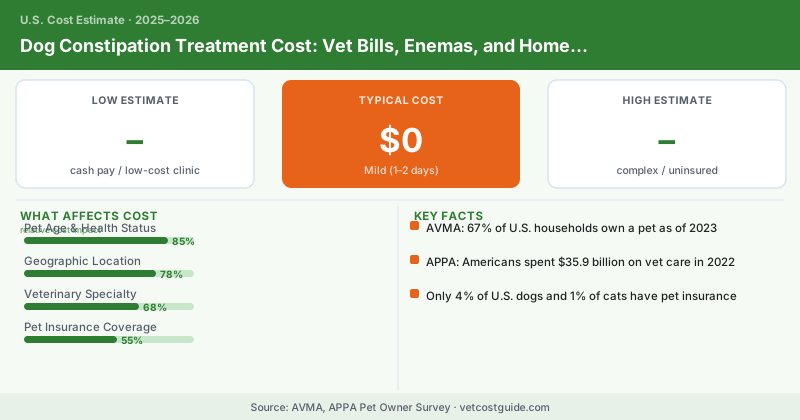
A 2022 survey by the American Pet Products Association found that dog owners spent an average of $458 on veterinary care annually — but owners of dogs with recurring chronic conditions spent nearly three times that figure. Managing constipation proactively is one of the easier ways to stay on the lower end of that curve.
Frequently Asked Questions
A basic vet visit for mild constipation typically costs $75-$200, while diagnostic imaging like X-rays adds $150-$300. Severe cases requiring hospitalization and treatment can reach $1,000 or more depending on the underlying cause and duration of stay.
Most pet insurance plans cover constipation treatment as an accident or illness claim, though you'll typically pay the vet upfront and get reimbursed 70-90% after meeting your deductible. Pre-existing digestive conditions may be excluded, so check your policy details before filing a claim.
Pumpkin puree (plain, not pie filling) costs $1-3 per can and often resolves mild constipation within 24-48 hours. Increasing fiber intake, adding wet food, and ensuring adequate water are free alternatives, though if your dog hasn't had a bowel movement in 3+ days, a vet visit is necessary to rule out obstruction.