The estimate said $1,150 to pull four teeth. You stared at it and wondered if your vet had lost their mind. They hadn’t. A canine dental extraction isn’t a 30-second yank — it’s surgery under general anesthesia, often involving X-rays, sectioning the tooth, drilling bone, and suturing the gum closed. That’s where the money goes.
A single simple extraction can run as little as $150. A full-mouth case in a small breed with advanced periodontal disease can top $2,000. Most owners land somewhere in the middle.
- Simple single-tooth extraction: $150–$400
- Surgical extraction (sectioned, multi-rooted tooth): $300–$800 per tooth
- Multi-tooth case with cleaning and anesthesia: $800–$2,000+
- Anesthesia, dental X-rays, and monitoring make up most of the bill — not the extraction itself
- The AVMA reports that periodontal disease affects more than 80% of dogs over age three, making extractions one of the most common procedures in general practice
- Small breeds (Yorkies, Chihuahuas, Dachshunds) need extractions far more often due to crowded teeth
What a Dog Tooth Extraction Actually Costs
| Item | Low | High | Typical |
|---|---|---|---|
| Pre-anesthetic blood work | $80 | $200 | $130 |
| Anesthesia + monitoring | $200 | $600 | $400 |
| Dental X-rays (full mouth) | $80 | $250 | $150 |
| Simple extraction (per tooth) | $50 | $150 | $100 |
| Surgical extraction (per tooth) | $150 | $800 | $350 |
| Pain meds + antibiotics | $30 | $120 | $70 |
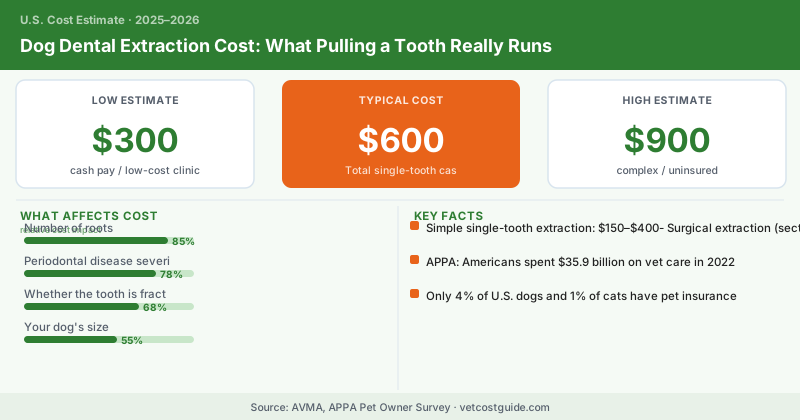
| Total single-tooth case | $300 | $900 | $600 |
| Total multi-tooth case | $800 | $2200 | $1300 |
Why Anesthesia Drives the Price
You can’t ask a dog to hold still and open wide. Every legitimate extraction happens under general anesthesia, which means an IV catheter, intubation, fluids, and a tech watching vitals the whole time. That foundation costs the same whether you pull one tooth or eight — which is why doing everything in a single procedure saves real money versus going back later.
Anyone offering “anesthesia-free” extractions is doing cosmetic scaling at best and can’t address what’s below the gumline, which is where the disease actually lives. The American Veterinary Dental College has warned against the practice for years.
What Makes One Extraction Cost More Than Another
Not all teeth are equal. A loose incisor practically falls out. A fractured carnassial (the big chewing tooth) has three roots fused into bone and may need to be drilled and sectioned into pieces before each root comes free. That can take 30+ minutes of surgical time for one tooth.
Factors that push the price up:
- Number of roots — single-root teeth are cheap, three-root teeth aren’t
- Periodontal disease severity — diseased bone bleeds and complicates the work
- Whether the tooth is fractured or retained (a baby tooth that never fell out)
- Your dog’s size — toy breeds have fragile jaws that fracture if rushed
If your dog has a single damaged tooth without full-mouth disease, you might also weigh options against a dog fractured tooth treatment, where a root canal sometimes preserves the tooth instead of removing it.
How to Keep the Bill Down
The cheapest extraction is the one you never need. Regular dog teeth cleaning catches disease before teeth need to come out. Once extractions are on the table, here’s how owners save:
- Bundle everything into one anesthesia event — never split a multi-tooth plan
- Get the pre-op dog blood work done at a wellness visit if your vet allows it, instead of as an add-on
- Ask whether your clinic uses a board-certified dentist for complex cases — sometimes a specialist is faster and cheaper per tooth than a long general-practice procedure
- Use CareCredit for vet bills to spread the cost interest-free over six months
Dental work is one of the few major procedures that pet insurance often excludes or limits, so check your policy. If you’re shopping, our guide on is pet insurance worth it walks through which plans cover dental disease versus only dental accidents.
When to Act Fast
A bad tooth isn’t just expensive — it’s painful. Dogs hide oral pain remarkably well, often eating normally while a root abscess festers. Bad breath, dropping food, pawing at the mouth, or chewing on one side all warrant a look. Left alone, a simple extraction can become a jaw infection that lands you in the dog emergency vet at three times the cost.
Compared to a routine average vet visit, a dental extraction feels steep. But it resolves chronic pain your dog can’t tell you about — and that’s worth budgeting for.
Frequently Asked Questions
A single simple tooth extraction typically costs $150–$300, while multiple extractions can range from $800–$1,500+ depending on the number of teeth, their location, and complexity. Factors like X-rays, tooth sectioning, bone removal, and suturing all add to the final bill, which is why a four-tooth extraction might cost around $1,150.
Most pet insurance plans do not cover routine dental cleanings or extractions because they're classified as preventive or pre-existing conditions, though some policies may partially cover extractions due to injury or disease if the condition wasn't pre-existing. You should expect to pay the full out-of-pocket cost of $150–$1,500+ unless your policy specifically includes dental coverage, which is rare.
The procedure itself typically takes 30 minutes to 2 hours depending on the number and difficulty of extractions, and your dog will be under general anesthesia throughout. Most dogs recover within 24–48 hours with soft food and pain medication, though full healing of the extraction sites takes 2–3 weeks.