Is this a life-changing diagnosis, or a manageable new routine? For most diabetic dogs, it’s genuinely the second one — but only if you understand the actual monthly cost and commitment involved before you’re three weeks in and overwhelmed by supply lists.
Canine diabetes mellitus requires daily insulin injections, typically twice a day, for the rest of your dog’s life. Unlike some chronic conditions where cost is mostly upfront, diabetes management is a steady, ongoing monthly expense — but one that’s genuinely predictable once you understand the pieces.
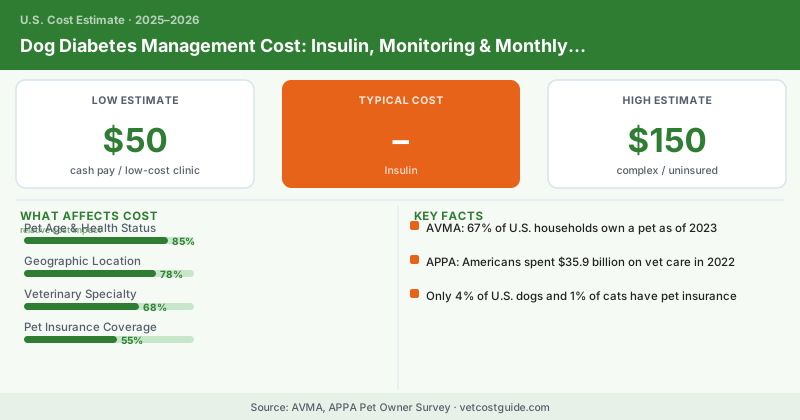
- Insulin (monthly supply): $50–$150
- Syringes/pen needles: $10–$30
- Prescription diabetic diet: $30–$70
- Glucose monitoring supplies (strips or CGM sensors): $20–$80
- Periodic vet recheck with bloodwork: $100–$250 (every 3-6 months)
- Total typical monthly cost: $80–$250
Full Cost Breakdown
| Component | Low End | High End | Frequency |
|---|---|---|---|
| Insulin | $50 | $150 | Monthly, ongoing |
| Syringes/pen needles | $10 | $30 | Monthly |
| Prescription diabetic diet | $30 | $70 | Monthly |
| Glucose test strips (home monitoring) | $20 | $60 | Monthly, if using this method |
| Continuous glucose monitor (CGM) sensor | $40 | $80 | Every 2 weeks, if using this method |
| Vet recheck with blood glucose curve | $150 | $350 | Every 3-6 months, or when adjusting dose |
| Initial diagnosis workup | $200 | $500 | One-time at diagnosis |
Why Insulin Cost Varies So Much
Insulin cost depends on the type prescribed (some formulations cost more than others) and your dog’s size, since larger dogs require proportionally more insulin per dose, meaning a vial lasts fewer days. A small terrier on a low dose might get 4-6 weeks out of a single vial, while a large Labrador on a higher dose may go through the same vial in half that time. This is worth discussing with your vet upfront — asking specifically how many days a prescribed vial should last helps you budget accurately rather than being surprised by refill frequency.
Home Monitoring: Strips vs. CGM
Traditional home blood glucose monitoring uses a glucometer and test strips, similar to human diabetic testing, requiring a small blood sample (often from the ear) — this method costs less per month but requires some technical comfort with the process.
Continuous glucose monitors (CGMs), increasingly used in veterinary diabetes management, attach to your dog’s skin and track glucose levels continuously without repeated blood draws, which many owners find easier and less stressful for both themselves and their dog. Sensors typically last about 2 weeks and cost more per month than strip-based testing, but the reduced stress and more complete data can make dose adjustments faster and more accurate.
Why Consistency Is the Real Cost-Saver
The biggest lever for keeping this manageable long-term isn’t finding the cheapest insulin — it’s consistency in timing. Insulin should be given at the same times daily, paired with a stable feeding schedule, since erratic eating or injection timing makes blood sugar genuinely harder to control and increases the risk of a dangerous low blood sugar episode (hypoglycemia) or poor control requiring more frequent, costly vet rechecks to re-stabilize the dose.
Dogs on a stable, well-controlled routine typically need vet rechecks only every 3-6 months. Dogs with erratic home management often need far more frequent adjustment visits, each adding $150-$350 to the annual cost.
- Weakness, disorientation, or collapse can indicate dangerously low blood sugar (hypoglycemia) — this is an emergency requiring immediate treatment
- Excessive thirst and urination returning after a period of good control may indicate the current insulin dose needs adjustment
- Vomiting combined with lethargy in a diabetic dog can indicate diabetic ketoacidosis, a life-threatening emergency requiring immediate hospitalization
- Never adjust insulin dose on your own without veterinary guidance — even well-intentioned changes can cause serious harm
Building a Realistic Long-Term Budget
Plan for $80-$250/month as an ongoing baseline, plus $150-$350 every 3-6 months for a recheck and blood glucose curve to confirm the dose is still appropriate. Annually, this puts total diabetes management in the range of $1,200-$3,500 depending on your dog’s size, the monitoring method you choose, and how stable the condition remains. Pet insurance enrolled before a diabetes diagnosis typically covers ongoing management costs as a chronic condition, which is worth strong consideration given how predictable and long-term this expense is once diagnosed.
Frequently Asked Questions
Insulin for a diabetic dog typically costs $50–$150 per month depending on the type prescribed and your dog's size, since larger dogs need more insulin per vial. Combined with syringes, prescription diet, and periodic monitoring, total monthly management for a diabetic dog usually runs $80–$250.
Yes — with consistent insulin administration, a stable diet, and regular monitoring, many diabetic dogs live a normal lifespan with a good quality of life. The biggest factor in long-term success is consistency: administering insulin at the same times daily and maintaining stable feeding and exercise routines, since erratic schedules make blood sugar control significantly harder to maintain.