The AVMA estimates roughly 1 in 300 dogs develops diabetes mellitus — and that number has been rising alongside growing canine obesity rates. Among certain breeds like Samoyeds, Miniature Schnauzers, and Pugs, the risk runs even higher. Diabetes doesn’t announce itself quietly; it usually arrives as a dog drinking enormous amounts of water, urinating constantly, and dropping weight despite a ravenous appetite.
The diagnosis is one thing. The budget reality that follows is another.
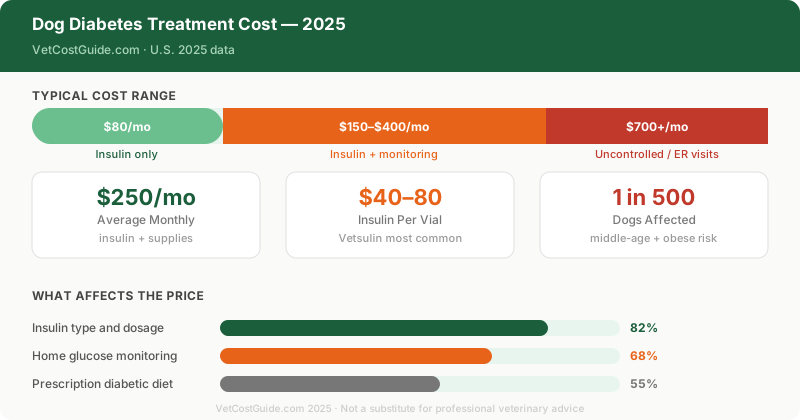
Here’s the honest math: the first year of managing a diabetic dog typically costs $1,800–$5,000 once you factor in the diagnostic workup, initial glucose regulation, equipment setup, and ongoing monthly expenses. After that first year — assuming good regulation is established — most owners spend $150–$400/month on insulin, supplies, and monitoring. Some push $600/month if they’re using continuous glucose monitoring or managing complications.
That’s manageable for most families. But it’s a permanent commitment — diabetes doesn’t go into remission in most dogs, and poor control is a fast track to a $1,500–$5,000 emergency hospitalization.
- Diagnosis and initial regulation: $500–$1,500 (glucose curve hospitalization, baseline bloodwork, urine culture)
- Monthly ongoing costs: $150–$400 for most dogs; up to $600 with advanced monitoring
- Insulin alone runs $25–$120/month depending on type and dog size
- Diabetic ketoacidosis (DKA) hospitalization: $1,500–$5,000 — the cost of missed or unstable control
Full Cost Breakdown
| Item | Monthly Cost | Notes |
|---|---|---|
| Vetsulin / Caninsulin | $40–$80 | FDA-approved porcine insulin for dogs |
| NPH human insulin (off-label) | $25–$50 | Cheaper alternative; discuss with vet first |
| Insulin syringes (U-40) | $15–$30 | Must match Vetsulin — not interchangeable with U-100 |
| At-home glucose meter + strips | $40–$80 | After one-time setup of $70–$150 |
| Prescription diabetic diet | $60–$120 | Hill's w/d or Royal Canin Diabetic |
| In-clinic glucose curve | $100–$300 | Every 1–3 months until stable |
| Annual wellness bloodwork (amortized) | $15–$25 | Ongoing monitoring of organ function |
The Diagnostic Workup
Before the first insulin injection, your vet needs to confirm the diagnosis and rule out underlying causes. A diabetic dog workup typically includes:
Bloodwork and urinalysis ($150–$300): confirms elevated blood glucose, rules out other causes, and screens for concurrent pancreatitis or Cushing’s disease — both common diabetic comorbidities in dogs.
Urine culture ($80–$150): diabetic dogs are highly prone to urinary tract infections, which can severely destabilize glucose control even when they’re producing no obvious symptoms.
Initial glucose curve hospitalization ($200–$400): the dog stays in the clinic for a full day while glucose is measured every 2 hours to determine how insulin is working and at what dose.
That diagnostic phase alone runs $430–$850 before you’ve bought a single vial of insulin.
Insulin Types and What They Cost
Vetsulin (porcine lente insulin) is the only insulin FDA-approved specifically for dogs in the US. It matches dog physiology well. A 10mL vial runs $80–$120 and typically lasts 2–4 months depending on your dog’s size and dose.
NPH insulin (human insulin — Humulin N, Novolin N) is used off-label in dogs and costs significantly less. Novolin N at Walmart pharmacies runs about $25 per vial. Some dogs regulate just as well on NPH. Don’t switch insulin types without veterinary guidance; timing profiles differ and regulation can destabilize quickly.
Critical detail: Vetsulin is U-40 concentration, not U-100 like human insulin. You must use U-40 syringes with Vetsulin — using U-100 syringes dramatically underdoses. This is one of the most dangerous errors new diabetic dog owners make.
Monitoring: The Ongoing Cost That Matters Most
In-clinic glucose curves ($100–$300 per visit) measure blood glucose every 2 hours over 12 hours. Most dogs need these every 1–3 months until well-regulated, then twice yearly for stable patients.
At-home glucose monitoring gives you far more data than 4-times-yearly clinic curves. The AlphaTrak 2 is the most commonly recommended veterinary glucose meter — about $70–$120 upfront, with compatible strips running $40–$80/month. Catching a glucose swing at home at 11pm versus driving to an emergency clinic at midnight is worth every penny of the setup cost.
Continuous glucose monitoring (CGM): some owners use the Libre 3 or similar human CGM sensors held against the dog’s ear or scruff with a bandage. Sensors cost $40–$60 each and last 14 days. Not officially approved for dogs, but many vets support it for motivated owners managing complex cases.
The Neutering Factor
If your dog is an unspayed female, spaying before investing in long-term insulin management is the right move. Progesterone causes insulin resistance, and in roughly 50% of cases, spaying resolves the diabetes entirely. Surgery runs $300–$800, but it may eliminate the need for lifelong insulin. That math is obvious.
Diabetic Ketoacidosis: The Emergency You’re Working to Avoid
DKA happens when the body starts breaking down fat for energy and accumulates acidic ketones — typically in dogs whose diabetes went undiagnosed too long or whose regulation fell apart from illness or missed injections. Hospitalization involves IV fluids, insulin drips, electrolyte correction, and intensive monitoring for 3–5 days. Cost: $1,500–$5,000.
A dog on a consistent insulin regimen, monitored appropriately, rarely develops DKA. The monthly costs of good management are the alternative to this bill.
Never skip insulin without calling your vet first. If your dog doesn’t eat before a scheduled injection, don’t give the full dose on an empty stomach — hypoglycemia risk is real. Most vets recommend giving half dose or skipping entirely if the dog refuses food, but get specific guidance for your dog’s protocol. Don’t guess. One wrong call can send you to an emergency clinic.
Saving Money Without Compromising Control
Use Walmart pharmacy for NPH. Novolin N runs about $25 per vial — a fraction of branded Vetsulin. This requires a vet discussion first to confirm NPH is appropriate for your dog.
Invest in at-home monitoring upfront. The AlphaTrak meter pays for itself within a few months in avoided clinic glucose curves.
Ask about prescription diet alternatives. Hill’s w/d and Royal Canin Diabetic are the standards, but your vet can advise on high-fiber, low-glycemic options if prescription food costs are a strain.
Consider pet insurance now if your dog is newly diagnosed. Once diabetes is diagnosed, it becomes a pre-existing condition. If you have a young dog not yet diagnosed, this is the window.
Frequently Asked Questions
In most dogs, no — it's a lifelong condition requiring daily insulin. The notable exception is intact female dogs. Progesterone from the ovaries causes insulin resistance, and in roughly 50% of unspayed diabetic females, spaying resolves the diabetes completely or dramatically improves control. If your dog is an unspayed female and newly diagnosed, that conversation should happen before you set up a long-term insulin regimen.
Easier than most owners expect. The injections are subcutaneous — just under the skin — using tiny insulin syringes with very short needles. Most dogs don't react at all. Your vet's team will walk you through technique, timing relative to meals, and what to do if your dog doesn't eat before a scheduled injection. Consistency matters more than perfection: same time daily, always with food.
Hypoglycemia is a genuine emergency. Signs include weakness, wobbling, disorientation, seizures, or collapse. If your dog is conscious, rub corn syrup or honey on the gums immediately and get to a vet. If unconscious, go straight to an emergency clinic without delay. Keep corn syrup in your home and know the signs. Hypoglycemia is less common than hyperglycemia in dogs, but when it occurs it moves fast.