Red, goopy, squinting. You’ve seen it before — your dog’s eye looks uncomfortable and you’re wondering if this needs a vet visit or just some saline and waiting.
Here’s the honest answer: most eye issues in dogs need a vet visit. Eye infections can escalate fast, and self-treating with over-the-counter human eye drops can make things worse. A corneal ulcer that’s missed or mistreated can rupture. That’s a $1,500–$3,000 specialist surgery, not a $50 antibiotic drop.
Catch it early, treat correctly, pay less.
- Vet exam for eye issue + fluorescein stain: $60–$130
- Prescription antibiotic eye drops (bacterial conjunctivitis): $20–$60
- Antibiotic + steroid combination drops: $30–$80
- Corneal ulcer management (mild): $100–$300 total
- Corneal ulcer surgical repair (severe/specialist): $1,000–$3,000
- Ophthalmologist consultation: $200–$400
Dog Eye Treatment Cost by Condition
| Condition | Exam + Treatment | Medication Cost | Total Typical Range |
|---|---|---|---|
| Bacterial conjunctivitis | $50–$100 | $20–$60 | $70–$160 |
| Allergic conjunctivitis | $50–$100 | $25–$75 | $75–$175 |
| Superficial corneal ulcer | $75–$150 | $40–$80 | $115–$230 |
| Deep/infected corneal ulcer | $100–$200 | $60–$120 | $300–$800 |
| Keratitis (corneal inflammation) | $100–$200 | $40–$100 | $140–$300 |
| Uveitis (intraocular inflammation) | $100–$250 | $50–$150 | $150–$400 |
| Glaucoma (acute) | $150–$300 | $80–$150/month | $500–$2,000+ ongoing |
| Ophthalmologist consult | $200–$400 | Varies | Add to above |
Understanding What You’re Paying For
The fluorescein stain is the most important $15–$30 test in dog eye care. Your vet applies fluorescein dye — it sticks to exposed corneal stroma if the corneal epithelium is compromised, glowing green under blue light. This identifies corneal ulcers that look identical to conjunctivitis on inspection alone.
Never skip the fluorescein stain on a dog with a squinting or painful eye. The difference in treatment between conjunctivitis and a corneal ulcer is enormous — steroids (appropriate for allergic conjunctivitis) are contraindicated in corneal ulcers and will make them dramatically worse.
Bacterial Conjunctivitis
Classic presentation: mucopurulent (yellow/green) discharge, red conjunctiva, the dog rubbing at the eye. Most commonly caused by Staphylococcus or Streptococcus species.
Treatment: prescription antibiotic eye drops — neomycin-polymyxin B-bacitracin (triple antibiotic ophthalmic), tobramycin, or ciprofloxacin ophthalmic are common choices. Cost: $20–$50/tube. Apply 3–4 times daily for 7–10 days. Most cases resolve completely without complications.
Total cost for straightforward bacterial conjunctivitis: $70–$160 (exam + drops).
Allergic Conjunctivitis
Seasonal or environmental allergies in dogs frequently manifest as eye irritation — watery discharge, mild redness, pawing at the face. Unlike bacterial conjunctivitis, discharge is usually clear.
Treatment may include: antihistamine eye drops (ketotifen ophthalmic — sometimes OTC), cyclosporine (Optimmune) for chronic allergic keratoconjunctivitis ($40–$80/tube for brand, cheaper compounded), or short courses of steroid drops only if corneal ulcer has been ruled out.
Ongoing chronic allergic eye disease may require Optimmune (cyclosporine 0.2% ophthalmic ointment) as a maintenance therapy — $60–$100 per tube, typically used twice daily. This is a real ongoing cost for dogs with significant keratoconjunctivitis sicca (KCS/dry eye) related to immune-mediated disease.
Corneal Ulcers: When Costs Escalate
A corneal ulcer is a defect in the corneal epithelium and potentially deeper layers. Superficial ulcers caused by minor trauma (a twig scratch, cat claw) heal in 5–7 days with appropriate treatment — antibiotic drops ($30–$60), E-collar to prevent self-trauma, and a recheck in 5–7 days. Total cost: $115–$250.
Indolent ulcers (also called Boxer ulcers or spontaneous chronic corneal epithelial defects — SCCEDs) are a different beast. They occur most commonly in Boxers, Corgis, and some other breeds. The epithelium won’t adhere to the underlying stroma. Standard antibiotic treatment fails. These require a specific mechanical debridement procedure — diamond burr debridement or grid keratotomy — performed by your vet or an ophthalmologist. Cost of procedure: $200–$500.
Deep infected ulcers are emergencies. Bacterial infection in the corneal stroma can progress to descemetocele (only Descemet’s membrane remaining) or perforation within hours. Treatment requires aggressive topical antibiotics (sometimes every 1–2 hours initially), antifungals if fungal is suspected, possible serum eye drops, and often referral to an ophthalmologist. Surgical repair of a perforated cornea (corneoconjunctival transposition or corneal grafting) costs $1,500–$3,000 at a specialty center.
Do not use over-the-counter Visine, human allergy eye drops, or topical steroid eye drops (like prednisolone ophthalmic) without veterinary examination. Steroid eye drops in a dog with a corneal ulcer accelerate corneal melting and can cause perforation. The eye looks the same whether it’s ulcerated or not without a fluorescein test. Always get a diagnosis before applying any eye medication.
Breed Risk for Chronic Eye Problems
Brachycephalic breeds — Pugs, French Bulldogs, English Bulldogs, Shih Tzus, Pekingese — have structural anatomy that predisposes them to chronic eye problems. Their shallow orbits and prominent eyes make corneal exposure, injury, and ulceration far more common than in other breeds. Many brachycephalic owners find themselves making multiple eye vet visits annually.
If you own one of these breeds, budgeting $200–$500/year for eye-related care is prudent.
When to Go to an Ophthalmologist
General practice vets handle most eye infections competently. Refer to an ophthalmologist (Diplomate ACVO) for:
- Any ulcer that hasn’t healed in 10–14 days
- Suspected indolent ulcer
- Uveitis (inflammation inside the eye — can indicate systemic disease)
- Glaucoma diagnosis and management
- Cataract surgery consultation
- Any rapidly worsening or painful eye that isn’t responding to treatment
The American College of Veterinary Ophthalmologists (ACVO) maintains a specialist directory at acvo.org. Specialist consultation: $200–$400 initial visit, $100–$200 for follow-ups.
Frequently Asked Questions
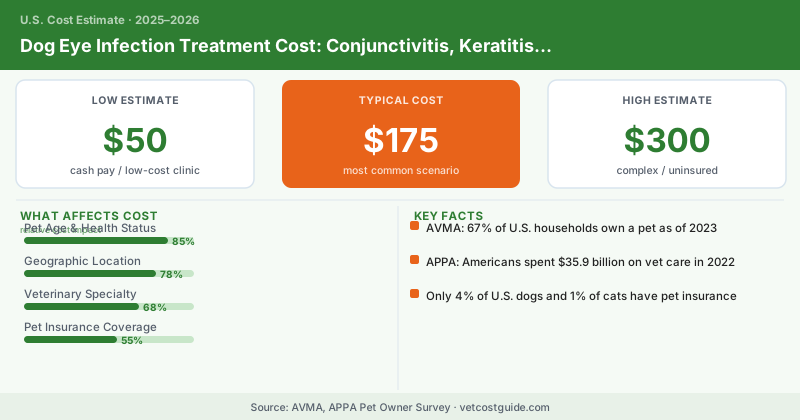
Most uncomplicated eye infections cost $50–$300 for the initial vet visit and treatment, while prescription eye drops alone range from $20–$80. More serious cases like corneal ulcers or those requiring specialist care can run $500–$2,000 or higher, depending on the underlying condition and whether imaging or surgery is needed.
Many pet insurance plans cover eye infections as they are accidents or illnesses, though you typically pay the vet upfront and get reimbursed 70–90% after your deductible. However, some policies exclude hereditary eye conditions or pre-existing issues, so check your specific plan before your vet visit.
You should schedule a vet visit within 24–48 hours of noticing symptoms like redness, discharge, or squinting, as eye infections can worsen rapidly and lead to corneal ulcers or vision loss. Do not use over-the-counter human eye drops, as these can actually make dog eye infections worse and delay proper treatment.