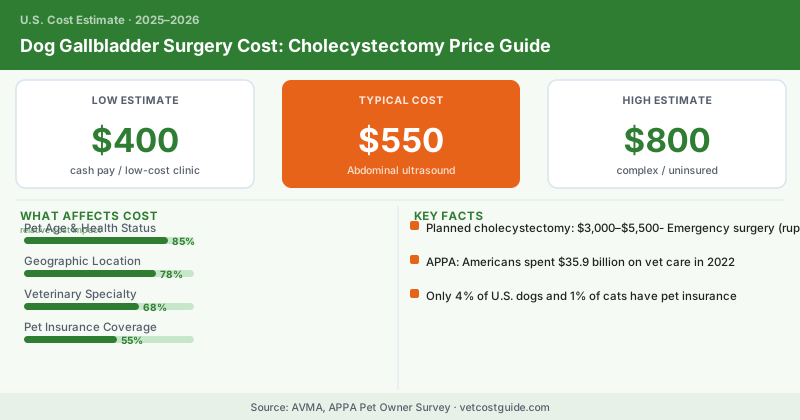
Most owners have never heard of a gallbladder mucocele until an ultrasound finds one. Then they learn two things in the same breath: their dog needs surgery, and it’ll cost as much as a used car. A cholecystectomy — surgical removal of the gallbladder — runs $3,000 to $8,000 in most U.S. specialty hospitals, and emergencies where the gallbladder has already ruptured push toward the top of that range fast.
It’s one of the more serious abdominal surgeries a dog can face, and the price reflects both the complexity and the specialist who usually performs it.
- Planned cholecystectomy: $3,000–$5,500
- Emergency surgery (ruptured mucocele): $5,000–$8,000+
- Diagnostic workup before surgery (ultrasound, labs): $600–$1,200
- A gallbladder mucocele — a buildup of thick, immobile bile — is the most common reason dogs need this surgery
- According to the American College of Veterinary Surgeons, survival rates after gallbladder surgery exceed 80% in stable patients but drop sharply once rupture and bile peritonitis set in
- Shetland Sheepdogs, Cocker Spaniels, and Miniature Schnauzers are overrepresented
Full Cost Breakdown for Gallbladder Removal
| Item | Low | High | Typical |
|---|---|---|---|
| Abdominal ultrasound | $400 | $800 | $550 |
| Pre-op blood work + clotting panel | $200 | $500 | $300 |
| Surgery (cholecystectomy) | $2000 | $5000 | $3200 |
| Anesthesia + monitoring | $500 | $1200 | $800 |
| Hospitalization (2–5 days) | $600 | $2500 | $1400 |
| Biopsy / histopathology | $150 | $400 | $250 |
| Post-op meds + rechecks | $150 | $500 | $300 |
| Emergency surcharge (if ruptured) | $1000 | $3000 | $1800 |
Why It’s So Expensive
The gallbladder sits tucked against the liver, and removing it means carefully dissecting it away without nicking liver tissue or the bile duct. This is delicate, time-consuming work, almost always done by a board-certified surgeon. Add the cost of an dog ultrasound to diagnose the problem, several days of hospitalization, and round-the-clock monitoring, and you can see how the total climbs.
There’s also the unpredictability. A planned surgery on a stable dog is one thing. A dog that arrives at the dog emergency vet with a ruptured gallbladder and bile leaking into the abdomen is a critical patient requiring aggressive support — that’s where bills cross $7,000.
Planned vs. Emergency: The $3,000 Difference
Here’s the part worth understanding. A mucocele caught early on routine bloodwork or imaging can be removed on a scheduled basis when your dog is stable. That’s the cheaper, safer scenario. Wait until your dog is vomiting, jaundiced, and in shock from a rupture, and you’re now paying for emergency surgery, intensive care, and a much harder recovery.
This is why vets recommend acting on a mucocele diagnosis promptly rather than “watching it.” The math and the survival odds both favor early action.
How Owners Pay for It
A $6,000 surgery is out of reach for many families overnight. The most common ways owners manage it:
- Pet insurance — if you had a policy before the diagnosis, this is exactly the kind of catastrophic bill it’s built for. See how reimbursement works in our pet insurance how it works guide
- CareCredit for vet bills — medical financing that many specialty hospitals accept on the spot
- Specialty hospital payment plans — some offer in-house financing for established clients
If you don’t yet have coverage, our breakdown of pet insurance cost per month shows how a $40–$60 monthly premium can offset a five-figure surgery. The math is sobering once you’ve seen a pet emergency surgery cost estimate in person.
Signs You Shouldn’t Ignore
Gallbladder disease is sneaky early on. Watch for vomiting, decreased appetite, abdominal pain, lethargy, or yellowing of the gums and eyes. Bloodwork showing elevated liver enzymes often comes first, prompting the ultrasound that finds the mucocele.
If your dog is a high-risk breed, mention it to your vet — proactive screening can catch a mucocele while surgery is still elective and your dog is still stable. That single decision is often the difference between a $3,500 bill and an $8,000 one.
Frequently Asked Questions
Cholecystectomy (gallbladder removal) typically costs $3,000–$8,000 at U.S. specialty hospitals, with most routine cases falling between $4,000–$6,000. Emergency surgeries where the gallbladder has already ruptured often exceed $6,000 due to additional complications, hospitalization, and intensive care requirements.
Most comprehensive pet insurance plans cover cholecystectomy if the gallbladder mucocele is considered an accident or illness (not a pre-existing condition), typically covering 70–90% of costs after your deductible. However, coverage varies by insurer and plan—some policies exclude abdominal surgeries or have breed-specific exclusions, so you should verify your policy details before surgery.
Most dogs recover within 10–14 days, though full healing takes 4–6 weeks; you'll need to restrict activity, use a cone to prevent incision licking, and follow post-operative medication instructions carefully. Complications like bile peritonitis (if rupture occurred before surgery) can extend recovery significantly and may require extended hospitalization beyond the initial 1–3 day surgical stay.