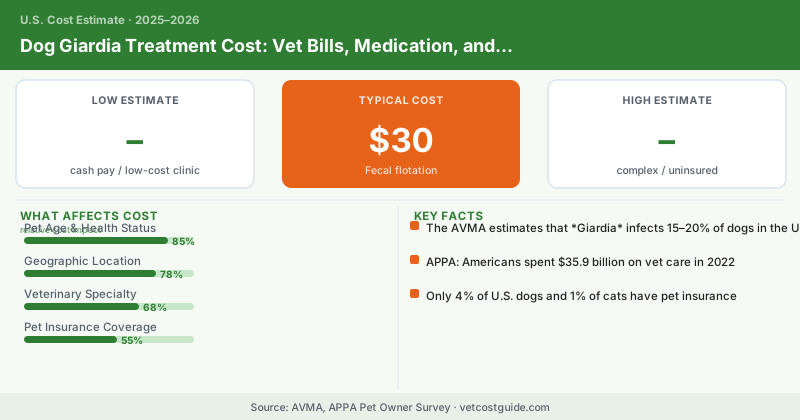
The AVMA estimates that Giardia infects 15–20% of dogs in the United States, making it one of the most common intestinal parasites vets deal with — and yet it’s consistently underdiagnosed because owners assume soft stools or intermittent diarrhea is “just something he ate.” Giardia doesn’t always announce itself dramatically.
Treating it is usually straightforward and affordable. A typical case — vet exam, fecal test, and a 5-day medication course — runs $100–$300. The complexity (and cost) goes up when infection is chronic, treatment-resistant, or spreading through a multi-dog household.
What Is Giardia?
Giardia duodenalis is a single-celled protozoan parasite that attaches to the small intestine wall and interferes with nutrient absorption. Dogs pick it up by ingesting contaminated water, food, soil, or feces — sniffing or drinking from a contaminated puddle, stream, or dog park water bowl is the most common route.
Not all infected dogs get sick. Healthy adult dogs often carry the parasite and shed cysts in their stool without showing symptoms. Puppies, senior dogs, and immunocompromised animals are most likely to develop noticeable illness.
Symptoms, when they appear, include:
- Soft, greasy-looking diarrhea (sometimes with mucus or a greenish tint)
- Flatulence
- Weight loss despite eating normally
- Intermittent vomiting
- Generally looking a bit “off” without other obvious cause
- Vet exam: $75–$200
- Standard fecal flotation test: $30–$60
- SNAP giardia antigen test (faster, more sensitive): $40–$80
- Fecal PCR test (most sensitive): $60–$150
- Metronidazole (5–7 day course): $20–$50
- Fenbendazole (Panacur, 3–5 day course): $20–$60
- Combination therapy: $40–$100
- Follow-up fecal recheck: $30–$60
How Vets Diagnose Giardia
Standard fecal flotation — the fecal test most vets run as part of a routine wellness visit — misses a significant percentage of giardia infections. The parasite cysts don’t always distribute evenly in the stool sample, and the test requires the right concentration solution to detect them.
That’s why the SNAP giardia antigen test has largely replaced fecal flotation as the preferred first-line diagnostic for suspected giardia. It detects giardia proteins in stool rather than looking for cysts under a microscope, making it more sensitive. Cost: $40–$80, and results come back in the same appointment.
For dogs with chronic or recurring infection, fecal PCR testing is the most accurate option — it detects giardia DNA directly. PCR costs $60–$150 and is usually sent to an outside lab, with results in 24–72 hours.
| Test | Cost | Sensitivity | Turnaround |
|---|---|---|---|
| Fecal flotation | $30–$60 | Moderate | Same day |
| SNAP antigen test | $40–$80 | High | 15 minutes |
| Fecal PCR | $60–$150 | Very high | 1–3 days |
Treatment Options and Costs
Two medications treat giardia in dogs: metronidazole (Flagyl) and fenbendazole (Panacur). They’re sometimes used together for stubborn infections.
Metronidazole is the most commonly prescribed. A 5-day course for a medium-sized dog typically costs $20–$50 at a vet pharmacy. It has antiprotozoal and anti-inflammatory effects on the intestinal lining, which helps with the diarrhea even as it kills the parasite. Side effects are generally mild — occasional nausea, vomiting, or drooling.
Fenbendazole (Panacur) is given for 3–5 days and is very well-tolerated. Cost: $20–$60 depending on the dog’s weight and the number of treatment days needed. It’s also effective against several other intestinal worms, which can be a bonus if the dog has a mixed infection.
Combination therapy — metronidazole + fenbendazole simultaneously — is often used for dogs that don’t clear the infection on a single drug, or as first-line treatment in puppies where rapid resolution is important. Combined cost: $40–$100.
A small percentage of cases are genuinely treatment-resistant. If two treatment courses don’t produce negative recheck fecals, your vet may consider tinidazole (a nitroimidazole related to metronidazole, less commonly prescribed), albendazole (off-label, higher side effect profile), or referral to an internal medicine specialist.
Giardia can spread to humans, though it’s not common. The assemblages (genetic subtypes) that infect dogs most often differ from the ones that infect people, but zoonotic transmission has been documented. Wash your hands after handling dog feces, dispose of waste promptly, and don’t let an infected dog drink from communal water bowls. Immunocompromised individuals in the household should be particularly careful.
The Environment Problem
Here’s a cost item many owners don’t anticipate: environmental decontamination. Giardia cysts shed in feces and can survive in moist environments for weeks to months. Dogs can re-infect themselves by sniffing contaminated ground in the yard or licking their paws after walking through a contaminated area.
Effective environmental decontamination includes:
- Immediately picking up all feces during treatment
- Cleaning kennel and sleeping areas with dilute bleach (1:32 ratio) or quaternary ammonium disinfectants effective against protozoa
- Bathing the dog at the end of treatment to remove any cysts from the coat (especially around the hind end)
- Avoiding the same contaminated outdoor area for at least 2–4 weeks
Environmental decontamination supplies: $20–$60.
Multi-Dog Households
If one dog tests positive for giardia, assume exposure among all dogs in the household. Most vets recommend testing (or empirically treating) all dogs simultaneously — otherwise treated dogs frequently get re-infected by untreated housemates.
For a two-dog household:
- Two exams: $150–$400
- Two fecal tests: $60–$160
- Two medication courses: $40–$100
- Total: $250–$660
For three or more dogs or kennel environments, some vets may offer a slightly reduced per-dog fee if all animals are presented together.
Follow-Up Testing
A recheck fecal test 2–4 weeks after completing treatment confirms the infection has cleared. This runs $30–$60 and is important — dogs can appear clinically normal but still be shedding cysts and re-infecting themselves or housemates. Some vets recommend two consecutive negative fecals before declaring the dog clear.
Total Cost Scenarios
| Scenario | Estimated Total Cost |
|---|---|
| Single dog, mild infection, antigen test + metronidazole | $150–$300 |
| Single dog, chronic infection, PCR + combination therapy + 2 rechecks | $250–$500 |
| Multi-dog household (2 dogs, simultaneous treatment) | $300–$700 |
| Puppies with severe dehydration requiring supportive care | $400–$900 |
Prevention
- Don’t let your dog drink from puddles, ponds, streams, or communal water sources at parks (bring your own water)
- Clean water bowls daily with hot soapy water
- Pick up feces immediately in the yard
- Annual fecal testing at wellness visits helps catch asymptomatic infections early
Prevention costs essentially nothing — but catching and treating giardia before it becomes chronic can save hundreds in repeat vet visits and multiple treatment rounds.
Frequently Asked Questions
A typical giardia case costs $100–$400 total, which includes the vet exam ($50–$100), fecal test ($25–$50), and a 5-day course of medication like metronidazole ($25–$250 depending on dog size and medication type). Chronic infections or treating multiple dogs in the same household may push costs toward $500–$800.
Most pet insurance plans cover giardia diagnosis and treatment as they are considered illness claims rather than preventive care, though you'll typically pay out-of-pocket upfront and submit for reimbursement. Deductibles ($250–$500) and co-pays (10–20% coinsurance) apply, so your actual out-of-pocket cost may be $50–$300 depending on your plan.
Most dogs receive a 5–7 day course of oral medication (typically metronidazole or fenbendazole), with improvement in symptoms seen within 2–4 days. Your dog can resume normal activity immediately, but follow-up fecal testing 2–4 weeks after treatment completion (an additional $25–$50) is recommended to confirm the infection is cleared, especially in multi-dog households.