“Your dog has diabetes” lands like a gut punch, and the second thought is usually about money. Twice-daily insulin shots for the rest of your dog’s life sounds expensive, and it can be. But the actual numbers are often more manageable than owners fear, especially once you know which insulin you’re dealing with.
Let’s lay out what dog insulin costs, why the type matters so much, and where you can trim the bill.
What Dog Insulin Costs Per Month
The biggest price driver is which insulin your vet prescribes. Vetsulin is the FDA-approved veterinary product, while many vets also use human insulins like NPH or glargine off-label, which can be cheaper or pricier depending on the brand.
| Insulin Type | Cost Per Vial | Lasts (Avg Dog) | Monthly Cost |
|---|---|---|---|
| Vetsulin (10 mL) | $55-$80 | 4-8 weeks | $40-$75 |
| NPH human insulin | $30-$60 | 4-8 weeks | $25-$55 |
| Glargine (Lantus) | $90-$300 | 6-10 weeks | $45-$150 |
| ProZinc | $70-$110 | 4-8 weeks | $50-$90 |
How long a vial lasts depends on your dog’s dose and size. A small dog on a tiny dose can stretch a vial well past a month, which cuts the per-month figure.
The Hidden Costs Beyond the Vial
Insulin itself is only part of the bill. Plan for:
- Syringes: $15-$40 a month, depending on brand and where you buy.
- Glucose monitoring: Periodic curves at the clinic run $75-$200 each, and most dogs need several in the first months.
- Recheck visits: Budget for these as you dial in the dose.
The FDA Center for Veterinary Medicine notes that canine diabetes requires careful dose titration, which is why those early monitoring costs front-load the first year.
How to Cut Insulin Costs
You’ve got real options here:
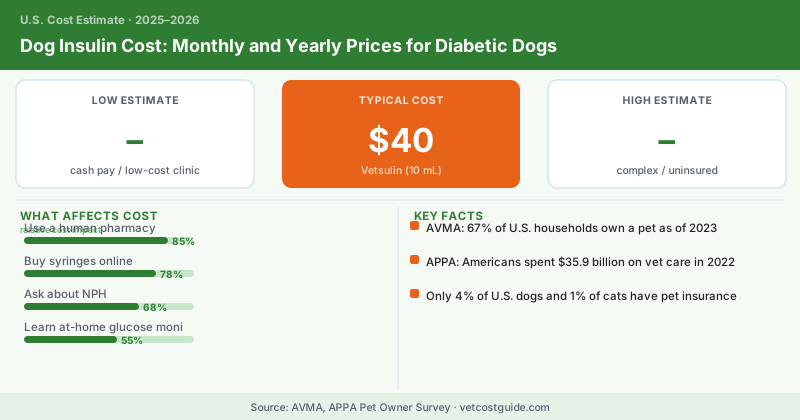
- Use a human pharmacy. Many human insulins are filled at regular pharmacies, sometimes with discount cards like GoodRx, far cheaper than the vet’s office.
- Buy syringes online. Box quantities of 100 cost a fraction of buying them at the clinic.
- Ask about NPH. It’s often the budget-friendly off-label choice when appropriate.
- Learn at-home glucose monitoring. A home glucometer cuts repeat clinic curve fees over time.
- Dog insulin runs $25-$150 a month depending on type, plus $15-$40 for syringes.
- The first year costs more because of repeated glucose monitoring and dose adjustments.
- Human insulins filled at a regular pharmacy can be much cheaper than veterinary products.
- At-home glucose monitoring reduces ongoing clinic recheck fees.
Insulin Is Just One Line in the Diabetes Budget
Diet, monitoring, and rechecks all stack on top. The full annual cost of managing a diabetic dog usually runs higher than insulin alone, and our guide to dog diabetes treatment costs walks through every piece.
Never switch insulin types, brands, or concentrations without your vet’s guidance. U-40 and U-100 insulins use different syringes, and mixing them up causes dangerous overdoses or underdoses. A dosing error with insulin can be life-threatening, so consistency matters more than saving a few dollars.
Insurance, Financing, and Aid
Because diabetes is lifelong, the costs are predictable, which actually helps with planning. A dog enrolled in coverage before diagnosis may have insulin partly covered, so it’s worth weighing whether pet insurance is worth it for a younger dog.
If your dog’s already diabetic and uninsured, CareCredit for vet bills helps with big monitoring bills, and free vet care programs plus your local cheap vet alternatives can ease the load.
The Bottom Line
Insulin for a diabetic dog costs $25-$150 a month plus syringes, with extra monitoring expenses front-loaded into year one. Filling human insulins at a regular pharmacy and learning home glucose checks are the two biggest money-savers. With a steady routine, plenty of diabetic dogs live full, happy lives without bankrupting their owners.
Frequently Asked Questions
Dog insulin typically costs $40 to $150 per month depending on the type and dose, which breaks down to roughly $480 to $1,800 annually for insulin alone. The specific cost depends on whether your vet prescribes human insulin (usually cheaper at $40-$60/month) or veterinary-specific formulations like Vetsulin or Lantus (typically $80-$150/month).
Most pet insurance plans cover insulin and diabetes management, but many have pre-existing condition exclusions that prevent coverage if diabetes developed before the policy started. You should expect to pay 10-30% out-of-pocket after your deductible ($250-$1,000) and co-insurance, even with coverage.
Most diabetic dogs require insulin injections twice daily, typically given 12 hours apart with meals, for the rest of their lives. Some dogs may achieve remission with diet changes and weight loss within 3-6 months, eliminating the need for insulin, though this happens in only 10-20% of cases.