Here’s a fact most dog owners don’t know: leptospirosis is a zoonotic disease — meaning it can pass from your dog to you. The CDC reports that leptospirosis causes more than 1 million severe infections globally each year, with dogs serving as a significant reservoir in urban and suburban environments. When your dog picks it up from a puddle, creek, or wildlife urine, the treatment bill runs $1,500–$5,000. And that’s before you consider the risk to your own household.
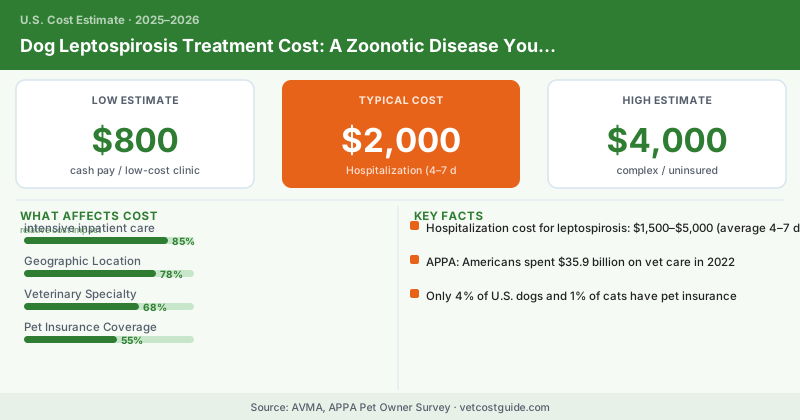
- Hospitalization cost for leptospirosis: $1,500–$5,000 (average 4–7 days inpatient)
- Antibiotic course (outpatient mild cases): $200–$500
- Kidney or liver failure complications push costs to $5,000–$10,000+
- The lepto vaccine costs $25–$50 and is widely available — far cheaper than treatment
- AVMA confirmed a 75% increase in reported canine leptospirosis cases between 2015 and 2022, driven by urban wildlife contact
- Leptospirosis is reportable in many states due to its zoonotic risk — your vet is required to notify public health authorities
Leptospirosis Treatment Cost Breakdown
| Service | Low | Average | High |
|---|---|---|---|
| Emergency exam + bloodwork | $200 | $400 | $700 |
| Urine PCR + leptospirosis titer | $150 | $250 | $450 |
| IV fluids + IV antibiotics (per day) | $200 | $400 | $700 |
| Hospitalization (4–7 days total) | $800 | $2,000 | $4,000 |
| Kidney support medications | $100 | $200 | $400 |
| Dialysis (if acute kidney injury severe) | $1,500 | $3,000 | $6,000 |
| Oral antibiotic course post-discharge | $80 | $150 | $300 |
| Follow-up exam + bloodwork (2 weeks) | $150 | $250 | $400 |
| Total mild-to-moderate case | $1,000 | $2,500 | $4,500 |
| Total severe with kidney failure | $4,000 | $7,000 | $12,000 |
Why This Disease Gets Expensive Fast
Leptospirosis is a bacterial infection (Leptospira spp.) that attacks the kidneys and liver. Most dogs need intensive inpatient care because:
- Oral antibiotics alone aren’t enough for systemic infection — IV doxycycline or penicillin-class antibiotics are required initially
- Kidney function can deteriorate rapidly; IV fluids must be continuously titrated
- Dogs shed bacteria in their urine for weeks — isolation protocols in the clinic add to staffing costs
- Liver damage requires monitoring for coagulopathy (blood clotting problems)
The window between “sick but manageable” and “acute kidney failure” can be 24–48 hours. Dogs presented early — before kidney values spike — recover in 4–7 days at a total cost of $1,500–$3,000. Dogs presented late often need dialysis, which pushes costs into the $5,000–$12,000 range.
How Dogs Get Leptospirosis
Urban and suburban dogs are increasingly at risk. AVMA research points to contact with:
- Standing water, puddles, ponds, rivers — especially after rain
- Wildlife urine (raccoons, rats, squirrels, deer)
- Wet soil in parks, yards, greenbelts
- Other dogs at dog parks or boarding facilities
Rural dogs hunting or swimming in farm ponds face elevated risk too. You don’t need to be hiking in the wilderness — a post-rain puddle in a suburban park is sufficient.
The Kidney Failure Complication
Acute kidney injury (AKI) is the main killer in untreated or late-presenting lepto. When creatinine and BUN values spike, your dog may need:
- Hemodialysis or peritoneal dialysis: $1,500–$3,000/session, typically 3–5 sessions
- ICU monitoring: $500–$800/day
- Erythropoietin and phosphorus binders: $100–$200/month if chronic kidney disease follows
Some dogs develop chronic kidney disease after surviving acute leptospirosis — meaning ongoing monthly costs of $150–$400 for the rest of their life.
Prevention Costs Almost Nothing Compared to Treatment
The 4-way leptospirosis vaccine (L4) covers the four most common Leptospira serovars seen in North America. It costs:
- Initial series (2 shots, 3–4 weeks apart): $50–$100 total
- Annual booster: $25–$50
That’s it. The AVMA and AAHA recommend lepto vaccination for all dogs with any potential wildlife or water exposure. Even dogs in urban apartments can encounter infected puddles or rodents. The math is simple: $50/year in prevention versus $2,500+ in treatment.
Leptospirosis is a public health concern. If your dog is diagnosed, use gloves when handling their urine, bedding, or cleaning up accidents. Wash hands thoroughly. The CDC recommends notifying household members and consulting a physician if any human in the home shows flu-like symptoms (fever, headache, muscle aches, vomiting) within 2–30 days of the dog’s diagnosis.
Does Pet Insurance Cover Leptospirosis?
Yes — leptospirosis is an illness, not a hereditary condition, so all comprehensive policies cover it once waiting periods clear. With a $500 deductible and 80% reimbursement, your out-of-pocket on a $2,500 case would be about $900. On a severe $7,000 case, you’d owe around $1,800. Insurance makes a significant difference here.
What to Do If You Suspect Lepto
Call your vet immediately if your dog shows:
- Sudden fever and lethargy
- Vomiting and refusing food
- Increased thirst and urination followed by decreased urination
- Muscle pain, reluctance to move
- Yellow tinge to gums or eyes (jaundice)
Tell the vet about any recent water exposure or wildlife contact. Same-day bloodwork with kidney and liver values is the first priority. Early antibiotics — started before full lab confirmation — can dramatically change the outcome.
The Bottom Line
Leptospirosis treatment costs $1,500–$5,000 for most cases, with severe kidney complications pushing bills to $10,000+. A $50 annual vaccine makes this almost entirely preventable. If your dog spends any time outdoors near water, wildlife areas, or dog parks, lepto vaccination is one of the most cost-effective decisions in pet ownership.
Frequently Asked Questions
Hospitalization for leptospirosis typically costs $1,500–$5,000, depending on severity, length of stay, and your location. Additional costs may include diagnostic testing ($200–$500), antibiotics ($100–$300), and follow-up care, pushing total expenses toward $6,000 or higher in severe cases.
Most pet insurance plans cover leptospirosis treatment if your policy includes hospitalization and illness coverage, typically reimbursing 70–90% of costs after your deductible. However, some insurers exclude or limit coverage for vaccine-preventable diseases, so review your policy details before assuming coverage.
Hospitalization typically lasts 5–7 days for acute leptospirosis, with IV fluids and antibiotics as standard treatment. Seek emergency veterinary care immediately if your dog shows signs of fever, vomiting, lethargy, or kidney dysfunction, as early treatment significantly improves outcomes and reduces the $1,500–$5,000 cost range.